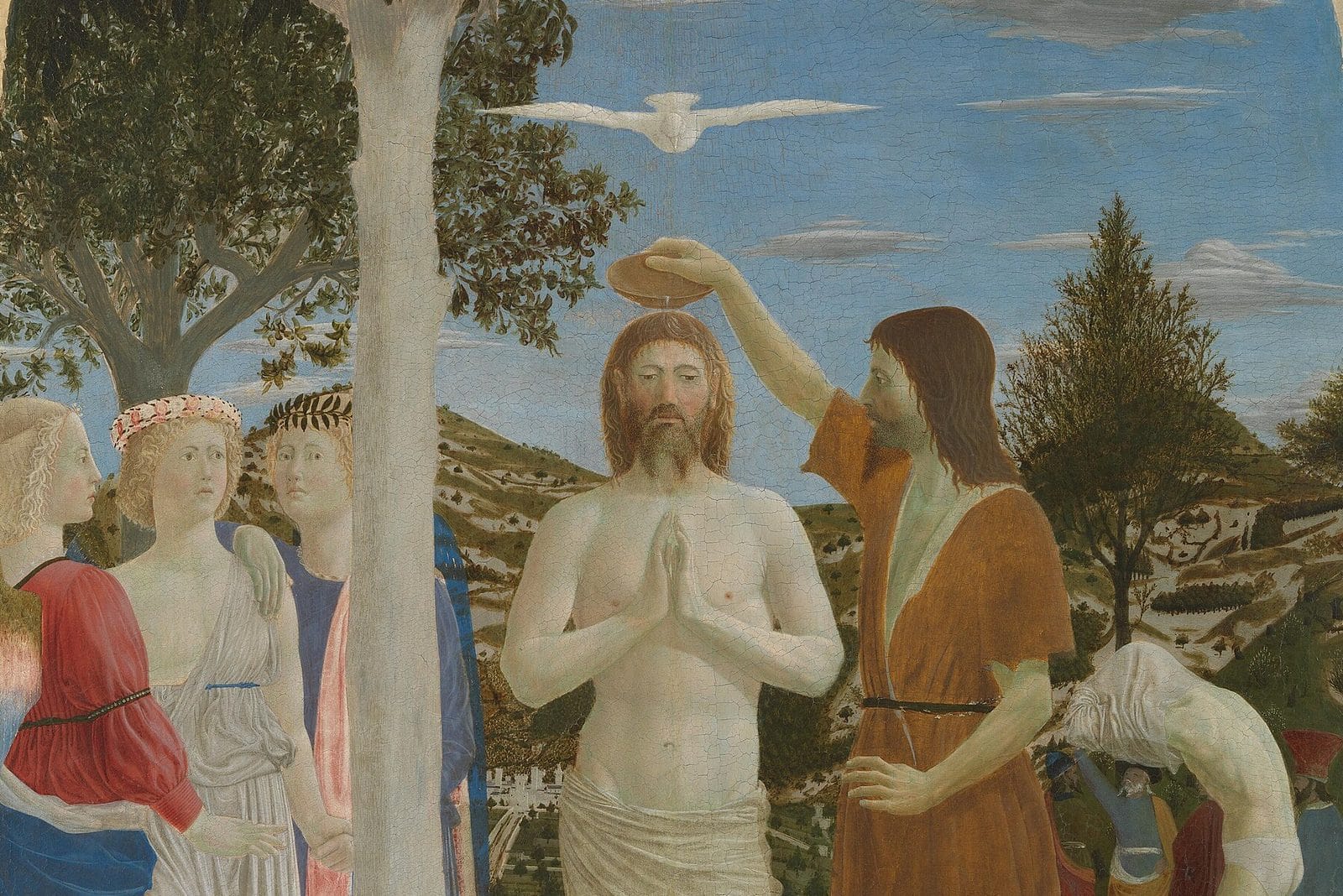
Baptism
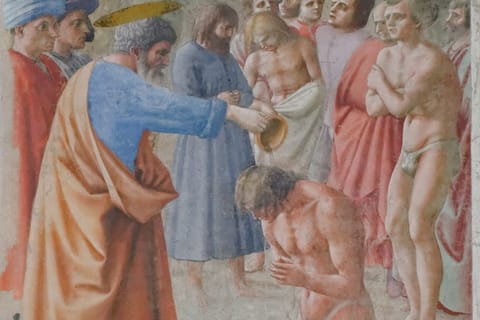
Christians should be baptized, the ordinary way into Christ’s church, and God’s grace also reaches beyond the font, as Jesus’ promise to the thief shows.
Baptism, Holy Communion, the creeds, and the churches themselves: what Lutherans, Presbyterians, Methodists, and Episcopalians teach, and how they differ from Catholic, Orthodox, and evangelical Christians.
Christians should be baptized, the ordinary way into Christ’s church, and God’s grace also reaches beyond the font, as Jesus’ promise to the thief shows.
Christians have met on Sundays since the first century to pray, hear Scripture, and share Communion, and the church welcomes back all who have been away.
Catholics and Protestants share the Trinity, Christ, and the creeds. They differ on Scripture and tradition, the pope, sacraments, and Mary and the saints.
Catholics and Orthodox were one church until the Great Schism of 1054. They differ over the pope and the filioque but share bishops, sacraments, and Mary.
The Apostles’ Creed is the ancient baptismal creed of the Western church, said at baptisms and in daily prayer by most Protestant churches.
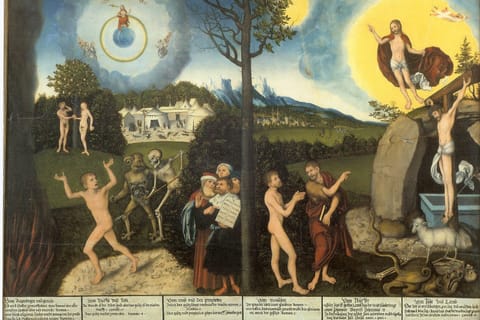
Lutherans believe God saves people by grace alone, through faith in Christ. They confess the ancient creeds and the Augsburg Confession of 1530.
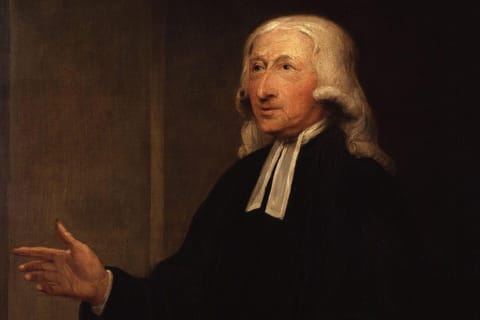
Methodists believe God’s grace reaches every person, forgives sinners through faith in Christ, and makes them holy in love, as John Wesley taught.
Episcopalians hold the faith of the creeds, read Scripture with tradition and reason, worship from the Book of Common Prayer, and are led by bishops.
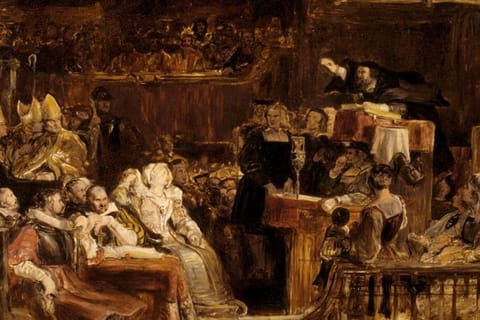
Presbyterians believe in the sovereign grace of God, the authority of Scripture, and church government by elders, as taught by John Calvin and John Knox.
Latter-day Saints call themselves Christians and honor Jesus, but their view of God departs from the Nicene Creed, so other churches rebaptize them.
The Episcopal and Catholic churches share creeds, bishops, and sacraments. Episcopalians reject papal authority, ordain women, and allow married priests.
Methodists, Lutherans, Presbyterians, and Episcopalians baptize infants and adults by pouring or immersion, only once, and accept other churches’ baptisms.
Methodists, Lutherans, Presbyterians, and Episcopalians teach that Christ is truly present in Communion and welcome Christians from other churches.
Mainline churches are the historic American Protestant denominations, such as the ELCA, the PC(USA), the United Methodist Church, and the Episcopal Church.
Christians honor Mary as the mother of Jesus, and the creeds confess Christ born of the Virgin. Churches differ on her later life and on praying to her.
Christians may leave a congregation for good reasons. Leave with grace, give church hurt time to heal, and look for a healthy church to call home.
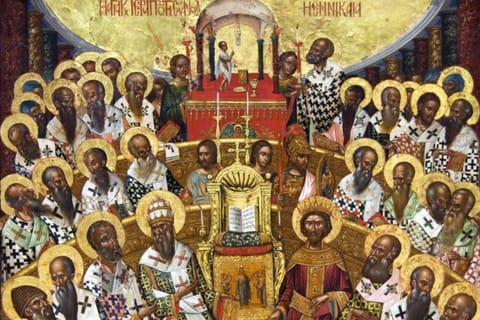
The Nicene Creed is the statement of faith from the Councils of Nicaea (325) and Constantinople (381), confessing one God: Father, Son, and Holy Spirit.
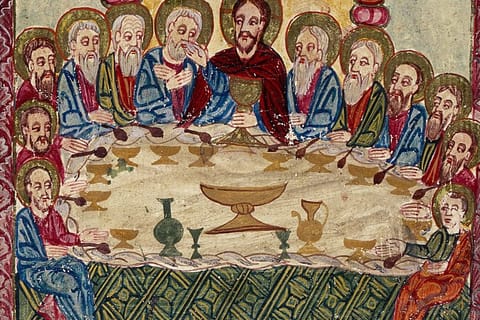
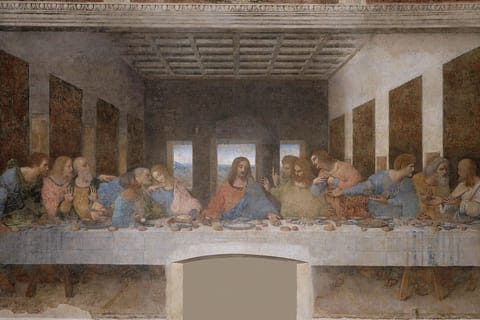
Holy Communion is the meal Jesus gave the church at the Last Supper. Most churches teach that Christ is truly present in it and received by faith.
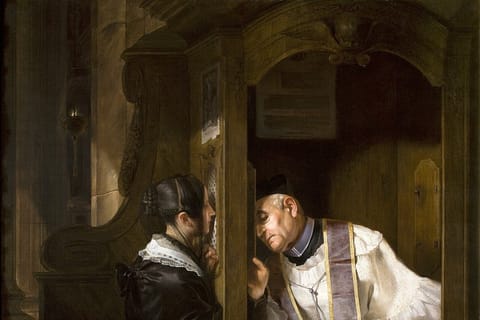
Confession to a priest is not required in the mainline churches. You can confess directly to God, and private confession is there for those who want it.
People with disabilities bear God's image and belong fully to Christ's body. Jesus rejected blaming disability on sin, and the risen Christ bore wounds.
Bonhoeffer, King, Romero, Tutu, Pauli Murray, Dorothy Day, and other modern Christians the churches remember as saints and witnesses to Christ.
Operation Reformation, first called Operation Reconquista, wants young conservatives to retake the mainline churches. The doors were already open.

.jpg)