Hell and the mercy of God
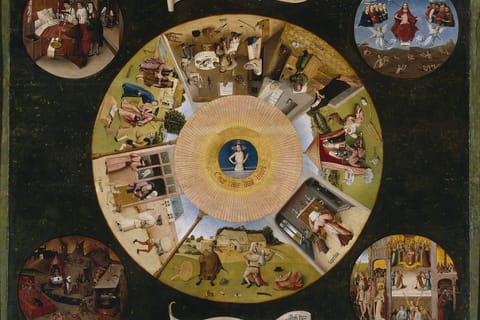
Many Christians hold that God’s love rules out eternal torment, and read hell as the Bible’s picture-language for judgment on wrongdoing.
Sin, grace, forgiveness, death, and the life to come, from Scripture and from the long Christian hope, held by teachers from Gregory of Nyssa to C. S. Lewis, that God's love has the last word.
Many Christians hold that God’s love rules out eternal torment, and read hell as the Bible’s picture-language for judgment on wrongdoing.
Most mainline theologians hold that Christ’s saving love reaches far beyond the church, because God “desires all people to be saved” (1 Timothy 2:4).
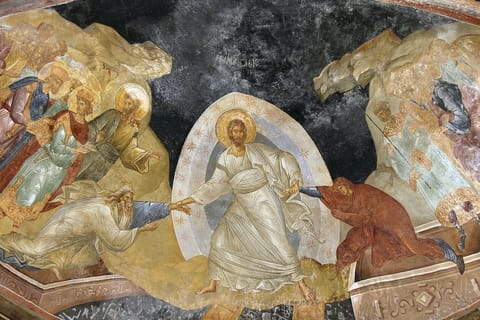
Christians hope that those who die are with Christ, and that God will one day raise the dead. Scripture is sure of the hope and modest about details.
Churches disagree on losing salvation: some say true believers always persevere, others that one can turn away. All agree God receives anyone who returns.
The unforgivable sin, blasphemy against the Holy Spirit, is calling God’s healing work evil and refusing mercy. A heart that fears it still longs for God.
Scripture does not say whether pets go to heaven, but it gives grounds for hope: God saves “humans and animals alike” and will set the whole creation free.
Christians hope to see their loved ones again in heaven. Paul comforted mourners with that hope; Scripture is sure of it but says little about details.
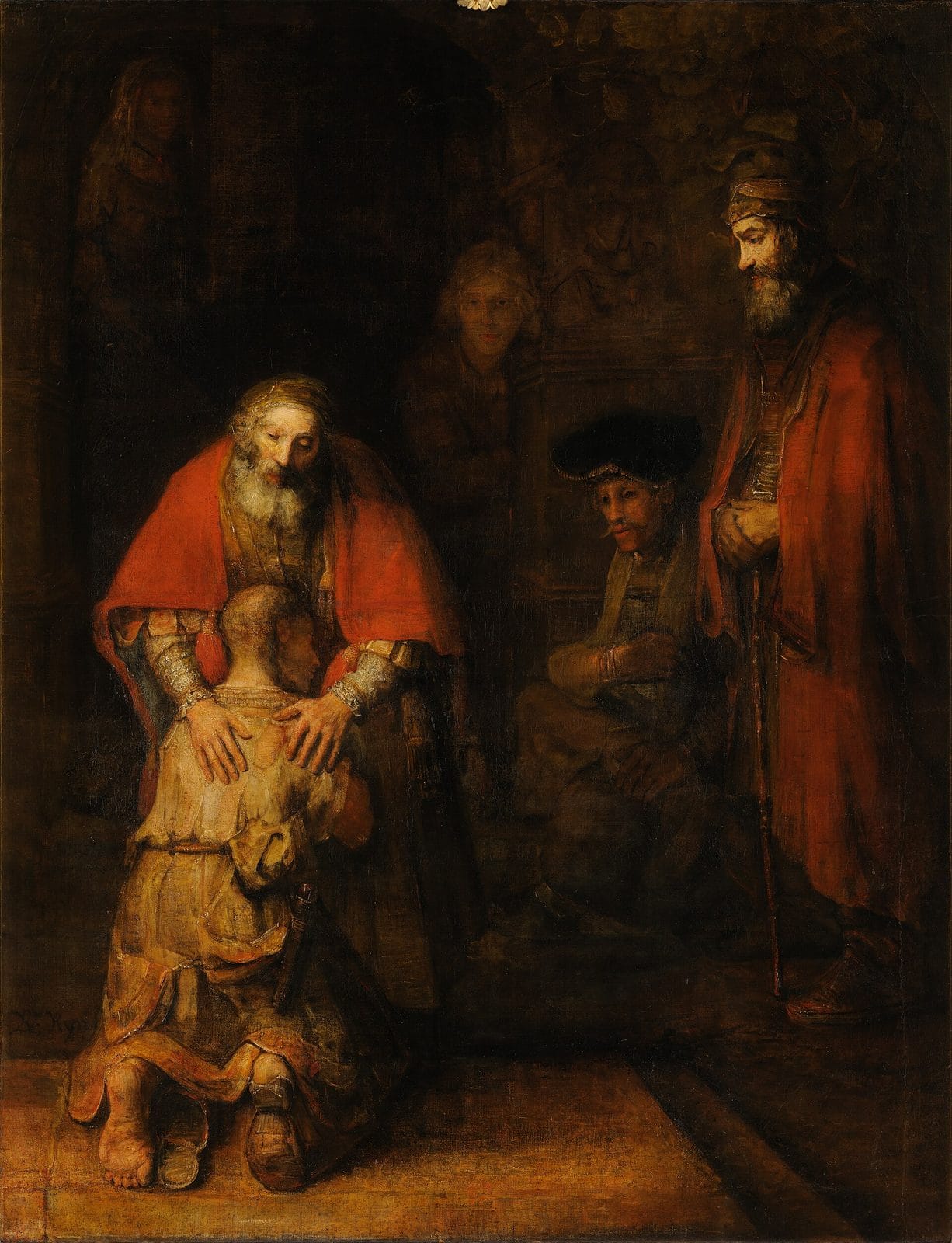
God will forgive you if you turn to God and ask. “If we confess our sins, he who is faithful and just will forgive us our sins” (1 John 1:9).
Christians confess Jesus as the only way to God. Many trust that his saving love reaches further than the church, to people who never learned his name.
You become a Christian by turning to Jesus in trust: pray, read a Gospel such as Mark or Luke, find a church, and be baptized. No special words are needed.
Many churches teach that Jews, Christians, and Muslims worship the one God of Abraham while understanding God differently, above all on the Trinity.
Christians hope for Christ’s return. A secret rapture before a tribulation is a reading first spread in the 1830s, and most historic churches do not teach it.
Christians are saved by grace through faith, and real faith bears fruit in works of love, as Lutheran, Methodist, Anglican, and Reformed churches affirm.
The Bible speaks of God choosing people in Christ. The mainline churches teach that God chooses people for life and wills all people to be saved.
Scripture pictures heaven as life with God: a feast, a city, a renewed creation with no more death or tears. At its heart is knowing and loving God.
To be saved is to be rescued and made whole by God through Jesus Christ: freed from sin and death and brought into eternal life, which begins now.
The mainline churches confess Christ’s judgment and eternal life with God. Some older confessions teach endless punishment; recent statements stress grace.
Purgatory is not named in the Bible. Catholics cite 2 Maccabees 12 and 1 Corinthians 3:15. Orthodox and Anglicans reject it but pray for the dead.
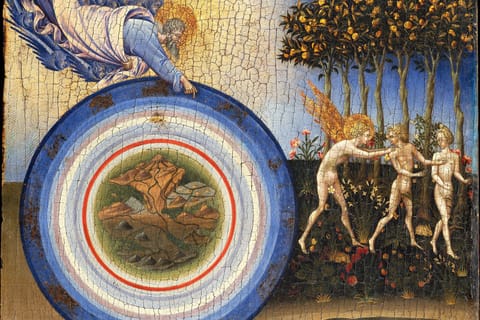
Sin is turning away from God and from love. The Bible’s main words for it, Hebrew chata and Greek hamartia, mean missing the mark.
Original sin is the Christian teaching that every person is born into a condition of sin and needs God’s grace. Churches explain how in different ways.