
Abortion and the churches
The Bible never mentions abortion. Mainline churches value unborn life and support legal abortion in some cases; many other Christians oppose all abortion.
What the Law, the prophets, and Jesus teach about immigrants, the poor, war, and race, and how the mainline churches have acted on the command to love your neighbor as yourself.
The Bible never mentions abortion. Mainline churches value unborn life and support legal abortion in some cases; many other Christians oppose all abortion.
Christian nationalism fuses Christian and national identity. Mainline church leaders reject it while honoring love of country and public service.
The mainline churches treat abortion as a grave moral decision and support legal access in at least some cases, while differing on where limits belong.
The United Methodist Church, the ELCA, the PC(USA), and the Episcopal Church all oppose the death penalty and call for its abolition.
The United Methodist Church, the ELCA, the PC(USA), and the Episcopal Church all call Christians to welcome immigrants and refugees as neighbors.
The earth is the Lord’s, and the Bible calls people to tend and keep it. Mainline churches teach that caring for creation and the climate is part of faith.
Jesus told Peter to put away his sword, and the prophets foresaw swords beaten into plowshares. Mainline churches grieve gun violence and work to end it.
Christians are called to seek the good of their city, pray for leaders, and vote by conscience. Mainline churches encourage nonpartisan civic engagement.
Mainline churches affirm God’s lasting covenant with the Jewish people, honor Palestinians’ dignity, and pray and work for peace and security for both.
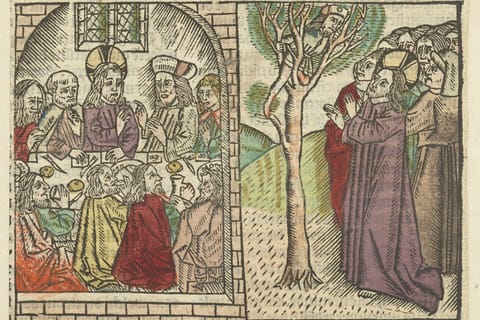
In Scripture, repentance includes repair: Zacchaeus repaid fourfold. Mainline churches have apologized for slavery, and some have set up repair funds.
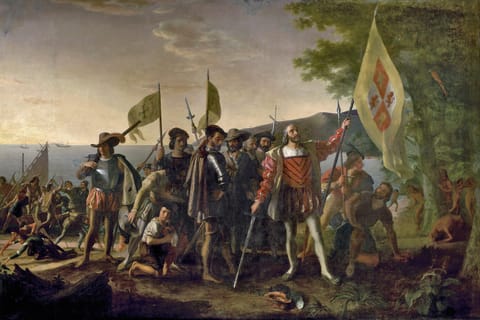
The Doctrine of Discovery held that Christian rulers could claim non-Christian lands. Mainline churches have repudiated it and seek reconciliation.
Jesus counted visiting a prisoner as visiting him. Scripture calls Christians to remember prisoners, seek justice for victims, and hope for restoration.
Jesus said the greatest commandment is to love God with all your heart, soul, and mind, and the second is to love your neighbor as yourself.
The Bible commands God's people to love the immigrant as themselves (Leviticus 19:34), to give them equal justice, and to welcome the stranger as Christ.
Scripture treats wealth as God's gift held in trust. Christians may prosper, and they are called to be generous, pay fair wages, and share so none lack.
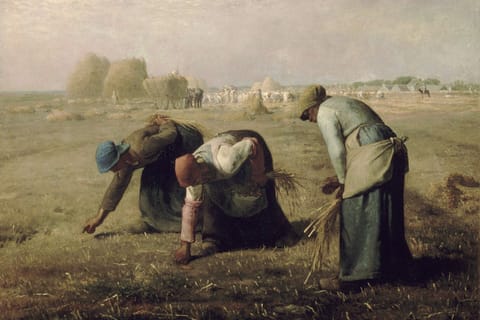
The Bible says God defends the poor, commands his people to share with them, and warns the rich. Jesus says what we do for the poor we do for him.
The social gospel and liberation theology read the good news of Jesus as good news for the poor and whole societies, as Rauschenbusch and Gutiérrez taught.
The New Testament calls Christians to generous, proportional, cheerful giving. Many mainline churches hold up the tithe, a tenth, as a goal to grow toward.
The law of Moses prescribed death for murder but limited revenge. Jesus taught mercy, and the major mainline churches now oppose executions.
Most churches teach that killing in self-defense or a just war is not murder, though always grave. A strong Christian tradition of pacifism disagrees.
The Bible teaches that every person bears God's image and that all peoples come from one ancestor. In Christ there is no partiality, and racism is a sin.