What the mainline churches teach
The mainline churches are the historic Protestant denominations of the United States. Chief among them are the Evangelical Lutheran Church in America (ELCA), the Presbyterian Church (U.S.A.), the United Methodist Church, and the Episcopal Church, joined by American Baptist Churches USA, the Christian Church (Disciples of Christ), and the United Church of Christ. You can read about each of these churches, and find a congregation near you, on the churches page.
Mainline Christian is an independent website and does not speak for any church. The summary below names the church or historic teacher behind each position and notes where the mainline churches differ. For the history of the name, see what is mainline Protestantism?
God and the creeds
The mainline churches confess one God, Father, Son, and Holy Spirit. The First Letter of John gives the shortest description of that God:
God is love, and he who remains in love remains in God, and God remains in him.
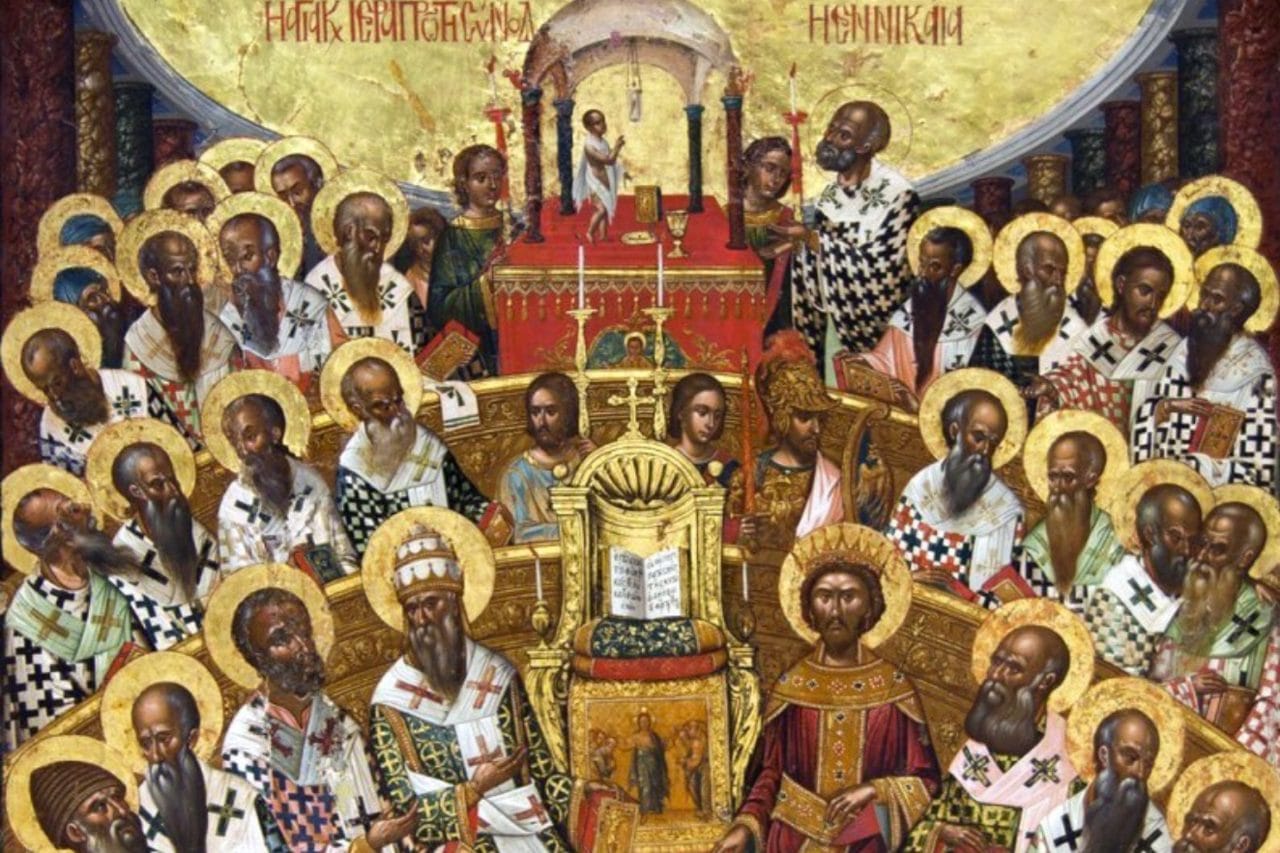
The Nicene Creed, completed at the Council of Constantinople in 381, states the faith these churches share with the Eastern Orthodox churches and the rest of the worldwide church. It begins, “We believe in one God, the Father, the Almighty.” The Lutheran Book of Concord and the Presbyterian Book of Confessions both begin with the ancient creeds, the United Methodist Church affirms the Apostles’ and Nicene Creeds, and the Episcopal Church says the Nicene Creed at the Eucharist every Sunday. The Disciples of Christ and the United Church of Christ do not use creeds as tests of membership. See what is the Nicene Creed? and what is the Trinity?
Scripture
The mainline churches receive the Old and New Testaments as the Word of God, inspired by the Holy Spirit. The ELCA accepts them “as the inspired Word of God and the authoritative source and norm of its proclamation, faith, and life.” Presbyterian ministers and elders are asked whether they accept the Scriptures as, “by the Holy Spirit, the unique and authoritative witness to Jesus Christ.” The United Methodist Church calls Scripture “the primary source and standard for Christian doctrine.”
These churches read the Bible with the tools of historical scholarship and by a rule that goes back to Augustine. In On Christian Teaching (1.36.40), Augustine wrote that anyone whose reading of Scripture does not build up the twofold love of God and neighbor has not yet understood it. See should we read the Bible as literal fact? and who wrote the Bible?
Jesus, the cross, and the resurrection
The Nicene Creed confesses Jesus Christ as “true God from true God,” who “for us and for our salvation” became human, was crucified, and rose again. Athanasius of Alexandria, the fourth-century bishop who defended the creed, summed up why: Christ “was made man that we might be made God” (On the Incarnation 54). Eastern Orthodox Christians call this theosis: salvation as healing and union with God, which Christ opened to humanity by sharing our life and death and rising from the dead.
Paul handed on the oldest summary of this faith: “that Christ died for our sins according to the Scriptures, that he was buried, that he was raised on the third day” (1 Corinthians 15:3–4). Mainline Christians understand the resurrection in different ways; some hold it as a bodily event, and others hold it as true in a sense deeper than the literal. See who is Jesus?, why did Jesus die on the cross?, and did Jesus rise from the dead?
Salvation and the hope that God’s love has the last word
The churches of the Reformation teach that people are saved by God’s grace, received through faith, and not earned by good works. The ELCA puts it plainly: “There is no one for whom Jesus Christ did not die.”
Scripture says that God “desires all people to be saved and come to full knowledge of the truth” (1 Timothy 2:4). Many mainline theologians hold that the rule of love, Augustine’s principle that a true reading of Scripture builds up love of God and neighbor, rules out eternal torment: the God who is love (1 John 4:8) would not torment anyone forever. They read hell as the Bible’s picture-language for judgment on wrongdoing rather than as a place where God punishes people without end. That language answers the human need for justice in a world with so much evil. In the Book of Revelation the martyrs cry out, “How long, Master, the holy and true, until you judge and avenge our blood” (Revelation 6:10), and the promise of judgment says that God hears them.
The hope that God will be “all in all” (1 Corinthians 15:28) has been strong in the Christian East. Gregory of Nyssa hoped that every soul would finally be restored to God. Isaac the Syrian, a seventh-century bishop, taught that the pain of Gehenna is God’s love itself, felt as suffering by those who turn against it, and hoped that even that pain would end. The Easter sermon of John Chrysostom, read in Orthodox churches every year, says of hell, “it was overthrown.” Many Christians believe in eternal punishment, out of reverence for Jesus’s warnings, and the mainline churches leave the final outcome to God’s mercy. See is hell real?, what does it mean to be saved?, and do non-Christians go to hell?
Baptism and the Eucharist
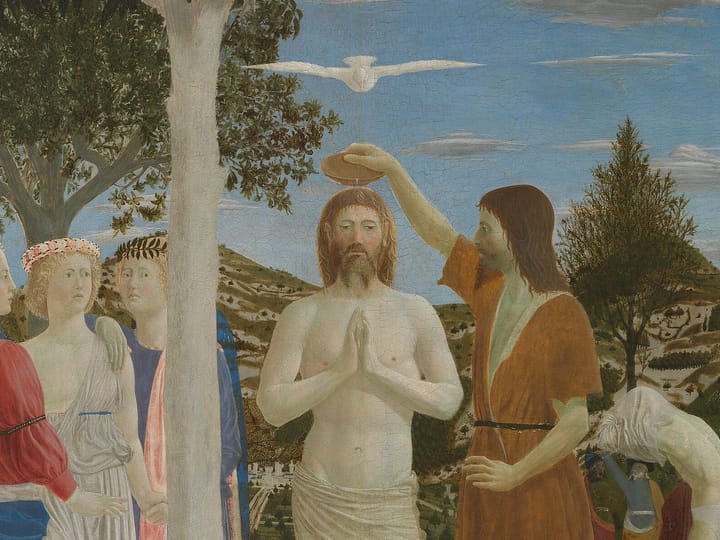
All the mainline churches celebrate Baptism and Holy Communion as the two sacraments Christ gave his church. Lutherans, Presbyterians, Methodists, and Episcopalians baptize infants as well as adults. American Baptists and the Disciples of Christ baptize people who choose for themselves to follow Christ.
The Augsburg Confession of 1530 teaches that in the Lord’s Supper “the Body and Blood of Christ are truly present.” The Episcopal Church invites all baptized Christians to receive Communion, and the United Methodist liturgy invites “all who love him, who earnestly repent of their sin, and seek to live in peace with one another.” See what is Communion?
Women and LGBTQ+ Christians in the ministry
The mainline churches ordain women. The Presbyterian Church ordained its first woman minister, Margaret Towner, in 1956, the same year the Methodist Church granted women full clergy rights. The Lutheran churches that formed the ELCA began ordaining women in 1970, and in 1976 the Episcopal Church opened the ordination of bishops, priests, and deacons to women. Many point to Paul’s words that “there is neither male nor female; for you are all one in Christ Jesus” (Galatians 3:28). See can women be pastors?
The ELCA, the Presbyterian Church (U.S.A.), the United Methodist Church, and the Episcopal Church ordain gay and lesbian Christians and permit their clergy to marry same-sex couples. In each of them, no member of the clergy is required to officiate at a wedding against conscience. American Baptist Churches USA has no churchwide policy affirming same-sex marriage, and its congregations differ on the question. Some who disagreed have left to form other churches, such as the Global Methodist Church. See is it a sin to be gay? and can same-sex couples get married in church?
Justice and the neighbor
Jesus said that all the Law and the Prophets hang on two commandments, to love God and to love your neighbor as yourself (Matthew 22:37–40). The prophet Micah asked, “What does the LORD require of you, but to act justly, to love mercy, and to walk humbly with your God?” (Micah 6:8).
At baptism, United Methodists promise to “resist evil, injustice, and oppression in whatever forms they present themselves,” and Episcopalians promise to “strive for justice and peace among all people, and respect the dignity of every human being.” The law of Moses commands Israel to love the immigrant: “The stranger who lives as a foreigner with you shall be to you as the native-born among you, and you shall love him as yourself; for you lived as foreigners in the land of Egypt” (Leviticus 19:34). See what is the greatest commandment?, what does the Bible say about the poor?, and what does the Bible say about immigrants?
What sets the mainline churches apart
The mainline churches share the creeds, Baptism, Holy Communion, and the Bible with Orthodox, Catholic, and evangelical Christians. What marks them out is a set of commitments they hold together. They are governed by assemblies in which lay people and clergy decide together. They ordain women, and most of them welcome LGBTQ+ Christians into marriage and ordained ministry. They read Scripture with the tools of historical scholarship. And they recognize one another’s sacraments and clergy: the ELCA has been in full communion with the PC(USA) since 1997, with the Episcopal Church since 2001, and with the United Methodist Church since 2009. See the difference between Catholics and Protestants and what is mainline Protestantism?
Evangelical churches, such as the Southern Baptist Convention, stress a personal decision to follow Christ, and many hold that the Bible is without error in everything it says. The Southern Baptist statement of faith limits the office of pastor to men, and most evangelical churches teach that same-sex relationships are sinful. Evangelicals hold these convictions out of reverence for Scripture. The mainline churches share their faith in Christ but read Scripture together with tradition, reason, and modern scholarship.