Tattoos and Christian faith
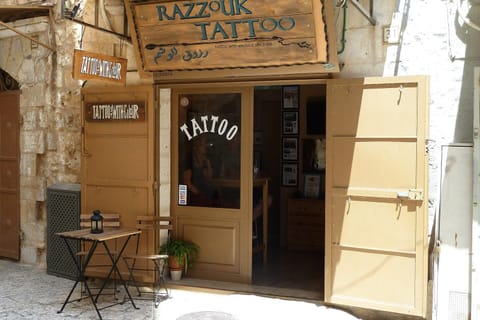
Christians are free to get tattoos, and many wear crosses as signs of faith. Leviticus 19:28 belongs to holiness laws the apostles did not lay on Gentiles.
Tattoos, alcohol, swearing, gambling, Halloween, and the other ordinary choices of daily life, read in the light of Christian freedom and the love of neighbor.
Christians are free to get tattoos, and many wear crosses as signs of faith. Leviticus 19:28 belongs to holiness laws the apostles did not lay on Gentiles.
Christians are free to choose cremation. The Bible never forbids it, God raises the dead however they were laid to rest, and most churches now accept it.
Scripture calls wine a gift of God, and Jesus shared it with friends; it warns against drunkenness. Abstaining is also faithful, especially in recovery.
Some cursing is a sin. Scripture forbids misusing God’s name, cursing people, and speech that tears others down. Crude words are a lesser fault.
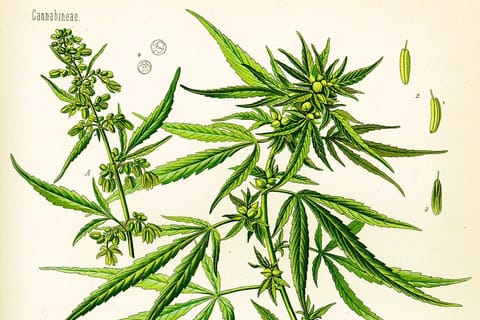
The Bible never mentions marijuana. Using it illegally is wrong, and getting high works against Scripture’s call to a clear mind. Medical use is different.
Christians can eat pork. Leviticus forbade it to Israel, but Mark says Jesus “declared all foods clean,” and the apostles freed Gentiles from food laws.
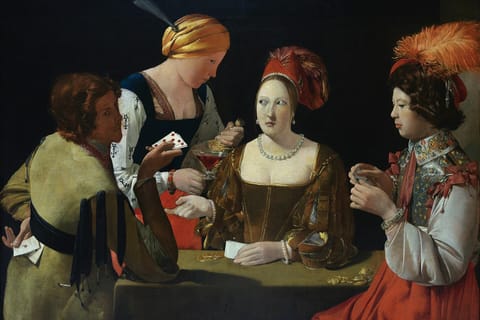
No verse forbids gambling, and Scripture calls Christians to contentment and freedom from the love of money. Greed, harm, and addiction make it a sin.
Christians can celebrate Halloween, All Hallows’ Eve, the night before All Saints’ Day, and enjoy costumes and candy while avoiding real occult practices.
Christians can listen to secular music, watch movies, and play games. Paul taught Christian freedom, and the church has long borrowed from secular art.
Christians meet AI knowing every person bears the image of God. Mainline churches welcome human inventiveness and ask for wisdom and care for others.
Christians can do yoga. Stretching, breathing, and holding postures are exercise, and Paul taught Christian freedom here. Skip any chants you object to.