How to pray
To pray, begin with the Lord’s Prayer, speak from the heart, give thanks, ask for others and yourself, and listen. The Psalms give you words too.
How to pray, how to forgive, and how the church keeps time through Advent, Christmas, Lent, Easter, and Pentecost.
To pray, begin with the Lord’s Prayer, speak from the heart, give thanks, ask for others and yourself, and listen. The Psalms give you words too.
God guides people gently, through prayer, Scripture, and the counsel of others. God’s will for everyone is already known: justice, mercy, and humility.
Christians fast to turn toward God in prayer and repentance and to share with the hungry. Many keep Ash Wednesday and Good Friday as fast days.
Christians worship on Sunday because Jesus rose from the dead on the first day of the week. The Sabbath is Saturday, and its gift of rest still matters.
Christmas is the feast of Jesus’ birth, kept since the fourth century. Scholars debate whether December 25 came from Christian reckoning or a sun festival.
Advent is the four-week season before Christmas when churches prepare for the coming of Christ. In 2026 it begins on Sunday, November 29.
The church year retells the life of Christ in seasons: Advent, Christmas, Epiphany, Lent, Holy Week, Easter, Pentecost, and the season after Pentecost.
Easter, the resurrection feast, grew from Passover and is called Pascha in most languages. Only its English and German names may come from a goddess.
Jesus calls his followers to forgive. Forgiveness does not mean excusing, forgetting, reconciling, or staying near someone dangerous. It takes time.
You can experience God in prayer, Scripture, worship, silence, creation, and love of neighbor. Here are practical steps to begin this week.
Jesus prayed for the cup to pass, and it did not. The most faithful people in Scripture knew unanswered prayer, and God heard them and gave them grace.
God rested on the seventh day and gave the Sabbath as a gift of rest and freedom. Jesus invites the weary to rest, and Christians still keep Sabbath today.
Lent is the forty-day season of prayer, fasting, and repentance before Easter. It begins on Ash Wednesday, and its six Sundays are not counted.
Contemplative prayer rests in God’s presence with few words or none. Learn lectio divina, centering prayer, the Jesus Prayer, and how to begin.
Christian mysticism is the life of prayer in which a person comes to know God by experience and grows into union with God in Christ.
Hesychasm is the Orthodox tradition of prayer in stillness. Its center is the Jesus Prayer: Lord Jesus Christ, Son of God, have mercy on me, a sinner.
Scripture calls Christians to give thanks in everything. Gratitude answers God’s goodness, shapes the Eucharist, and overflows into generosity.
Julian of Norwich was a fourteenth-century English anchoress whose visions of Christ taught her that God’s love will make all things well.
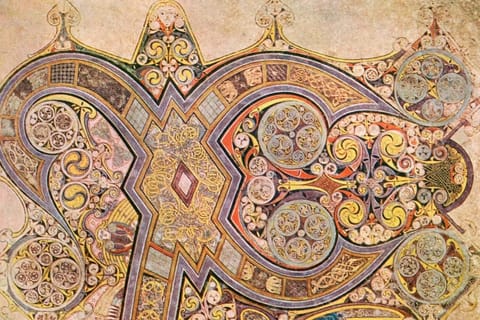
Celtic Christianity is the faith of the early saints of Ireland and Britain, such as Patrick, Brigid, and Columba, known for prayer woven into daily life.
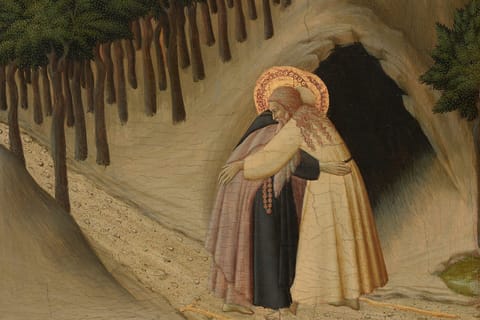
The Desert Fathers and Mothers were early Christians who went to pray in the deserts of Egypt, Palestine, and Syria. Their sayings still guide Christians.
Spiritual direction is a regular conversation with a trained companion who helps you notice God’s presence in your life and grow in prayer.
When you are too tired to pray, the Holy Spirit prays for you. A few words, a psalm, the Lord’s Prayer, or sleep offered to God are prayer enough.
Taizé prayer is meditative worship from an ecumenical community in France: short chants sung many times, Scripture, silence, and prayers for the world.
Christian hospitality welcomes others, especially strangers, as Christ welcomes us. Scripture, the saints, and the churches see Christ in every guest.