The Bible as the Word of God
The Bible is true in what it teaches about God and salvation. The mainline churches receive it as the inspired Word of God, through which God still speaks.
Who wrote the Bible, how Christians have read it for two thousand years, and how the mainline churches read its hardest passages with the help of history and the rule of love.
The Bible is true in what it teaches about God and salvation. The mainline churches receive it as the inspired Word of God, through which God still speaks.
The Bible is a holy text, not a literal history book. Paul read Sarah and Hagar as an allegory, and Christians have long read Scripture for its spiritual sense.
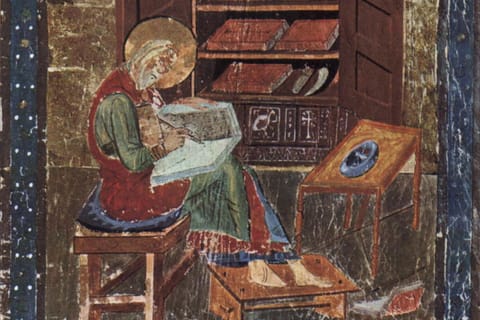
Many human authors wrote the Bible over centuries: prophets, priests, scribes, poets, apostles, editors. Christians confess that God inspired them.
Christians can believe in evolution. Methodist, Presbyterian, and Episcopal statements call it compatible with faith in God as Creator.
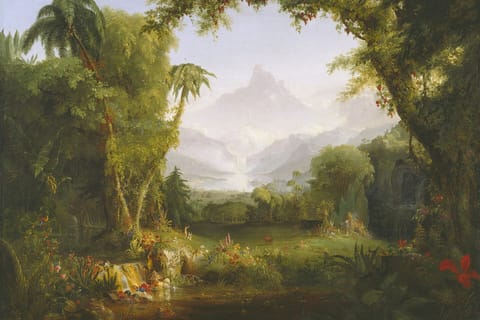
Adam and Eve were probably not the only first humans. Mainline churches do not require belief in a historical Adam; many read them as figures for everyone.
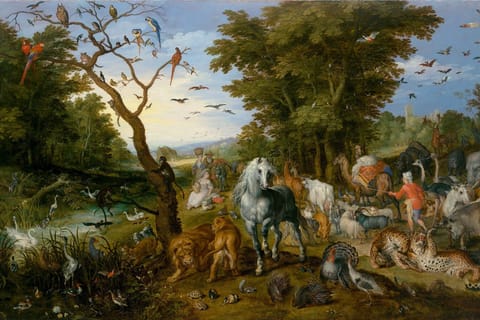
Noah’s flood is a holy story of God’s grief, mercy, and promise. Geologists find no sign of a worldwide flood, and Christians read it in different ways.
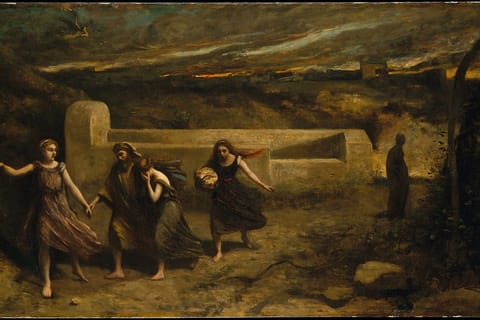
The Bible remembers Sodom for cruelty: Genesis shows a city trying to rape strangers, and Ezekiel says it had plenty but did not aid the poor and needy.
For study, the NRSV Updated Edition (NRSVUE) is accurate and ecumenical. For easy reading, try the CEB or NLT. The KJV remains the classic for beauty.
The Old Testament tells of an ancient people in a violent age, in the language of ancient war. Christians read its hardest texts in light of Christ.
The Bible regulates slavery and never abolishes it, but its story of God freeing slaves led Christians to condemn it. The churches now call slavery a sin.
The Bible contains conflicting details, such as who killed Goliath and how Judas died. The church kept both texts and hears God speak through them.
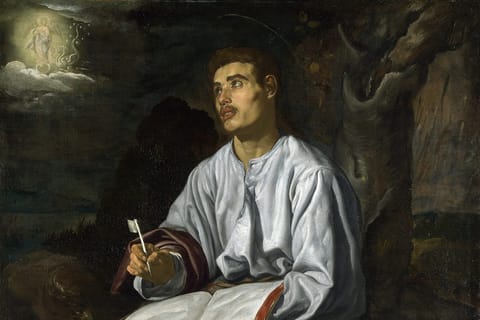
Revelation is a vision sent by a prophet named John to churches under Rome: God and the slain Lamb reign over history, and God will make all things new.
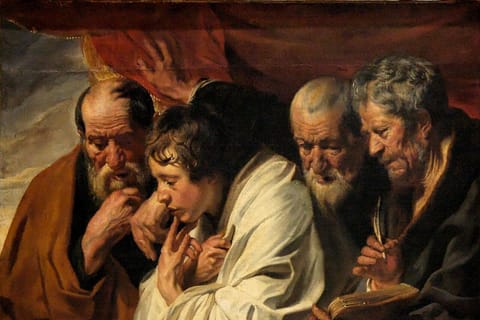
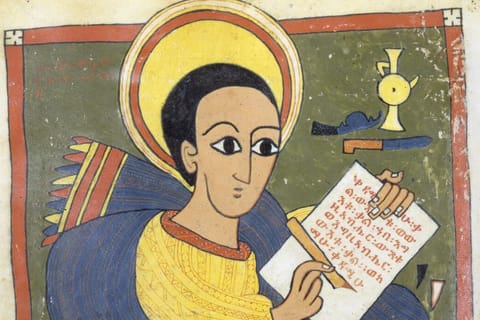
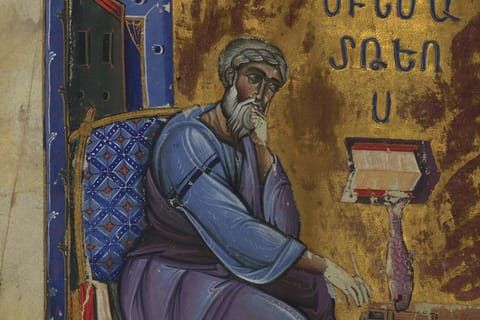
The four Gospels are anonymous. By the second century the church named them Matthew, Mark, Luke, and John. Most scholars date them from about 70 to 100 CE.
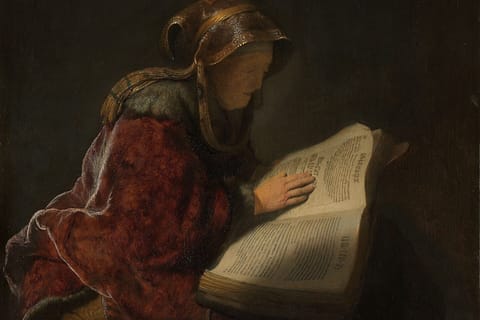
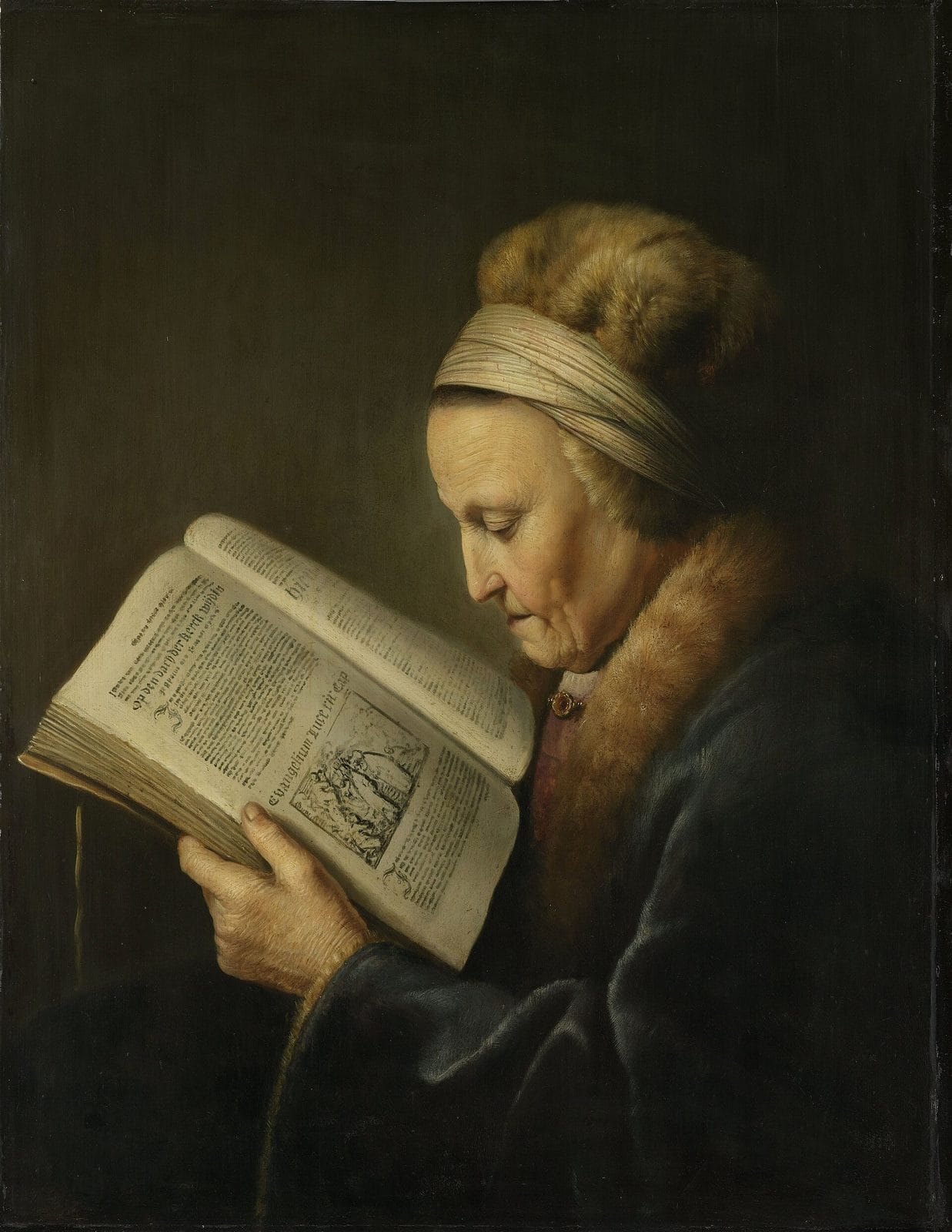
The best place to start reading the Bible is a Gospel, such as Mark or Luke. Then read Acts, pray the Psalms alongside, and leave Leviticus for later.
Methodists, Lutherans, Presbyterians, and Episcopalians receive the Bible as the inspired Word of God and the primary authority for Christian faith.
Methodist, Lutheran, Presbyterian, and Episcopal churches teach in official statements that evolution is compatible with faith in God as Creator.
Miriam, Deborah, Ruth, Hannah, Huldah, Esther, Mary, Mary Magdalene, Phoebe, Junia, and Priscilla: women of the Bible who prophesied, led, and taught.
Catholic Bibles keep seven Old Testament books from the Greek Septuagint that Protestants set aside as the Apocrypha, giving 73 books instead of 66.