Confession
Confession to a priest is not required in any mainline church. Christians can confess their sins directly to God, who promises to forgive (1 John 1:9), and Lutheran, Presbyterian, Methodist, and Episcopal worship includes a confession and a declaration of God’s forgiveness on most Sundays. Lutheran and Episcopal churches keep formal rites of private confession, and many Presbyterian and Methodist pastors will hear a confession too. A traditional saying sums up the practice: all may, none must, some should.
If we confess our sins, he who is faithful and just will forgive us our sins and cleanse us from all unrighteousness.
1 John 1:9, NRSVUE
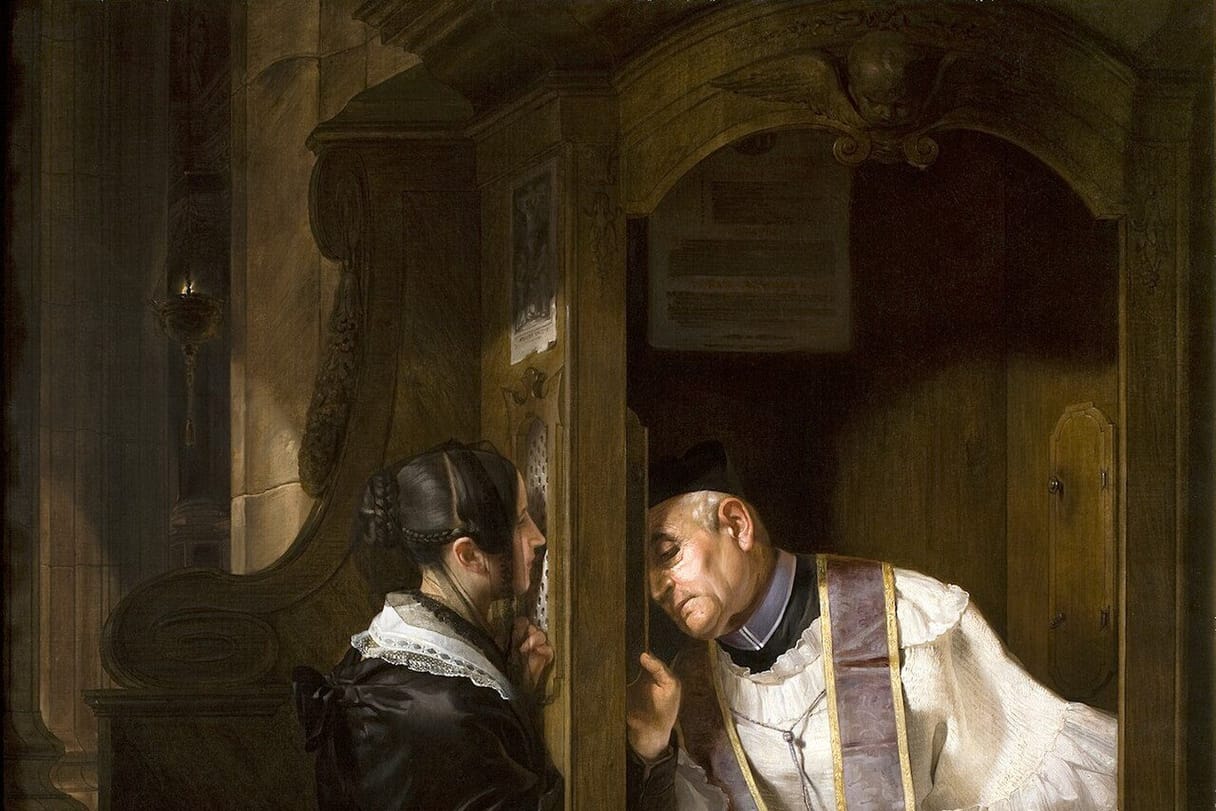
No mainline church requires private confession to a priest, and several offer it to anyone who wants it. Lutheran and Episcopal churches keep formal rites of individual confession, and many Presbyterian and Methodist pastors will hear a confession privately as well. Anglicans often sum up the practice in a short saying: “All may, none must, some should.”
If you are asking because something weighs on you, begin there. Guilt can make a person feel far from God. Scripture promises again and again that God forgives those who turn back, and the way back is open whether you kneel alone in your room or speak your sorrow to a pastor.
Can I confess my sins directly to God?
Yes. Scripture promises forgiveness to everyone who confesses to God with a sincere heart:
If we say that we have no sin, we deceive ourselves, and the truth is not in us. If we confess our sins, he who is faithful and just will forgive us our sins and cleanse us from all unrighteousness.
1 John 1:8–9, NRSVUE
The psalmist prayed in the same way: “I said, I will confess my transgressions to the LORD, and you forgave the iniquity of my sin” (Psalm 32:5). In Jesus’ parable, the tax collector stood in the Temple and prayed, “God, be merciful to me, a sinner!” and went home forgiven (Luke 18:13). His prayer was seven words long. Jesus taught his followers to ask for forgiveness every day in the Lord’s Prayer: “Forgive us our debts, as we also forgive our debtors” (Matthew 6:12).
Every Christian may come to God directly through Christ. “There is one God and one mediator between God and men, the man Christ Jesus” (1 Timothy 2:5), and the Letter to the Hebrews invites every believer to “draw near with boldness to the throne of grace, that we may receive mercy” (Hebrews 4:16). For the assurance that God forgives, see Will God forgive me?
Why do some Christians confess to a priest?
The New Testament also teaches confession to other people:
Therefore confess your sins to one another and pray for one another, so that you may be healed. The prayer of the righteous is powerful and effective.
James 5:16, NRSVUE
On the evening of the resurrection, Jesus breathed on his disciples and gave them authority to declare forgiveness:
“Receive the Holy Spirit. If you forgive the sins of any, they are forgiven them; if you retain the sins of any, they are retained.”
John 20:22–23, NRSVUE
The church has understood Jesus’ words in John 20 as the source of the ministry of absolution, the declaring of God’s forgiveness to a sinner who repents. The Reformers kept that ministry. The Augsburg Confession of 1530, the founding Lutheran statement of faith, says that “Private Absolution ought to be retained in the churches” (Article XI).
In confession the priest serves as a witness, and God is the one who forgives. In the Russian Orthodox rite, the priest begins by reminding the penitent that Christ himself stands there invisibly to receive the confession, and that the priest is only a witness. You confess to God, and the priest or pastor speaks God’s forgiveness aloud on behalf of Christ and his church.
Many people find that saying their sins aloud to another person brings a freedom that private prayer has not. Hearing another human voice say that God has put away your sins can calm a conscience that keeps accusing itself. A priest or pastor can also give counsel about how to make amends and how to change.
What happens in private confession?
Rites of private confession in the mainline churches follow a similar pattern:
- You may kneel near the pastor or priest, or the two of you may sit and talk face to face.
- You confess the sins that trouble your conscience. You do not have to list every sin you have ever committed; the Augsburg Confession says that “an enumeration of all sins is not necessary,” since, as the psalm asks, “Who can discern his errors?” (Psalm 19:12).
- The pastor or priest may offer counsel and suggest a psalm, a prayer, or an act of amends.
- The pastor or priest then declares God’s forgiveness in the name of the Father, the Son, and the Holy Spirit.
- What you say is kept in strict confidence, and the priest or pastor may not reveal it.
In the Orthodox churches, the penitent usually stands beside the priest before an icon of Christ or a Gospel book. At the end the priest lays the end of his stole over the penitent’s head and prays the prayer of absolution.
Do Protestants have to go to confession?
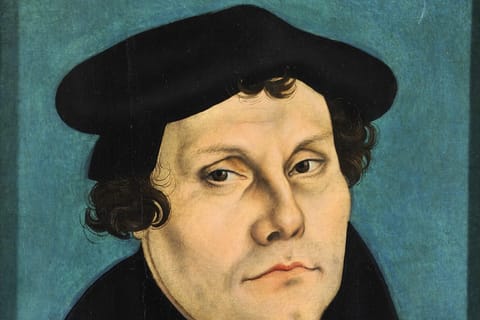
No. Martin Luther rejected compulsory confession, yet he urged Christians to use it freely as a gift for troubled consciences. The mainline churches follow that pattern: private confession is offered and never required.
Lutheran, Presbyterian, Methodist, and Episcopal congregations confess their sins together in most Sunday services. A minister invites the people to confess, the congregation prays a prayer of confession, and the minister declares God’s forgiveness to everyone present.
The saying “all may, none must, some should” names who might seek private confession. The “some” includes anyone burdened by a particular sin, anyone whose private prayers have not brought peace, and anyone who wants counsel in changing a pattern of life. If that describes you, a call to a pastor is a good first step, and you will not be the first person to make it. To learn more about sin and grace, see What is sin? and What is the unforgivable sin?
What do the Orthodox churches teach about confession?
The Orthodox churches count confession among the holy mysteries, their name for the sacraments, and they speak of it as healing. The same Russian exhortation tells the penitent that, having come to a physician, they should not leave unhealed. Practice varies: in the Russian tradition many Orthodox Christians confess before every Communion, while in Greek parishes confession is often less frequent and guided by a spiritual father.
The mainline churches and the Orthodox agree that confession is a means of grace and that a priest or pastor may declare God’s forgiveness. They differ on how often it should be used. For the Eucharist that follows the confession in Sunday worship, see What is Holy Communion?
Whether you confess alone or with a pastor, you can pray the words of Psalm 51, the church’s great prayer of repentance:
Create in me a clean heart, O God. Renew a right spirit within me. Don’t throw me from your presence, and don’t take your Holy Spirit from me. Restore to me the joy of your salvation. Uphold me with a willing spirit.
Common questions
Do Protestant churches have private confession?
Some do. The Augsburg Confession of 1530, which the ELCA holds, says that private absolution “ought to be retained in the churches,” and Lutheran worship books include a rite of individual confession and forgiveness. The Episcopal Church has a similar rite, the Reconciliation of a Penitent. Presbyterian and Methodist churches rely mainly on the prayer of confession in Sunday worship, though many of their pastors will hear a confession privately.
Can a priest tell anyone what I confess?
No. Churches that offer private confession treat it as strictly confidential, and the priest or pastor who hears it may not reveal what was confessed. The content of a confession is not normally discussed afterward, even with the person who made it.
Do I have to confess every sin I have ever committed?
You confess the sins that trouble your conscience. The Augsburg Confession says that in confession “an enumeration of all sins is not necessary,” because, as Psalm 19:12 asks, “Who can discern his errors?” God’s forgiveness reaches even the sins you cannot name.
Can I confess to a friend instead of a priest?
Yes. James 5:16 tells Christians to confess their sins to one another and pray for one another. Martin Luther counted the mutual conversation and consolation of fellow Christians among the ways God’s forgiveness reaches people. A priest or pastor adds the church’s formal declaration of forgiveness, which many people find a help.