Salvation
To be saved means to be rescued and made whole by God. The New Testament word for “save,” sōzō, also means “heal,” and Jesus uses it when he tells a woman, “your faith has made you well.” Christians believe that God saves us through Jesus Christ from sin, death, and the power of evil, and brings us into eternal life with God. Salvation begins now, continues through life, and is completed in the life to come.
For by grace you have been saved through faith, and this is not your own doing; it is the gift of God—
Ephesians 2:8, NRSVUE
Perhaps someone once asked you, “Are you saved?” and the question left you uneasy. Or perhaps you have wondered whether God could save someone like you. To be saved means to be rescued and made whole by God through Jesus Christ. In the Bible the word covers healing, freedom, forgiveness, and a new life with God that begins now and is completed in the life to come. Salvation starts with God’s love for you, long before you ask the question.
What does “saved” mean in the Bible?
In the Old Testament, God saves Israel from real dangers: slavery in Egypt, enemies, exile, sickness, and despair. When Israel was trapped at the Red Sea, Moses told the people, “Don’t be afraid. Stand still, and see the salvation of the LORD, which he will work for you today” (Exodus 14:13). The psalms describe God’s rescue in physical terms:
He reached down from on high; he took me; he drew me out of mighty waters. He delivered me from my strong enemy and from those who hated me, for they were too mighty for me.
Psalm 18:16–17, NRSVUE
The name Jesus is the Greek form of the Hebrew name Yeshua (Joshua), which means “the Lord saves.” The angel tells Joseph, “You shall name him Jesus, for it is he who shall save his people from their sins” (Matthew 1:21).
In the New Testament, the Greek verb sōzō means to save, rescue, heal, or make whole, and the Gospels use it for all of these at once. When a woman who had been bleeding for twelve years touches Jesus’s cloak, he tells her, “Daughter, your faith has made you well” (Mark 5:34); the Greek says, literally, “your faith has saved you.” When Jesus forgives a woman who anoints his feet, he says, “Your faith has saved you; go in peace” (Luke 7:50). When the tax collector Zacchaeus promises to give half his possessions to the poor and repay those he cheated, Jesus says:
“Today salvation has come to this house, because he, too, is a son of Abraham. For the Son of Man came to seek out and to save the lost.”
Luke 19:9–10, NRSVUE
In each of these stories, salvation arrives as a meeting with Jesus, and the person goes away healed, forgiven, and restored to the community.
What are we saved from?
Christians name three enemies from which God saves people: sin, death, and evil. The Letter to the Hebrews says that Christ shared human flesh and blood so that “through death he might bring to nothing him who had the power of death, that is, the devil, and might deliver all of them who through fear of death were all their lifetime subject to bondage” (Hebrews 2:14–15).
Sin reaches deeper than breaking rules. The New Testament word for sin, hamartia, means “missing the mark,” and the Eastern Fathers often describe sin as a sickness that distorts a person’s relationship with God, with other people, and with all creation. Sin also traps people, as Jesus said: “everyone who commits sin is the bondservant of sin” (John 8:34). Salvation from sin means forgiveness for what you have done and freedom from the power that keeps you doing it. See What is sin?
Death is the last enemy. Paul writes, “For the wages of sin is death, but the free gift of God is eternal life in Christ Jesus our Lord” (Romans 6:23). The church proclaims that Christ is risen, and Christians hope to share his risen life.
Evil includes the forces that crush people, such as cruelty, injustice, addiction, and despair. At his first sermon in Nazareth, Jesus announced that God had sent him “to proclaim release to the captives, recovering of sight to the blind, to deliver those who are crushed” (Luke 4:18).
Many Christians were taught to think of salvation above all as rescue from hell, and that teaching takes God’s judgment seriously. The Bible’s picture is wider still, and God’s first aim in saving is to heal. For the question of hell itself, see Is hell real?
What are we saved for?
God saves people for life with God. Jesus defines eternal life as knowing God: “This is eternal life, that they should know you, the only true God, and him whom you sent, Jesus Christ” (John 17:3). He also said, “I came that they may have life, and may have it abundantly” (John 10:10).
Paul calls the result a new creation: “Therefore if anyone is in Christ, he is a new creation. The old things have passed away. Behold, all things have become new.” (2 Corinthians 5:17). The Second Letter of Peter goes further, saying that God’s promises let believers “become partakers of the divine nature” (2 Peter 1:4). Athanasius of Alexandria, the fourth-century defender of the Nicene Creed, summed up the whole gospel in one sentence: “He was made man that we might be made God” (On the Incarnation 54). He meant that God shares God’s own life with human beings, so that they become more fully what God made them to be.
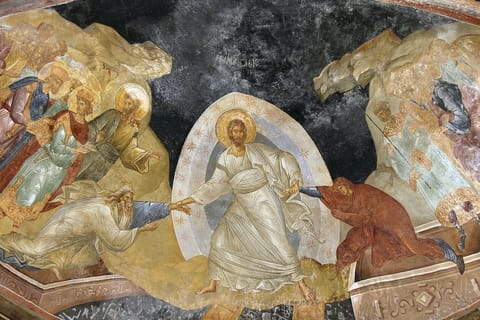
Eastern Orthodox Christians call this sharing in God’s life theosis, and they describe salvation above all as healing. Gregory of Nazianzus explained in the fourth century why the Son of God took on a complete human nature, body, mind, and soul: “that which He has not assumed He has not healed” (Letter 101). Because Christ took on everything human, every part of you, including the parts you are ashamed of, can be healed and brought into the life of God.
Is salvation a one-time event?
The New Testament speaks of salvation in three tenses. Christians have been saved: “For by grace you have been saved through faith” (Ephesians 2:8). Christians are being saved: Paul calls the message of the cross “the power of God” to “us who are being saved” (1 Corinthians 1:18). And Christians will be saved: “salvation is now nearer to us than when we first believed” (Romans 13:11).
You may remember a moment of conversion, or know the date of your baptism, as the day God’s saving work in you began. Many Christians cannot name such a day because they grew up in God’s love, and their faith is just as real. That work continues as the Holy Spirit changes a person over a lifetime, and it will be finished only when God makes all things new. If you worry that you might lose what God has begun, see Can you lose your salvation?
How does God save us?
God saves by grace, which means God’s favor given freely to people who have not earned it and could not earn it. Salvation starts with God’s love, before anyone does anything: “But God commends his own love toward us, in that while we were yet sinners, Christ died for us” (Romans 5:8). Christians have explained the meaning of Christ’s death in several ways; see Why did Jesus die on the cross?
People receive salvation by faith, which means trusting God, and the church marks a person’s new life in Christ with baptism. Paul writes, “For as many of you as were baptized into Christ have put on Christ” (Galatians 3:27). Good works follow as the fruit of salvation, and no one earns salvation by them. See Are we saved by faith or by works? and How do I become a Christian?
What do the churches teach?
The mainline churches agree that salvation is God’s free gift in Jesus Christ, received by faith and marked by baptism. The Augsburg Confession of 1530, which the Evangelical Lutheran Church in America (ELCA) confesses, teaches that people “cannot be justified before God by their own strength, merits, or works, but are freely justified for Christ’s sake, through faith” (Article IV). The United Methodist Church, following John Wesley, teaches that God’s grace goes before every human response, forgives sinners, and makes them holy over a lifetime. The Presbyterian Church (U.S.A.) teaches the same free grace in the Heidelberg Catechism, and the Episcopal Church in the Thirty-Nine Articles it inherited from the Church of England.
The Eastern Orthodox churches agree that salvation is God’s gift, and they put the emphasis on healing and on theosis, the lifelong sharing in God’s life that Athanasius described. The mainline and Orthodox churches share the same hope, that God, who “desires all people to be saved” (1 Timothy 2:4), will finish the work God has begun.
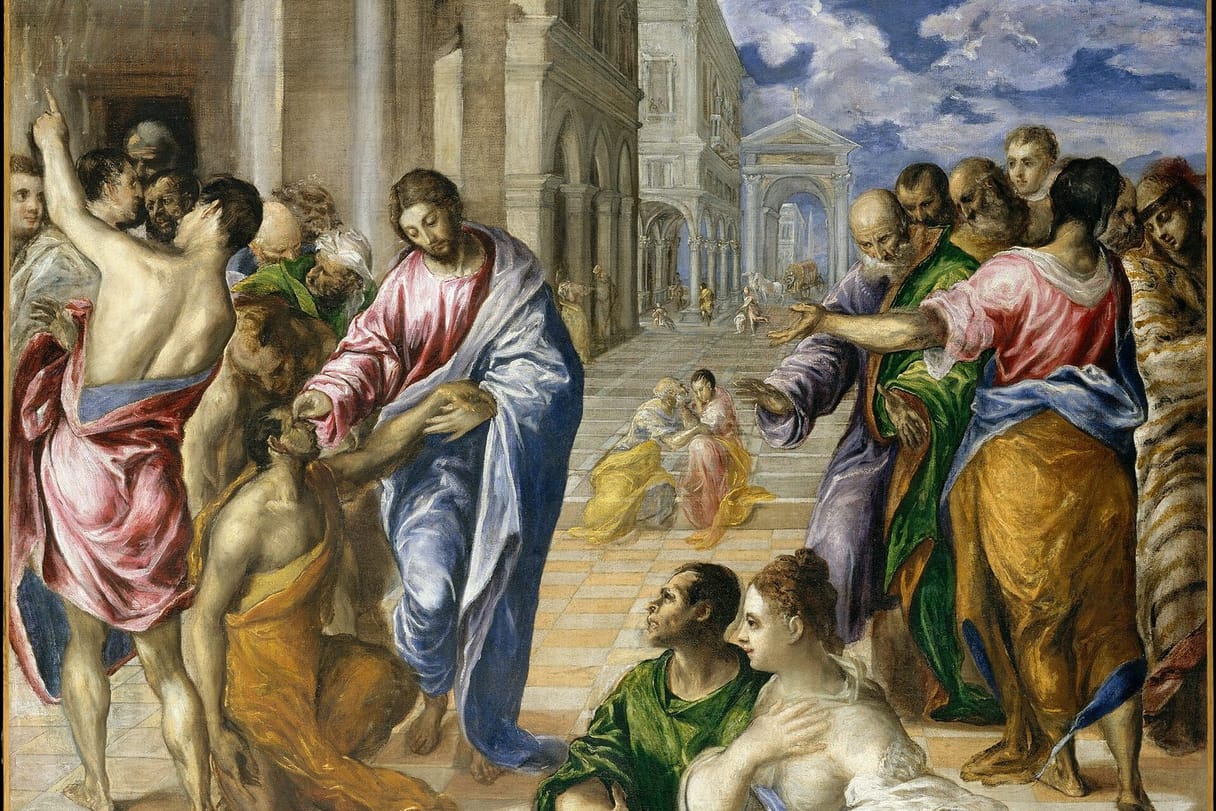
If you are unsure where you stand with God, you can begin where the people in the Gospels began, by asking Jesus for mercy. A blind man by the road at Jericho cried out, “Jesus, you son of David, have mercy on me!” (Mark 10:47), and Jesus stopped for him. Eastern Christians have shaped that cry into the Jesus Prayer, which many pray slowly, again and again, through the day. Its form on Mount Athos is short enough to learn at once: “Lord Jesus Christ, Son of God, have mercy on me.”
Common questions
What does it mean to be born again?
The phrase comes from John 3:3, where Jesus tells Nicodemus, “unless one is born anew, he can’t see God’s Kingdom.” The Greek word anōthen, translated “anew,” can mean both “again” and “from above.” Being born again means receiving new life from God by the Holy Spirit, which the church has always connected with baptism.
How do I know if I am saved?
Christians find assurance in God’s promises, which hold firm even when feelings waver. Paul writes that nothing in all creation can separate us from the love of God in Christ Jesus (Romans 8:39). If you trust Christ, have been baptized or want to be, and are trying to follow him, you can rest in God’s faithfulness.
Is being saved the same as going to heaven?
Going to heaven is part of salvation but not all of it. In the Bible, salvation includes forgiveness, healing, freedom from evil, and new life in God’s kingdom, beginning now. Its completion is the life of the world to come, when, as Paul writes in 1 Corinthians 13:12, Christians will know God fully, as they are fully known.
Can you be saved without being baptized?
Baptism is the normal way Christians are joined to Christ, and the church teaches every believer to seek it. Christians have also always believed that God is not bound by the sacraments, so a person who dies wanting baptism, or who never had the chance, is in God’s merciful hands.
Sources
- Mark 5:34 (WEB)
- Mark 5:34 (SBL Greek New Testament)
- Luke 19:1–10 (WEB)
- Psalm 18:16–19 (WEB)
- Ephesians 2:4–10 (WEB)
- 1 Corinthians 1:18 (WEB)
- John 17:3 (WEB)
- Hebrews 2:14–15 (WEB)
- Athanasius, On the Incarnation of the Word, section 54
- Gregory of Nazianzus, Letter 101, to Cledonius (New Advent)
- Augsburg Confession, Article IV: Of Justification (BookOfConcord.org)
- OrthodoxWiki, “Jesus Prayer”