Fasting
Christians fast because Jesus fasted and taught his followers how to fast, saying “when you fast,” not “if.” Fasting means going without food, or something else, for a time in order to pray, repent, and give to others. Many churches keep Ash Wednesday and Good Friday as fast days, and Eastern Orthodox Christians fast through much of the year. People whose health could be harmed should choose a fast that does not involve food.
Isn’t it to distribute your bread to the hungry, and that you bring the poor who are cast out to your house?
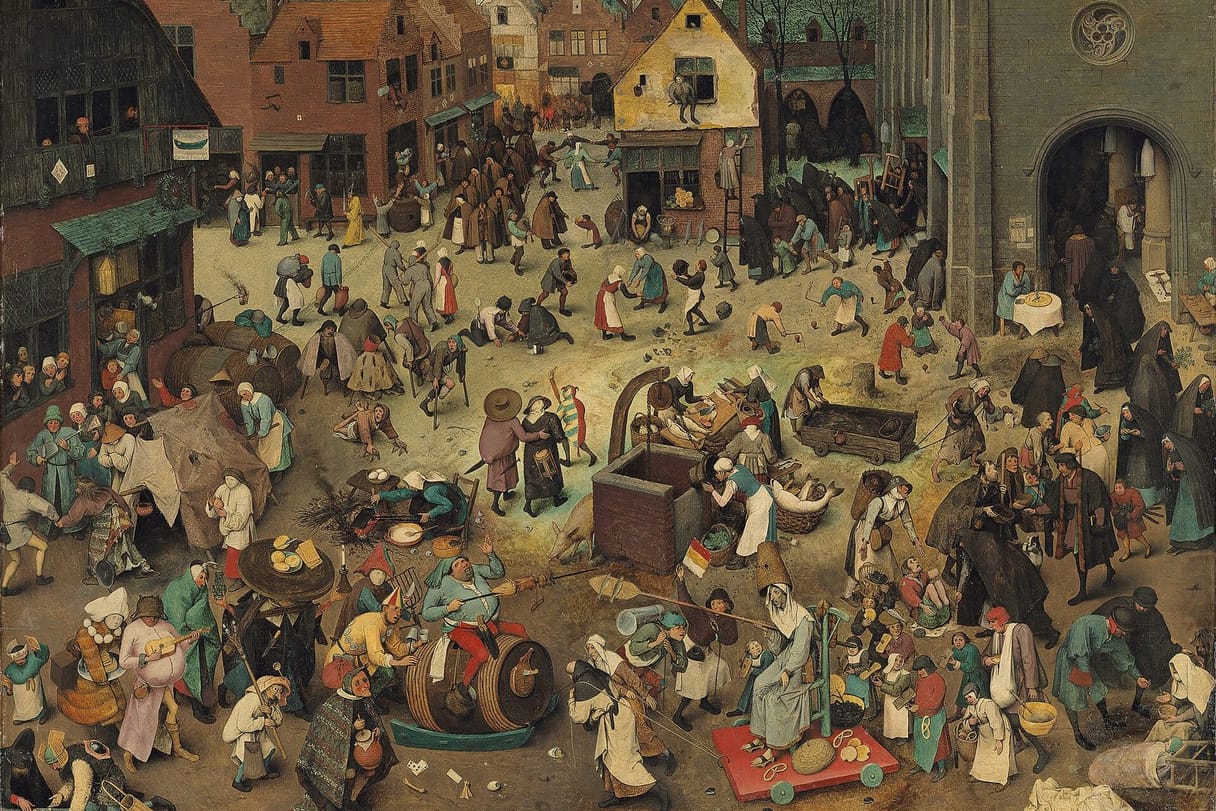
Many people are drawn to fasting because they want to pray more deeply, or because their lives feel crowded and they long to make room for God. Christians fast because Jesus fasted and expected his followers to do the same. To fast is to go without food, or without some other good thing, for a set time, in order to pray, to repent, and to give to others. The mainline churches begin Lent with Ash Wednesday and keep Good Friday as the most solemn day of the year, and many of their members fast on those days. The United Methodist Church’s General Rules, written by John Wesley, list “fasting or abstinence” among the ordinances of God, and Eastern Orthodox Christians keep the fullest pattern of fasting of any Christian tradition.
What did Jesus teach about fasting?
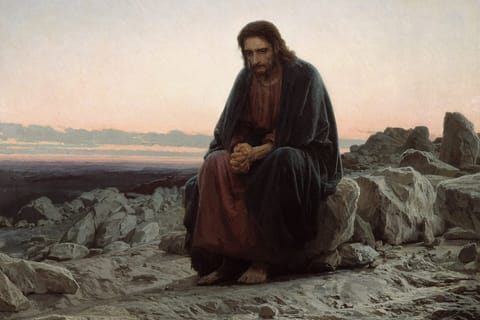
Jesus fasted forty days in the wilderness before his ministry began (Matthew 4:2). In the Sermon on the Mount he spoke about fasting in the same breath as giving to the poor and praying, and he took for granted that his disciples would fast:
But you, when you fast, anoint your head and wash your face, so that you are not seen by men to be fasting, but by your Father who is in secret; and your Father, who sees in secret, will reward you.
The Revised Common Lectionary, the cycle of readings used by many mainline churches, appoints Jesus’ teaching on fasting as the Gospel for Ash Wednesday (Matthew 6:1–6, 16–21). Jesus’ warning concerns motive. Of people who fast so that others will notice, he says, “they have received their reward” (Matthew 6:16). A fast kept before God alone becomes a private act of love, seen by the Father who sees in secret.
When people asked why his disciples did not fast while John the Baptist’s disciples did, Jesus answered that wedding guests do not fast while the bridegroom is with them. “But the days will come when the bridegroom will be taken away from them, and then they will fast” (Matthew 9:15). Christians have read Jesus’ saying about the bridegroom as a reason to fast in the time between Jesus’ resurrection and his return. Fasting in that sense is a form of longing for Christ.
What is the fast that God chooses?
The prophets warned that fasting could become an empty show. In Isaiah 58, the people complain that God has not noticed their fasts, and God answers that on their fast days they “oppress all your laborers” and quarrel (Isaiah 58:3–4). Then God describes a different fast:
Isn’t this the fast that I have chosen: to release the bonds of wickedness, to undo the straps of the yoke, to let the oppressed go free, and that you break every yoke? Isn’t it to distribute your bread to the hungry, and that you bring the poor who are cast out to your house? When you see the naked, that you cover him; and that you not hide yourself from your own flesh?
The church has never forgotten Isaiah’s words. John Chrysostom, preaching in Antioch in 387 CE, told his congregation: “Do you fast? Give me proof of it by your works!” He went on, “If you see a poor man, take pity on him!” (Homilies on the Statues 3). The surest way to keep Isaiah’s fast is to give the money you save on food to people who are hungry; see What does the Bible say about the poor?
How did the early church fast?
The first Christians fasted when they faced important decisions. In Antioch, “as they served the Lord and fasted,” the Holy Spirit called Barnabas and Paul to carry the gospel to Cyprus and Asia Minor, and the church “fasted and prayed and laid their hands on them” before sending them out (Acts 13:2–3). Paul and Barnabas later prayed “with fasting” when they appointed elders for new churches (Acts 14:23).
The Didache, a church manual written around 100 CE, told Christians to fast on Wednesdays and Fridays (chapter 8). It also told those being baptized, and anyone else who could, to fast for a day or two beforehand (chapter 7). Friday became a weekly fast in memory of the crucifixion, and the fast before Easter grew into the forty days of Lent.
How do churches fast today?
The mainline churches do not set rules for what to eat or avoid. They leave the form of the fast to each Christian’s conscience and, if you wish, the counsel of a pastor or priest. Anglican prayer books, for example, name Ash Wednesday and Good Friday as fasts and set apart the other weekdays of Lent and the Fridays of the year for discipline and self-denial, without saying what that should involve. John Wesley fasted every week and urged early Methodists to do the same. Lutherans, Presbyterians, Methodists, and Episcopalians who fast often eat one simple meal on Ash Wednesday and Good Friday, give up meat on Fridays, or give up a particular food or drink for Lent.
Eastern Orthodox Christians keep longer and stricter fasts. Besides most Wednesdays and Fridays, they keep four fasting seasons: Great Lent before Easter, the Nativity Fast before Christmas, the Apostles’ Fast in early summer, and the Dormition Fast in August. A full Orthodox fast means going without meat, dairy products, and eggs, and on many days also fish, wine, and olive oil. Great Lent begins on Forgiveness Sunday, when members of a congregation ask one another’s forgiveness, so that the fast starts with reconciliation.
How do Jewish and Muslim neighbors fast?
Jesus fasted as a faithful Jew, and fasting remains central to Jewish life; see Was Jesus Jewish? On Yom Kippur, the Day of Atonement, Jews fast from food and drink for about twenty-five hours, from sundown to nightfall the next day. The practice comes from the command in Leviticus to “afflict your souls” on the tenth day of the seventh month (Leviticus 16:29–31).
Muslims fast during Ramadan, the ninth month of the Islamic calendar, going without food and drink from dawn to sunset every day for the whole month. Fasting in Ramadan is one of the Five Pillars of Islam, and the month ends with the feast of Eid al-Fitr. Christians who fast can learn from the seriousness and joy that their Jewish and Muslim neighbors bring to these fasts.
Who should not fast from food?
Fasting should never endanger your health. You should not fast from food if you have diabetes, if you are pregnant or nursing, or if you have ever struggled with an eating disorder, and you should talk with your doctor first if you take medication or have any chronic illness. Churches that keep fasting rules, the Orthodox churches among them, excuse the sick, pregnant and nursing women, and others whose health would suffer. Children and older adults should not keep strict fasts either.
If food is not safe ground for you, you can offer God a different fast. You can give up social media, television, online shopping, or alcohol for a season, and spend the time in prayer or with someone who is lonely. You can fast from harsh words, as Chrysostom urged when he said, “let not the mouth only fast, but also the eye, and the ear, and the feet, and the hands.” A fast from screens, spending, or harsh words can be the fast God chooses too.
However you fast, pair it with prayer. A short daily time of prayer or reading Scripture turns an empty stomach or an empty hour into attention to God; see How do I pray? Fasting days fit into the larger rhythm of the church year, in which every fast leads to a feast.
On the weekdays of Great Lent, Orthodox Christians say this prayer of St. Ephraim the Syrian, bowing to the ground. It asks for the change of heart that every fast serves:
O Lord and Master of my life, grant not unto me a spirit of slothfulness, of discouragement, of lust of power, of vain babbling. But vouchsafe unto thy servant the spirit of continence, of meekness, of patience, and of love. Yea, O Lord and King, grant that I may perceive my own transgressions, and judge not my brother. For blessed art thou unto ages of ages. Amen.
Prayer of St. Ephraim the Syrian, in Isabel F. Hapgood, Service Book of the Holy Orthodox-Catholic Apostolic Church (1906)
Common questions
What can I fast from besides food?
You can fast from anything that draws your attention away from God and other people: social media, television, alcohol, shopping, or complaining. John Chrysostom told his congregation in Antioch to let the eyes, the ears, the hands, and the mouth fast from sin along with the stomach. Many Christians pair a fast with a gift, giving away the money or time they save.
Is it a sin to break a fast?
A fast you set for yourself is a free offering to God, and you are free to end it. The mainline churches leave the form of fasting to each Christian’s conscience, because a fast exists to help prayer. If you need to eat for your health, eating is the right choice, and you can take up the fast again another day.
Do Protestants fast?
Many Protestants fast, especially in Lent. Anglican Prayer Books have listed fast days since the Reformation, Lutherans keep Lent, and John Wesley’s General Rules, still part of United Methodist teaching, list “fasting or abstinence” among the ordinances of God. Some evangelical churches hold group fasts at the start of the year.
Why don’t Christians fast on Sundays?
Every Sunday celebrates the resurrection of Christ, so the church has traditionally kept Sunday as a feast day. Because Sundays are feasts, the six Sundays in Lent are not counted in its forty days. In the Orthodox churches the Lenten fast is also relaxed on Saturdays and Sundays.
Sources
- Matthew 6:16–18 (WEB)
- Isaiah 58:3–7 (WEB)
- Matthew 9:14–15 (WEB)
- Acts 13:2–3 (WEB)
- Leviticus 16:29–31 (WEB)
- Book of Common Prayer (1979), The Calendar of the Church Year, pp. 15–17
- Great Lent (Wikipedia), on Orthodox fasting and Forgiveness Sunday
- The Didache, chapters 7–8 (New Advent)
- John Chrysostom, Homilies on the Statues 3 (New Advent)
- The General Rules of the Methodist Church (umc.org)
- Isabel F. Hapgood, Service Book of the Holy Orthodox-Catholic Apostolic (Greco-Russian) Church (1906), Internet Archive
_-_The_Fight_Between_Carnival_and_Lent_-_Kunsthistorisches_Museum_GG_1016.jpg)