Lent
Lent is the forty-day season of preparation before Easter, kept by Christians since at least the fourth century. In Western churches it begins on Ash Wednesday, when worshipers receive ashes with the words “Remember that you are dust, and to dust you shall return.” Its disciplines are prayer, fasting, giving to the poor, and repentance. The six Sundays in Lent are not counted in the forty days, because every Sunday celebrates the resurrection.
Yet even now, says the Lord, return to me with all your heart, with fasting, with weeping, and with mourning; rend your hearts and not your clothing.
Joel 2:12–13, NRSVUE
Lent is the season of fasting, self-examination, and repentance that prepares Christians for Easter. It is a season for anyone who feels far from God and wants to come home, and it opens with God’s invitation through the prophet Joel: “turn to me with all your heart” (Joel 2:12). The Evangelical Lutheran Church in America (ELCA), the Presbyterian Church (U.S.A.), the United Methodist Church, and the Episcopal Church all keep it, and the Eastern Orthodox churches keep their own Great Lent. In 2027, Ash Wednesday falls on February 10 and Easter Day on March 28.
What does the word Lent mean?
The English word Lent comes from an old Germanic word for spring. In other languages the season’s name means “fortieth”: Latin quadragesima, from which come the Spanish cuaresma and the French carême, and Greek tessarakoste. The name points to the forty days.
Why is Lent forty days?
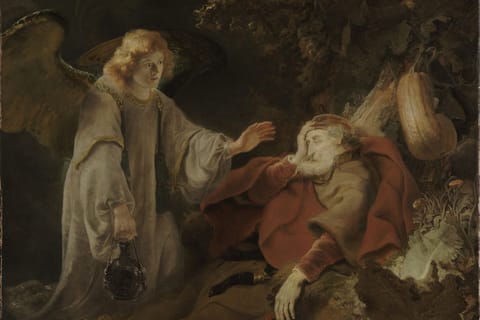
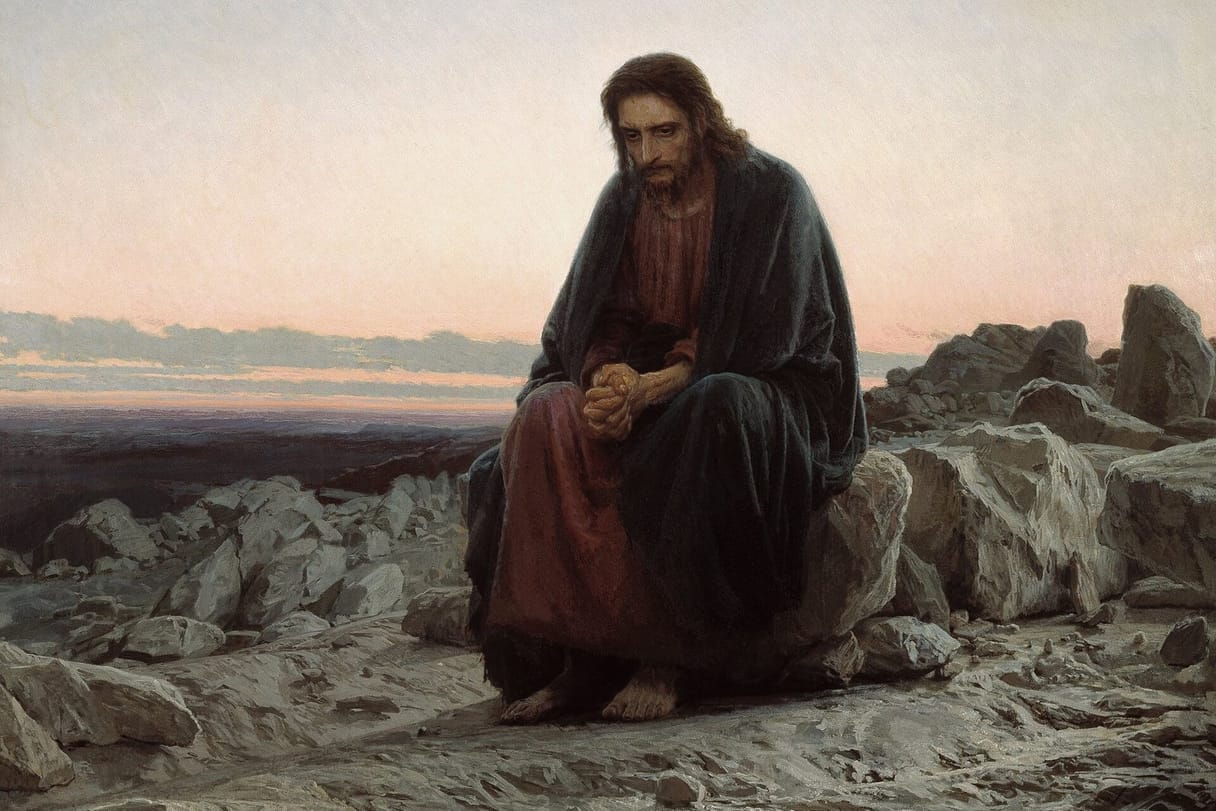
Lent imitates the great fasts of forty days in Scripture. Moses stayed on Mount Sinai “forty days and forty nights” without bread or water when he received the covenant (Exodus 34:28). Elijah, exhausted and afraid, traveled “forty days and forty nights to Horeb, God’s Mountain,” where God met him (1 Kings 19:8). Above all, Jesus fasted in the wilderness before his ministry began:
Then Jesus was led up by the Spirit into the wilderness to be tested by the devil. He fasted forty days and forty nights, and afterward he was famished.
Matthew 4:1–2, NRSVUE
When you keep Lent, you keep company with Jesus in his wilderness, and he keeps company with you in yours. From Ash Wednesday to Holy Saturday is forty-six days. The six Sundays in Lent are not counted, because every Sunday is a celebration of the resurrection, a little Easter. Subtracting the six Sundays leaves forty days of fasting and discipline.
What happens on Ash Wednesday?
Ash Wednesday is the first day of Lent in Western churches, and many churches keep it, with Good Friday, as a day of fasting. In the Ash Wednesday services of the mainline churches, the minister invites the congregation to keep the season, in words like these from the Book of Common Prayer:
I invite you, therefore, in the name of the Church, to the observance of a holy Lent, by self-examination and repentance; by prayer, fasting, and self-denial; and by reading and meditating on God’s holy Word.
Book of Common Prayer (1979), Ash Wednesday
The minister then marks each worshiper’s forehead with ashes, usually in the sign of the cross, and says, “Remember that you are dust, and to dust you shall return.” The words echo God’s words to Adam in Genesis: “you are dust, and you shall return to dust” (Genesis 3:19). The ashes are a sign of mortality and of repentance, and also of trust that everlasting life is God’s gift. The cross they make is a reminder that the dust belongs to Christ.
The congregation also prays Psalm 51, “Have mercy on me, O God,” and confesses its sins against God, neighbor, and creation. The readings appointed for the day include the call of the prophet Joel, which grounds the whole season in God’s mercy:
Yet even now, says the Lord, return to me with all your heart, with fasting, with weeping, and with mourning; rend your hearts and not your clothing. Return to the Lord your God, for he is gracious and merciful, slow to anger, abounding in steadfast love, and relenting from punishment.
Joel 2:12–13, NRSVUE
How did Lent begin?
The earliest Christians kept a short, strict fast before Easter, and its length varied from place to place. Around 190 CE, Irenaeus of Lyons wrote that some fasted one day, some two, some several, and some forty hours. The Greek word for the forty days, tessarakoste, first appears in the fifth canon of the Council of Nicaea in 325, which directs that a regional synod of bishops be held “before Lent.” By 331, Athanasius, bishop of Alexandria, was urging his people to keep a forty-day fast before Easter.
Lent had two original purposes. It was the time when converts to the faith were prepared for baptism at Easter, and the time when those separated from the church because of serious public sins were reconciled and restored. The whole congregation joined them in repentance, and the church still invites all its members to do the same, so that no one walks toward Easter alone. Over the following centuries, Western churches began Lent on a Wednesday so that the fasting days, without the Sundays, would number exactly forty. The Easter season that Lent prepares for is older than Lent itself; see Is Easter a pagan holiday?
What should I give up for Lent?
Jesus named three practices in the Sermon on the Mount: giving alms, praying, and fasting (Matthew 6:1–18). He warned against doing any of them for show:
But when you fast, put oil on your head and wash your face, so that your fasting may be seen not by others but by your Father who is in secret, and your Father who sees in secret will reward you.
Matthew 6:17–18, NRSVUE
The prophet Isaiah describes the fast God wants: “to distribute your bread to the hungry, and that you bring the poor who are cast out to your house” (Isaiah 58:6–7). A good Lenten discipline combines denying yourself with serving others, and it makes room in your life for God. You might give up a food, a drink, or a habit, and give the money you save to a food bank. You might take on something new: praying Morning Prayer each day, reading a Gospel from beginning to end, or volunteering every week. See How do I pray? for easy ways to begin.
Fasting should never endanger your health. If you are ill, pregnant, elderly, or have struggled with an eating disorder, choose a discipline that does not involve food. Many Christians relax their Lenten discipline on Sundays, since Sundays are not counted in the forty days; others keep it every day. Either is a faithful choice. If you stumble in your discipline, Lent invites you to begin again, as many times as you need.
How do the churches keep Lent today?
The ELCA, the PC(USA), the United Methodist Church, and the Episcopal Church keep Ash Wednesday and the forty days, and they leave the choice of foods and disciplines to each Christian’s conscience and the counsel of a pastor or priest. Many congregations add midweek services and study groups during Lent. Lent is also a traditional time to make a private confession; see Do I have to confess my sins to a priest?
The Eastern Orthodox churches keep Great Lent, which begins on Clean Monday, seven weeks before Easter, and has no Ash Wednesday. On the evening before it begins, at Forgiveness Vespers, each member of the congregation bows before the others and asks their forgiveness, so that the fast starts in reconciliation. Orthodox Christians traditionally give up meat and dairy foods for the whole season. At weekday services they pray the Prayer of Saint Ephrem the Syrian, a fourth-century deacon and poet, bowing to the ground as they pray it.
Lent ends in Holy Week, when the church walks with Jesus through Palm Sunday, Maundy Thursday, and Good Friday to the Great Vigil of Easter. The whole season leads to Easter joy. To learn more about the churches that keep it, see What is mainline Protestantism? Christians of every tradition can pray Ephrem’s prayer through the forty days:
O Lord and Master of my life, grant not unto me a spirit of slothfulness, of discouragement, of lust of power, of vain babbling. But vouchsafe unto thy servant the spirit of continence, of meekness, of patience, and of love. Yea, O Lord and King, grant that I may perceive my own transgressions, and judge not my brother. For blessed art thou unto ages of ages. Amen.
Prayer of Saint Ephrem the Syrian, trans. Isabel F. Hapgood, Service Book of the Holy Orthodox-Catholic Apostolic (Greco-Russian) Church (1906)
Common questions
Is Lent in the Bible?
The word Lent is not in the Bible, and the New Testament does not command a forty-day season. The season imitates biblical fasts of forty days, especially Jesus’ forty days in the wilderness (Matthew 4:1–2). The church developed Lent in its first centuries as a time to prepare for Easter.
When does Lent end?
Lent ends on the day before Easter, Holy Saturday. Its last week, beginning on Palm Sunday, is called Holy Week, and it includes Maundy Thursday and Good Friday. Easter Day begins the fifty-day season of Easter.
Is it a sin to eat meat on Fridays in Lent?
No. The ELCA, the PC(USA), the United Methodist Church, and the Episcopal Church leave the form of Lenten discipline to each person’s conscience, so a meatless Friday is one good choice among many. Orthodox Christians traditionally give up meat and dairy foods for all of Great Lent. If your own church has a rule, ask your pastor or priest about it.
Do I have to give something up for Lent?
No. Giving something up is one traditional discipline, and you can also take something on, such as daily prayer, Scripture reading, or service to the poor. What matters is that your Lenten practice turns you toward God and your neighbor. A small discipline kept with love is better than a large one kept with anxiety.
Can you eat on Ash Wednesday?
Yes. Many churches keep Ash Wednesday and Good Friday as fast days, but the mainline churches do not prescribe what fasting means. Many Christians eat lightly or skip a meal. People who are sick, pregnant, elderly, or recovering from an eating disorder should not fast in ways that endanger their health.
Sources
- Book of Common Prayer (1979), Ash Wednesday, pp. 264–269
- Matthew 4:1–2 (WEB)
- Matthew 6:1–18 (WEB)
- Joel 2:12–13 (WEB)
- Isaiah 58:6–7 (WEB)
- Genesis 3:19 (WEB)
- Catholic Encyclopedia (1910), “Lent”
- Council of Nicaea (325), Canons
- Great Lent (Wikipedia)
- Prayer of Saint Ephrem (Orthodox Church in America)
- Isabel F. Hapgood, Service Book of the Holy Orthodox-Catholic Apostolic (Greco-Russian) Church (1906), Internet Archive