When prayers seem unanswered
Unanswered prayer is a mystery that no one fully understands, and the Bible does not pretend otherwise. Jesus prayed in Gethsemane for his suffering to pass, and it did not. Paul asked three times to be freed from a “thorn in the flesh” and was told, “My grace is sufficient for you.” Their prayers show that unanswered prayer belongs to a life of deep faith, and Scripture promises that God hears every prayer and stays with the one who prays.
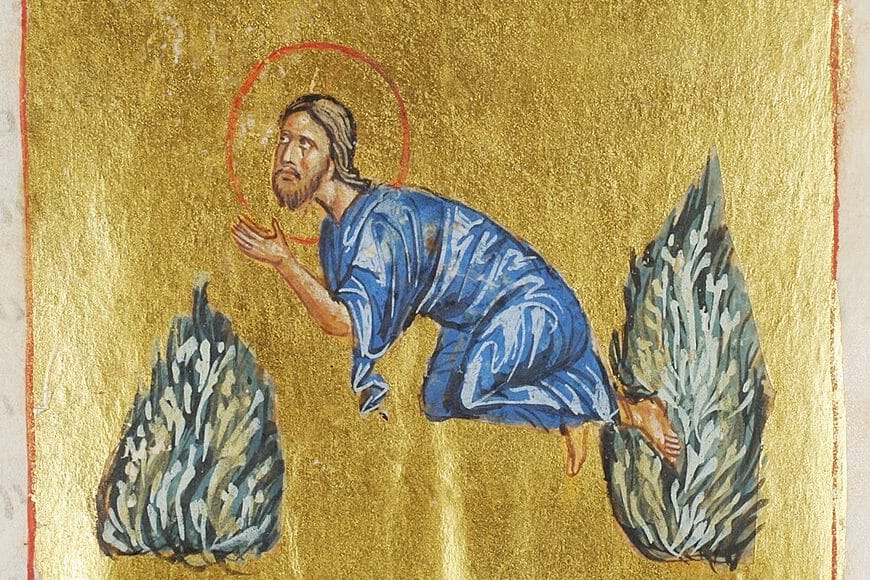
He said, “Abba, Father, for you all things are possible; remove this cup from me, yet not what I want but what you want.”
Mark 14:36, NRSVUE
If you have prayed for healing, for a relationship to be mended, or for a way out of trouble, and nothing seemed to change, you stand in good company. Some of the most faithful people in Scripture, Jesus among them, asked God for something with their whole heart and did not receive it. The Bible keeps their prayers so that you can find your own place among them, and so that you can learn, as they did, that God stays near when the answer does not come.
Did Jesus have unanswered prayers?
Yes. On the night before he died, Jesus went to the garden of Gethsemane, “fell on the ground, and prayed that if it were possible, the hour might pass away from him” (Mark 14:35). His prayer was direct:
He said, “Abba, Father, for you all things are possible; remove this cup from me, yet not what I want but what you want.”
Mark 14:36, NRSVUE
The cup was not taken away. The next day, on the cross, Jesus prayed the opening words of Psalm 22: “My God, my God, why have you forsaken me?” (Mark 15:34). The letter to the Hebrews remembers Jesus “having offered up prayers and petitions with strong crying and tears to him who was able to save him from death, and having been heard for his godly fear” (Hebrews 5:7). He was heard, and he still died. Christians believe God answered beyond the request, through the resurrection, and the answer came on the far side of suffering.
Does the Bible admit that God sometimes seems silent?
Yes, often and without apology. Psalm 22 continues:
My God, my God, why have you forsaken me? Why are you so far from helping me, from the words of my groaning? O my God, I cry by day, but you do not answer; and by night but find no rest.
Psalm 22:1–2, NRSVUE
Psalm 13 asks, “How long, LORD? Will you forget me forever? How long will you hide your face from me?” (Psalm 13:1). Psalm 88 ends in darkness, with no resolution at all: “You have put lover and friend far from me, and my friends into darkness” (Psalm 88:18). The prophet Habakkuk complained, “LORD, how long will I cry, and you will not hear?” (Habakkuk 1:2).
These prayers are in the Bible so that you can pray them too. The church has sung them in worship for centuries. Complaint addressed to God is still prayer, and it is still faith, because it keeps talking to God (see Is it wrong to question God?).
What happened when Paul prayed about his “thorn”?
Paul suffered from something he called “a thorn in the flesh … a messenger of Satan to torment me” (2 Corinthians 12:7). Scholars have guessed at an illness, a disability, or persistent opposition, but no one knows. Paul prayed for it to go away:
Three times I appealed to the Lord about this, that it would leave me, but he said to me, “My grace is sufficient for you, for power is made perfect in weakness.” So I will boast all the more gladly of my weaknesses, so that the power of Christ may dwell in me.
2 Corinthians 12:8–9, NRSVUE
The thorn stayed. Paul received strength to live with it and a new understanding of where God’s power shows up. Many Christians who live with chronic illness or grief have found more comfort in Paul’s experience than in any promise of quick relief.
Is it my fault if my prayer isn’t answered?
Jesus in Gethsemane and Paul with his thorn both prayed with deep faith and did not receive what they asked. Some Christians, wanting to take Jesus at his word, point to verses such as “all things whatever you pray and ask for, believe that you have received them, and you shall have them” (Mark 11:24) and teach that unanswered prayer reveals a lack of faith. James does warn that people sometimes “ask with wrong motives, so that you may spend it on your pleasures” (James 4:3), so it is fair to ask whether a prayer is selfish. Read in the light of the whole Bible, Jesus’ promises about asking invite you to trust God with your requests and with their outcome.
Dry seasons in prayer are normal. Julian of Norwich, the fourteenth-century English mystic, admitted that “we are as barren and dry oftentimes after our prayers as we were afore.” She heard Christ answer: “Pray inwardly, though thee thinketh it savour thee not: for it is profitable, though thou feel not, though thou see nought; yea, though thou think thou canst not” (Revelations of Divine Love, chapter 41). If depression or anxiety is part of what makes prayer feel empty, caring for your mind is part of caring for your soul, and medicine, therapy, and prayer belong together (see Anxiety, depression, and faith).
What is prayer for, if God already knows what I need?
Jesus said, “your Father knows what things you need before you ask him” (Matthew 6:8), and in the next breath taught the Lord’s Prayer. Christian teachers have explained that prayer changes the one who prays.
Augustine wrote to a widow named Proba that God asks us to pray “not that thereby our wish may be intimated to Him, for to Him it cannot be unknown,” but so that our desire may grow and we may receive what God prepares to give. “His gifts are very great,” he added, “but we are small and straitened in our capacity of receiving” (Letter 130.8.17). Thomas Aquinas wrote that we pray “not in order to make known to Him our needs or desires but that we ourselves may be reminded of the necessity of having recourse to God’s help” (Summa Theologiae II-II, question 83, article 2).
Christian petitions therefore end in trust. Jesus taught us to say, “Let your will be done” (Matthew 6:10). A prayer from the Greek Divine Liturgy of John Chrysostom, which Anglicans also pray in the Book of Common Prayer, asks God to “fulfill now, O Lord, our desires and petitions as may be best for us.” Christians hold different views about how God acts in the world in response to prayer. They agree that prayer is never wasted.
What should I do when God seems silent?
Keep praying, even briefly. Jesus told a parable “that they must always pray and not give up” (Luke 18:1). Some practical steps help:
- Tell God the truth. Say exactly what you feel, including anger. The psalms of lament give you words.
- Let the Spirit pray for you. “We don’t know how to pray as we ought. But the Spirit himself makes intercession for us with groanings which can’t be uttered” (Romans 8:26).
- Use a short prayer. When longer prayers will not come, Eastern Orthodox Christians have for centuries repeated the Jesus Prayer, “Lord Jesus Christ, Son of God, have mercy on me, a sinner,” slowly and in time with the breath. It grows from the tax collector’s prayer in Jesus’ parable: “God, be merciful to me, a sinner!” (Luke 18:13).
- Pray with others. Ask a priest, pastor, or friend to pray with you, and go to church even when you cannot pray alone. The church’s prayers carry you when your own run out.
- Wait. “I wait for the LORD. My soul waits. I hope in his word” (Psalm 130:5).
Psalm 22, which begins in abandonment, ends in trust: God has not despised the afflicted, “neither has he hidden his face from him; but when he cried to him, he heard” (Psalm 22:24). For help building a habit of prayer, see How do I pray? For the larger question behind many unanswered prayers, see Why does God allow suffering?
When even faith feels thin, you can pray the words of a father in Mark’s Gospel who brought his suffering son to Jesus. His faith was far from perfect, and Jesus did not turn him away:
Immediately the father of the child cried out with tears, “I believe. Help my unbelief!”
Common questions
Does God answer every prayer?
Christians believe God hears every prayer, but God does not grant every request. Jesus asked for his cup of suffering to be removed and was not spared the cross. An ancient prayer from the Eastern liturgy of John Chrysostom asks God to grant our requests as may be best for us, which trusts God to judge what is best.
Is unanswered prayer a sign that I lack faith?
Unanswered prayer belongs to the lives of the most faithful people in Scripture. Jesus prayed with perfect trust in Gethsemane and still went to the cross, and Paul prayed three times about his “thorn in the flesh,” and it stayed. Some prayers ask for things God does not grant in this life, such as healing every illness, and God meets the people who pray them with grace to endure.
Why pray if God already knows what I need?
Jesus said, “your Father knows what things you need before you ask him,” and still taught his disciples to ask. Augustine explained that God asks us to pray so that our desire grows and we become able to receive what God wants to give. Thomas Aquinas wrote that we pray so that we ourselves remember our need of God’s help.
What if I do not know what to pray?
Paul writes that “we don’t know how to pray as we ought. But the Spirit himself makes intercession for us with groanings which can’t be uttered” (Romans 8:26). You can sit in silence, repeat a single verse, or pray the Lord’s Prayer. God receives prayers that have no words.
Sources
- Mark 14:32–36 (WEB)
- Psalm 22:1–5, 24 (WEB)
- 2 Corinthians 12:7–9 (WEB)
- Romans 8:26–27 (WEB)
- Luke 18:1–8 (WEB)
- Augustine, Letter 130 (to Proba)
- Thomas Aquinas, Summa Theologiae II-II, q. 83: Prayer
- Julian of Norwich, Revelations of Divine Love, chapter 41
- Luke 18:13 (WEB)
- Mark 9:24 (WEB)
- Book of Common Prayer (1979), A Prayer of St. Chrysostom, p. 102