Experiencing the presence of God
You can experience God through the ways the church has always offered: daily prayer, the Scriptures, Holy Communion, silence, creation, and love for the people around you. Paul taught that God “is not far from each one of us” (Acts 17:27). Most Christians come to know God gradually, as a peace, a longing, or a love that grows over time. A few minutes of prayer each day, a congregation, and a wise guide are the best places to start.
You shall seek me and find me, when you search for me with all your heart.
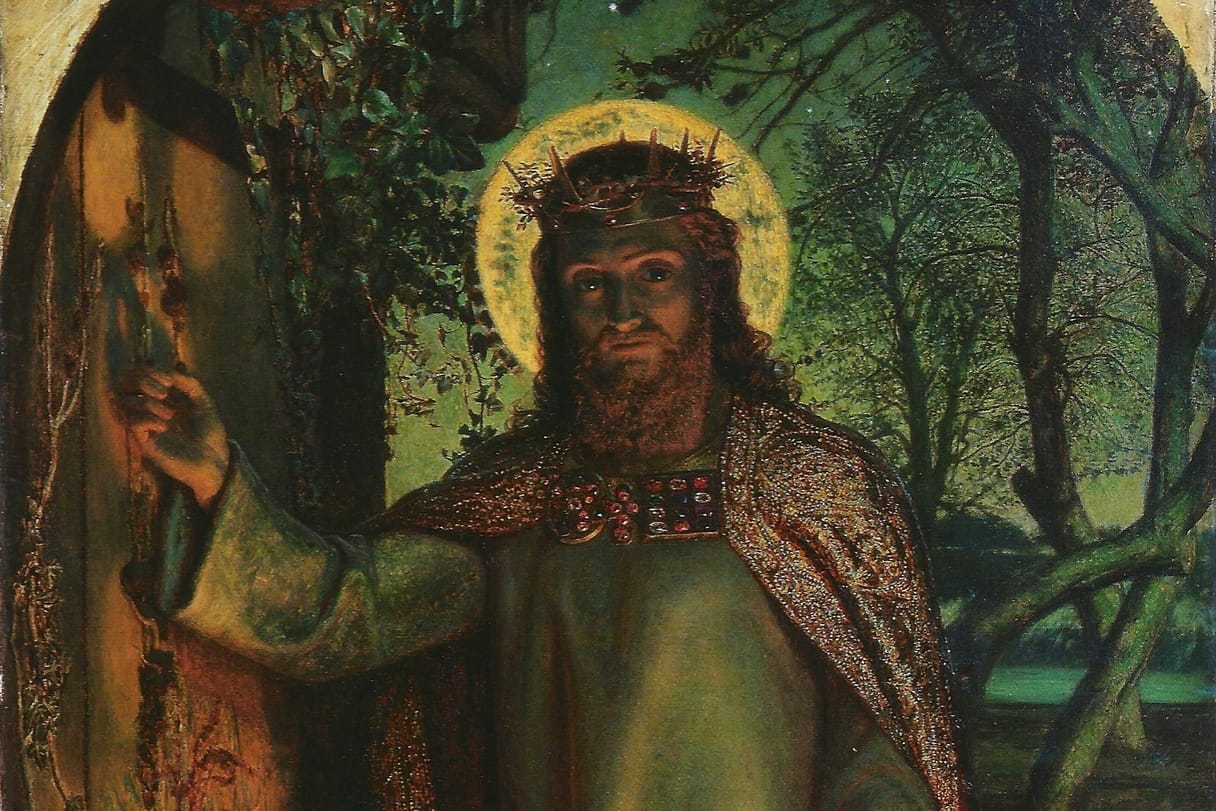
You can experience God, and the longing to do so is itself a sign that God is already drawing you. Christians have always taught that God is near. Paul told the philosophers of Athens that God “is not far from each one of us,” and that “in him we live, move, and have our being” (Acts 17:27–28). The task is to become aware of a presence that is already there, and the church’s way is easy to describe and takes a lifetime to learn: pray, listen to Scripture, worship with others, love your neighbor, and give God time.
Can you really experience God?
Scripture is full of people who met God. Moses heard God speak from a burning bush. Elijah, worn out and afraid, heard “a still small voice” after the wind, the earthquake, and the fire had passed (1 Kings 19:12). Two grieving disciples walking to Emmaus felt their hearts burn as a stranger explained the Scriptures to them, and they recognized the risen Jesus when he broke the bread:
Their eyes were opened and they recognized him; then he vanished out of their sight. They said to one another, “Weren’t our hearts burning within us while he spoke to us along the way, and while he opened the Scriptures to us?”
The psalms invite every reader into the same encounter: “Oh taste and see that the LORD is good” (Psalm 34:8). Through the prophet Jeremiah, God promised the exiles in Babylon, “You shall seek me and find me, when you search for me with all your heart” (Jeremiah 29:13).
What does experiencing God feel like?
For most Christians, experiencing God feels like a growing awareness: peace in the middle of trouble, a verse that suddenly speaks to you, gratitude that rises unbidden, the sense of being known and loved. On the evening of May 24, 1738, John Wesley, who would become the founder of Methodism, went unwillingly to a meeting on Aldersgate Street in London, where someone was reading Martin Luther’s preface to Paul’s letter to the Romans. Wesley wrote in his journal, “I felt my heart strangely warmed.” United Methodists still remember the date as Aldersgate Day.
Anthony Bloom, who led the Russian Orthodox Church in Britain for decades, told of an elderly woman who had prayed faithfully for years without ever sensing God’s presence. Bloom advised her to tidy her room each day, sit down, and knit for fifteen minutes before God without trying to pray in words. At first she just enjoyed the rest. Then she began to notice the stillness of the room, and in the stillness she sensed the presence of God. Bloom told the story in his book Beginning to Pray (1970).
Experiences of God come and go. The saints speak of seasons of dryness, when prayer feels empty and God seems far away, and they keep praying through them. The Christian mystics, from the Desert Fathers to Julian of Norwich, agree that God is present long before anyone feels it (see Christian mysticism).
Where do Christians meet God?
The church points to particular places where God has promised to be found. John Wesley called them the means of grace, and the United Methodist Church still teaches them: prayer, reading and studying the Scriptures, fasting, Holy Communion, and Christian fellowship, along with works of mercy such as visiting the sick and feeding the hungry. Lutherans speak of the Word and the sacraments as the means by which the Holy Spirit creates and strengthens faith.
Many Christians find God most real in worship. Jesus promised, “where two or three are gathered together in my name, there I am in the middle of them” (Matthew 18:20), and the disciples at Emmaus knew him in the breaking of the bread (see what is Holy Communion?).
Others meet God in the neighbor. In Jesus’s parable of the judgment, the King says of every kindness done to the least, “you did it to me” (Matthew 25:40). The First Letter of John goes further: “No one has seen God at any time. If we love one another, God remains in us” (1 John 4:12).
Creation speaks of God as well: “The heavens declare the glory of God” (Psalm 19:1). Marcus Borg, a New Testament scholar, borrowed the Celtic phrase “thin places” for places and moments where “the veil that blinds us to the reality of the sacred momentarily lifts.” A mountain trail, a hospital room, a hymn, or a candlelit service of Taizé prayer can all become thin places.
How can I experience God this week?
These steps come from the long practice of the church. Try them for seven days.
- Set aside ten minutes each morning. Choose a time and a place, put your phone in another room, and begin with the psalmist’s answer to God’s invitation to “seek my face”: “I will seek your face, LORD” (Psalm 27:8).
- Pray a psalm slowly. Psalm 63 and Psalm 139 are good places to start. Read a few verses twice and stop at the line that speaks to you (see how to pray).
- Try a breath prayer on a walk. Pray the Orthodox Jesus Prayer, “Lord Jesus Christ, Son of God, have mercy on me,” in rhythm with your breathing.
- Rest in silence. Spend five minutes in wordless prayer, returning gently to a single word such as “Jesus” or “love” when your mind wanders (see contemplative prayer).
- Worship on Sunday. Go to a congregation, listen to the readings, and receive Holy Communion if your church invites you.
- Do one hidden act of mercy. Visit someone who is lonely, help at a food pantry, or write to someone who is grieving, and tell no one.
- Review the day at night. Ignatius of Loyola, a sixteenth-century Spanish teacher of prayer, taught Christians to look back over each day, notice where they felt God’s love and where they turned away, give thanks, and ask for help.
How do I know it is really God?
Christians have always tested experiences. “Don’t believe every spirit, but test the spirits, whether they are of God,” says the First Letter of John (1 John 4:1). The surest test is fruit. Over time, God’s presence makes a person more loving, humble, and patient, for “the fruit of the Spirit is love, joy, peace, patience, kindness, goodness, faith, gentleness, and self-control” (Galatians 5:22–23). An experience that leaves you proud, frightened, or cut off from others deserves caution.
The Orthodox tradition warns against chasing extraordinary feelings and visions, and its teachers advise beginners to pay such things little attention and keep praying. Share what happens in your prayer with someone wise, such as a pastor or a spiritual director.
Take care of your mind as well. Prayer and good medical care belong together. If you begin hearing voices, cannot sleep for days, feel overwhelming fear, or have thoughts of harming yourself, talk to a doctor or counselor right away; in the United States you can call or text 988 at any hour.
Augustine of Hippo spent years searching for God everywhere except within himself, and he was in his thirties when he finally turned to Christ. If you are seeking God now, God is already closer to you than your own heart. Augustine looked back and prayed:
Too late loved I Thee, O Thou Beauty of ancient days, yet ever new! too late I loved Thee! And behold, Thou wert within, and I abroad, and there I searched for Thee… Thou touchedst me, and I burned for Thy peace.
Augustine, Confessions 10.27, translated by E. B. Pusey
Common questions
Why don’t I feel God’s presence?
Many faithful Christians go through long seasons without feeling God’s presence, including great saints such as John of the Cross, who called such a season the dark night. Feelings come and go, and God’s love holds steady through them. Keep praying, keep worshiping with others, and talk with a pastor or spiritual director. If the numbness comes with a sadness that will not lift, see a doctor as well, because depression can dull every feeling.
Can I experience God without going to church?
God meets people everywhere: in nature, in silence, and in acts of love. Christians also believe God has promised to be present where believers gather, in the Scriptures read aloud and in Holy Communion (Matthew 18:20). Most people who pray alone find that a congregation carries their prayer on the days they cannot pray at all.
What is a thin place?
A thin place is a place or moment where God’s presence feels especially near. The phrase comes from Celtic Christianity. The New Testament scholar Marcus Borg used it for anything that opens the heart to God, including holy places, music, worship, and even a time of illness.
Is it wrong to want spiritual experiences?
Longing for God is good and holy; the psalmist prays, “My soul thirsts for you” (Psalm 63:1). The saints counsel people to seek God, the giver, more than any particular feeling, because God often works without dramatic experiences. Desire for God grows into love when it leads to prayer, worship, and care for others.
Sources
- Acts 17:27–28 (WEB)
- Jeremiah 29:13 (WEB)
- Luke 24:30–32 (WEB)
- Psalm 34:8 (WEB)
- 1 John 4:1, 12 (WEB)
- Galatians 5:22–23 (WEB)
- What is Aldersgate Day? (UMC.org)
- The Wesleyan Means of Grace (UMC.org)
- Ruling elders, spiritual leaders (Presbyterian Church (U.S.A.) News, May 15, 2017), retelling Anthony Bloom’s Beginning to Pray
- Marcus Borg, “Open Hearts and Thin Places” (marcusjborg.org)
- Augustine, Confessions 10.27, translated by E. B. Pusey (CCEL)