The Lord’s Day and the Sabbath
Christians worship on Sunday because the Gospels say Jesus rose from the dead on the first day of the week. The first Christians gathered on Sunday to break bread and called it the Lord’s Day (Acts 20:7; Revelation 1:10). The Sabbath of the Ten Commandments is the seventh day, Saturday, which Jews still keep. Most churches keep Sunday as a weekly feast of the resurrection that also honors the Sabbath’s gift of rest.
On the first day of the week, when the disciples were gathered together to break bread, Paul talked with them.
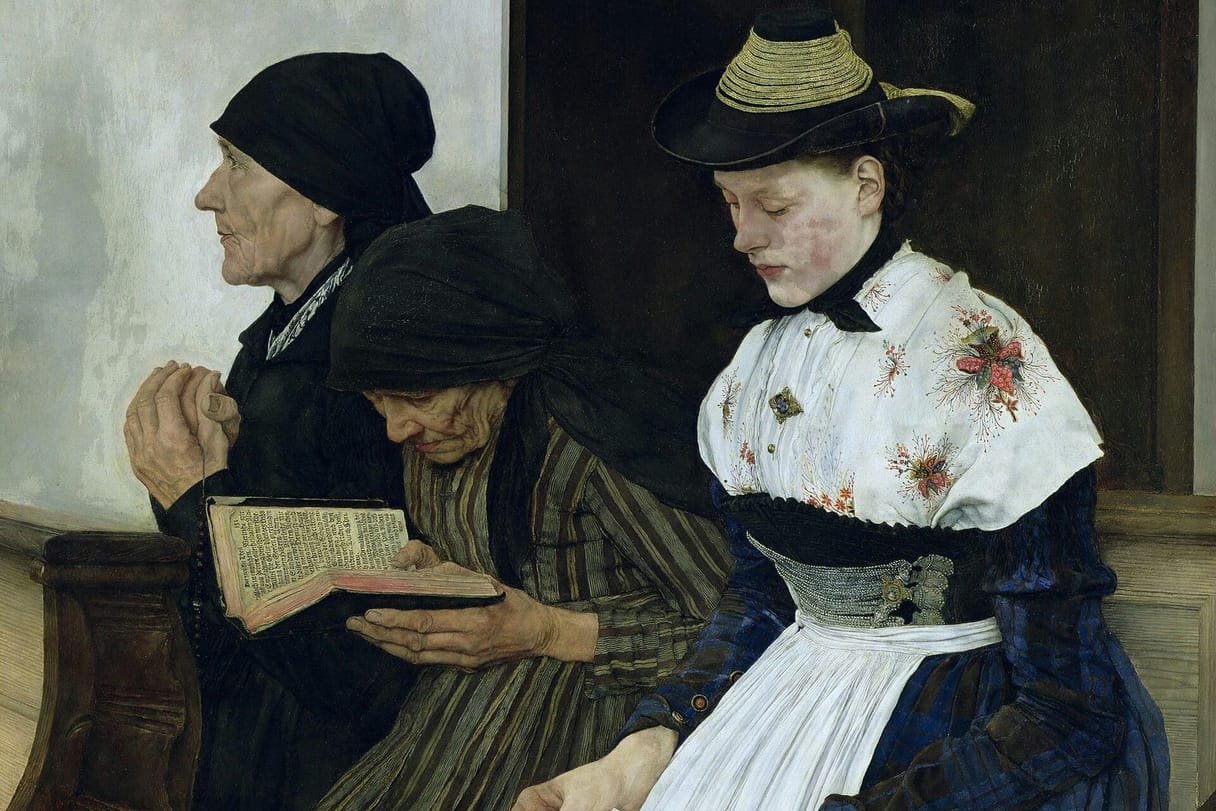
Christians gather on Sunday because the Gospels say that Jesus rose from the dead “very early on the first day of the week” (Mark 16:2). The mainline churches keep every Sunday as a feast of the risen Christ, centered on the reading of Scripture and, in many congregations, on Holy Communion. Orthodox Christians and nearly all other Christians gather on Sunday for the same reason, while Seventh-day Adventists and a few other Christians keep Saturday, the biblical Sabbath, as their day of worship. Behind both days stands God’s gift of rest to people who are tired, a gift that a crowded week makes easy to forget.
What is the Sabbath?
The Sabbath is the seventh day of the week, which in Jewish practice runs from sunset on Friday to sunset on Saturday. The Hebrew word shabbat comes from a verb meaning “to stop” or “to rest.” Genesis says that God “rested on the seventh day from all his work which he had done” and “blessed the seventh day, and made it holy” (Genesis 2:2–3).
The fourth commandment roots the Sabbath in creation:
Remember the Sabbath day, to keep it holy. You shall labor six days, and do all your work, but the seventh day is a Sabbath to the LORD your God. You shall not do any work in it, you, nor your son, nor your daughter, your male servant, nor your female servant, nor your livestock, nor your stranger who is within your gates; for in six days the LORD made heaven and earth, the sea, and all that is in them, and rested the seventh day; therefore the LORD blessed the Sabbath day, and made it holy.
When Deuteronomy repeats the commandment, it gives a second reason. The day off is for servants and foreigners too, “that your male servant and your female servant may rest as well as you,” because Israel had been enslaved: “You shall remember that you were a servant in the land of Egypt” (Deuteronomy 5:14–15). The Sabbath is a gift of rest and a law of justice at once.
How did Jesus keep the Sabbath?
Jesus kept the Sabbath as a faithful Jew. Luke says he went into the synagogue at Nazareth “as was his custom … on the Sabbath day” (Luke 4:16); see Was Jesus Jewish? He also healed people on the Sabbath and defended his hungry disciples for picking grain on the Sabbath. When critics objected, he answered:
The Sabbath was made for people, not people for the Sabbath. Therefore the Son of Man is lord even of the Sabbath.
Mark 2:27–28, translated from the Greek1
Jesus’ words honored the Sabbath by teaching its purpose. The day of rest serves human life and mercy, and rules about the day must never be used against human need.
Why did Christians start worshiping on Sunday?
All four Gospels say the tomb of Jesus was found empty on the first day of the week. On the evening of that same day, the risen Jesus stood among his disciples, and “after eight days,” on the next first day, he came to them again (John 20:19, 26). The church began to gather on the first day of the week:
On the first day of the week, when the disciples were gathered together to break bread, Paul talked with them, intending to depart on the next day; and continued his speech until midnight.
Paul asked the church in Corinth to set money aside for the poor “on the first day of every week” (1 Corinthians 16:2). John received his visions “on the Lord’s day” (Revelation 1:10). The Greek phrase kyriakē hēmera, “the Lord’s day,” is still the name for Sunday in modern Greek, and the Latin dominica gave Sunday its name in Italian, Spanish, and French. In Russian, Sunday is voskresenye, which means “resurrection.”
The earliest writers after the New Testament confirm the practice. The Didache, a church manual from around 100 CE, instructs: “every Lord’s day gather yourselves together, and break bread, and give thanksgiving” (chapter 14). Ignatius of Antioch, writing around 110, said that those “brought up in the ancient order of things” who had come to a new hope in Christ were “no longer observing the Sabbath, but living in the observance of the Lord’s Day” (Magnesians 9). Around 150, Justin Martyr told the Roman emperor that “on the day called Sunday, all who live in cities or in the country gather together to one place” to hear Scripture, pray, and share bread and wine. Justin gave two reasons: God began creation on the first day, and “Jesus Christ our Saviour on the same day rose from the dead” (First Apology 67). For the Sunday meal itself, see What is Holy Communion?
The early church treated every Sunday as a small Easter. The Council of Nicaea in 325 directed that on the Lord’s Day prayer “be made to God standing,” not kneeling (Canon 20), and Basil of Caesarea explained that Christians stand on Sunday to remember that they have risen with Christ. Basil also called Sunday the “eighth” day, a picture of the age to come that has no evening. Eastern Orthodox Christians keep these customs today: they do not kneel in church on Sundays, and they call each Sunday a little Pascha, a weekly Easter.
Did the church change the Sabbath to Sunday?
Most churches teach that Sunday fulfills the Sabbath and carries its meaning forward. Paul told Gentile Christians not to let anyone judge them “with respect to a feast day or a new moon or a Sabbath day,” which he called “a shadow of the things to come” (Colossians 2:16–17). He also wrote that one person “esteems one day as more important” while another “esteems every day alike,” and that each should honor the Lord (Romans 14:5–6). The Orthodox, Anglican, and Lutheran churches keep Sunday as the Lord’s Day, a weekly Easter, and do not treat it as a Sabbath with the old rules moved to a new day.
Some Reformed and Puritan Christians held a stricter view. The Westminster Confession of Faith (1646), which is part of the Presbyterian Church (U.S.A.)’s Book of Confessions, teaches that the Sabbath moved from the last day of the week to the first and calls Sunday “the Christian Sabbath.” In 321 the emperor Constantine ordered courts and city workshops in the Roman Empire to close on Sunday, but by then Christians had already gathered on Sunday for more than two hundred years.
What do Seventh-day Adventists believe about the Sabbath?
Seventh-day Adventists, the largest church that worships on Saturday, teach that God “instituted the Sabbath for all people as a memorial of Creation.” They hold that the fourth commandment was never changed in Scripture and that its holy time should be kept “from evening to evening, sunset to sunset.” Adventists rightly point out that the New Testament contains no command to move the Sabbath, and their careful keeping of a weekly day of rest, worship, and family time is something many other Christians admire. Mainline churches answer that Christians gather on Sunday because of the resurrection, and that Paul left Christians free in the matter of days.
How can Christians keep Sabbath rest today?
The Letter to the Hebrews tells Christians not to give up meeting together: “not forsaking our own assembling together” (Hebrews 10:25). Gathering with your church on Sunday is the first way to honor the day; see Going to church The Sabbath also offers what the modern week often lacks, a whole day free from the rule of work, buying, and selling. Resting is also an act of trust, a weekly reminder that God holds the world and holds you.
You can keep Sabbath rest by putting away your work email and your phone for a day, sharing an unhurried meal, walking outdoors, reading, napping, or visiting someone who is alone. Deuteronomy’s version of the commandment asks one more thing: that your rest not depend on someone else’s overwork. Hebrews promises that “there remains therefore a Sabbath rest for the people of God” (Hebrews 4:9), and every Sunday is a foretaste of that rest. For how Sunday fits into the seasons of the year, see The church year, and for the event every Sunday celebrates, see Did Jesus really rise from the dead?
Each Sunday the church gathers on the day the first disciples found the tomb empty, and each Sunday it can pray the words of Psalm 118, which many churches sing on Easter Day:
This is the day that the LORD has made. We will rejoice and be glad in it!
Notes
-
Greek (SBL Greek New Testament): Τὸ σάββατον διὰ τὸν ἄνθρωπον ἐγένετο καὶ οὐχ ὁ ἄνθρωπος διὰ τὸ σάββατον· ὥστε κύριός ἐστιν ὁ υἱὸς τοῦ ἀνθρώπου καὶ τοῦ σαββάτου. Anthrōpos means a human being of either sex; the WEB renders it “man.” ↩︎
Common questions
Is Sunday the Sabbath?
The Sabbath in the Bible is the seventh day of the week, from sunset on Friday to sunset on Saturday. Sunday is the first day of the week, which the New Testament calls the Lord’s Day. Some Protestant traditions call Sunday “the Christian Sabbath.” Most churches teach that Sunday is a feast of the resurrection that carries forward the Sabbath’s gift of rest and worship.
Who changed the Sabbath to Sunday?
No council or emperor moved the Sabbath to Sunday. Christians began gathering on the first day of the week in New Testament times, because Jesus rose on that day, and writers from about 100 to 150 CE already describe Sunday worship. In 321 the emperor Constantine ordered courts and city workshops to close on Sunday, but Christians had been worshiping on Sunday for more than two centuries by then.
Is it a sin to work on Sunday?
Christians are free to work on Sundays, and many faithful Christians, such as nurses, firefighters, and store clerks, serve their neighbors by doing so. Jesus taught that the Sabbath exists to serve human need (Mark 2:27). If you work on Sundays, you can attend worship on another day or at another hour and set aside a different day for rest.
Why do Seventh-day Adventists worship on Saturday?
Seventh-day Adventists teach that God set apart the seventh day at creation for all people and that the fourth commandment still applies unchanged. Their statement of beliefs says the Sabbath should be kept “from evening to evening, sunset to sunset.” They gather for worship on Saturday and treat the day as a time of rest, family, and service.
Sources
- Exodus 20:8–11 (WEB)
- Deuteronomy 5:12–15 (WEB)
- Mark 2:27–28 (WEB)
- Acts 20:7 (WEB)
- Revelation 1:10 (WEB)
- The Didache, chapter 14 (New Advent)
- Ignatius of Antioch, Letter to the Magnesians 9 (New Advent)
- Justin Martyr, First Apology 67 (New Advent)
- First Council of Nicaea, Canon 20 (New Advent)
- Basil of Caesarea, On the Holy Spirit 27 (New Advent)
- Hebrews 10:24–25 (WEB)
- Psalm 118:24 (WEB)
- What Adventists Believe About the Seventh-day Sabbath (Southwestern Union Record)
.jpg)