Jews, Christians, and Muslims
Jews, Christians, and Muslims each worship one God, the God of Abraham, and many churches teach that they worship the same God while understanding God differently. The United Methodist Church says that Muslims “worship and serve the one God with disciplined devotion,” and Arab Christians call God “Allah” in their Bibles and prayers. The faiths differ on the Trinity and on whether Jesus is the Son of God, and Christians disagree about how much those differences matter.
All the families of the earth will be blessed through you.
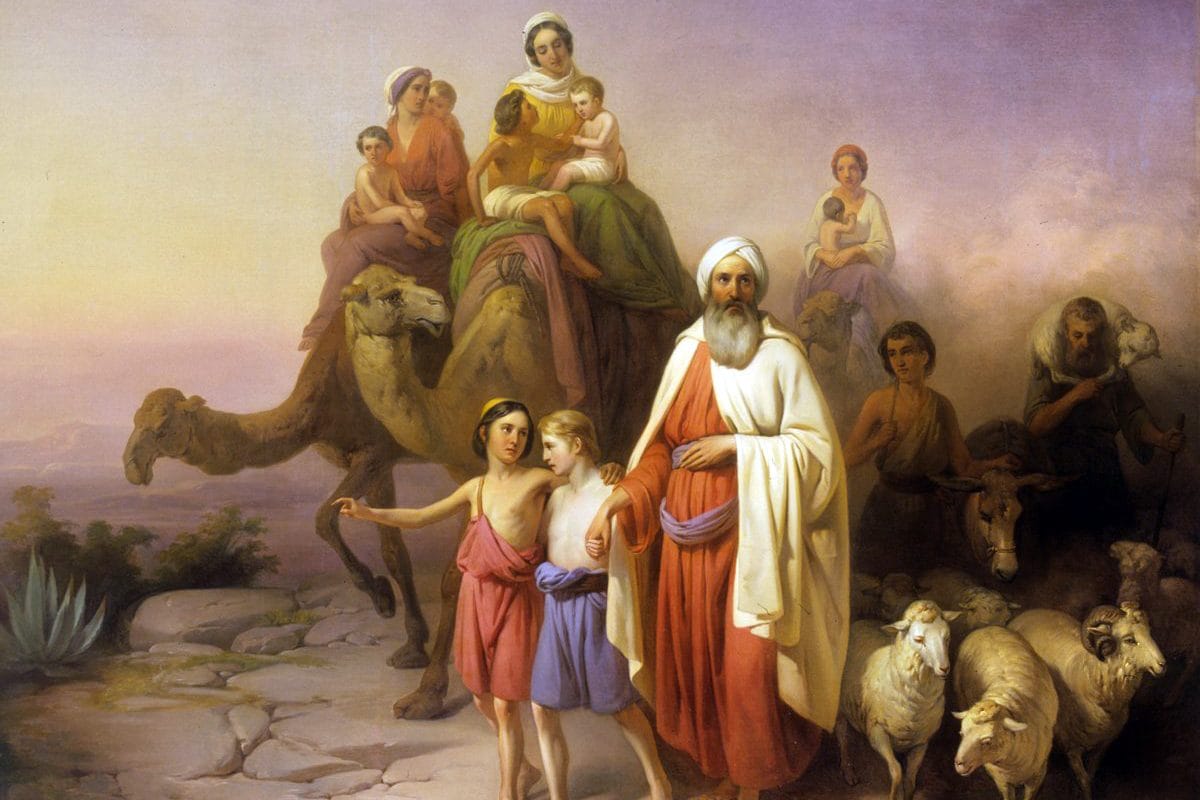
Jews, Christians, and Muslims each worship one God and trace their faith to Abraham. The United Methodist Church says that Muslims “worship and serve the one God with disciplined devotion,” and an Archbishop of Canterbury, the Evangelical Lutheran Church in America (ELCA), and hundreds of other Christian leaders have answered Muslim calls to friendship on the same ground. The three faiths also disagree about God in ways that matter, above all about the Trinity and about whether Jesus is the Son of God. Christians weigh those agreements and differences in different ways, and both sides deserve a fair hearing.
Often the question comes from someone who loves a Muslim or Jewish friend, neighbor, or spouse, and wants to honor that person’s prayers while staying faithful to Christ. Jesus’s two great commandments apply here as everywhere: love God with all your heart, and love your neighbor as yourself.
Who is the God of Abraham?
The Bible’s story of God’s people begins with a call to one man:
Now the LORD said to Abram, “Leave your country, and your relatives, and your father’s house, and go to the land that I will show you. I will make of you a great nation. I will bless you and make your name great. You will be a blessing. I will bless those who bless you, and I will curse him who treats you with contempt. All the families of the earth will be blessed through you.”
From the beginning, God’s promise to Abraham reached past one family to “all the families of the earth.” Jews descend from Abraham through Isaac and Jacob. Genesis also says that God blessed Abraham’s first son, Ishmael, and promised to “make him a great nation” (Genesis 17:20). Muslims honor Abraham, whom the Qur’an calls the friend of God, as a prophet who turned from idols to worship the one God, and Arab tradition traces descent from Ishmael. Paul called Abraham “the father of us all” for everyone who shares his faith (Romans 4:16).
Do Christians and Jews worship the same God?
The churches teach that they do. Jesus was a Jew, and when he was asked for the greatest commandment, he quoted the prayer that Jews still say every day, the Shema:
Jesus answered, “The greatest is: ‘Hear, Israel, the Lord our God, the Lord is one. You shall love the Lord your God with all your heart, with all your soul, with all your mind, and with all your strength.’ This is the first commandment. The second is like this: ‘You shall love your neighbor as yourself.’ There is no other commandment greater than these.”
The Christian Bible includes the Hebrew Scriptures as its Old Testament. In the second century the church rejected Marcion, a teacher who claimed that the God of Israel was a lesser god than the Father of Jesus. For more, see was Jesus Jewish?
Jewish teachers have answered the question in more than one way. The medieval philosopher Maimonides counted Christian worship of Jesus as idolatry, while other rabbis judged Christians more generously. In 2000 more than two hundred rabbis and Jewish scholars signed Dabru Emet (“Speak the truth”), whose first statement is that Jews and Christians worship the same God.
What have the churches said about Muslims?
The United Methodist Church’s resolution “Our Muslim Neighbors,” first adopted in 1992 and readopted in 2024, says that “Muslims worship and serve the one God with disciplined devotion” and that “Christians and Muslims acknowledge common roots, along with Jews, in the faith of Abraham, Sarah, and Hagar.” The resolution asks United Methodists to build friendships with Muslims, to seek dialogue, and to oppose anti-Muslim prejudice.
In 2022 the ELCA’s Church Council adopted “A Declaration of the ELCA to the Muslim Community,” committing the church to friendship and solidarity with Muslim neighbors. The Orthodox churches of Antioch and Jerusalem, whose people have lived beside Muslims for fourteen centuries, worship largely in Arabic and have long addressed God by the same Arabic name that Muslims use.
What was “A Common Word Between Us and You”?
In October 2007, 138 Muslim scholars and leaders sent an open letter called “A Common Word Between Us and You” to Christian leaders around the world, among them the pope, the Orthodox patriarchs, and the Archbishop of Canterbury. Quoting both the Qur’an and the Bible, the letter argued that love of the one God and love of neighbor are the two central commandments for Muslims and Christians alike.
Christians answered. A response written at Yale Divinity School, “Loving God and Neighbor Together,” was endorsed by more than 300 Christian leaders. Rowan Williams, then Archbishop of Canterbury, wrote a reply in 2008, “A Common Word for the Common Good.” Jesus himself named the same two commandments as the center of the law; see what is the greatest commandment?
How do Christians and Muslims differ about God?
Christians confess one God in three persons, Father, Son, and Holy Spirit (see what is the Trinity?). Islam teaches that God is one in a way that rules out the Trinity. The Qur’an says that God “begets not” and warns Christians not to say “Three” (Surah 112 and Surah 4:171). Muslims honor Jesus as a prophet and as the Messiah, born of the Virgin Mary, yet they do not believe he is God’s Son, and the Qur’an says that he was not crucified (Surah 4:157).
For these reasons some Christian theologians, many of them evangelical, conclude that Muslims do not worship the same God. They want to guard what Christians have received about God in Jesus Christ. In their view the God Christians know is the Father, Son, and Holy Spirit, so a God described without the Son is a different God.
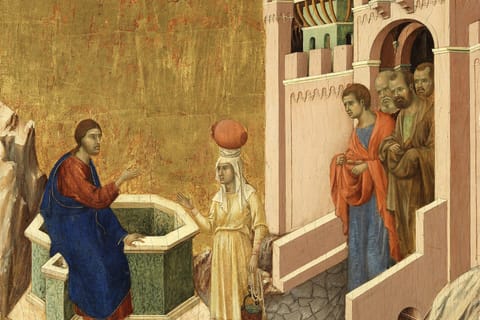
Other Christians, including the United Methodist Church in its resolution on Muslim neighbors, answer that there is only one Creator, so anyone who worships the one Creator of heaven and earth is worshiping the same God, however incompletely they know him. The New Testament offers examples of this kind of reasoning. Jesus told a Samaritan woman, whose people worshiped the God of Israel in their own way, “You worship that which you don’t know” (John 4:22), and then he went on talking with her. In Athens Paul pointed to an altar “TO AN UNKNOWN GOD” and said:
What therefore you worship in ignorance, I announce to you.
Saying that Muslims worship the same God leaves open many questions about Jesus and about salvation. The churches still proclaim that God has made himself known in Jesus Christ; see is Jesus the only way to God?
Why do Arab Christians call God “Allah”?
Allah is the ordinary Arabic word for God, related to the Hebrew Elohim and the Aramaic Elaha. Arabic-speaking Christians and Jews use it, and Christians in the Arab world used it before the rise of Islam. Arabic translations of the Bible use Allah in Genesis 1:1, and Arab Christians in Egypt, Lebanon, Syria, Iraq, Jordan, and the Holy Land pray to Allah the Father, Son, and Holy Spirit. A word for God in another language no more makes a different God than the French Dieu or the Spanish Dios does.
How can Christians love their Muslim and Jewish neighbors?
Christians who disagree about the theological question can still agree about love. In 1219, during the Fifth Crusade, Francis of Assisi crossed the lines at Damietta in Egypt to speak with Sultan al-Kamil. A prayer long attributed to Francis, now printed in the prayer books and hymnals of many churches, asks for the grace to be a peacemaker:
Lord, make us instruments of your peace. Where there is hatred, let us sow love; where there is injury, pardon; where there is discord, union; where there is doubt, faith; where there is despair, hope; where there is darkness, light; where there is sadness, joy.
A Prayer attributed to St. Francis, Book of Common Prayer (1979), p. 833
Common questions
Is Allah a different god from the God of the Bible?
Allah is the ordinary Arabic word for God, and Arabic-speaking Christians and Jews use it too. Arabic translations of the Bible use it in the first verse of Genesis, and Arab Christians pray to Allah the Father, Son, and Holy Spirit. Whether Muslims and Christians understand God in the same way is a separate question from the word itself.
Do Muslims believe in Jesus?
Muslims honor Jesus as a great prophet and as the Messiah, born of the Virgin Mary, and the Qur’an names a chapter after Mary. Muslims do not believe that Jesus is the Son of God or that he died on the cross. Christians and Muslims therefore share reverence for Jesus while disagreeing about who he is.
Do Jews believe Christians worship the same God?
Jewish teachers have disagreed. The medieval philosopher Maimonides counted Christian worship of Jesus as idolatry, while other rabbis judged more generously. In 2000 more than two hundred rabbis and Jewish scholars signed a statement called Dabru Emet, whose first affirmation is that Jews and Christians worship the same God.
Can Christians pray with Muslims and Jews?
Many churches encourage Christians to pray in the presence of Jewish and Muslim neighbors and to stand with them in times of grief or danger. Christians usually pray in their own words, in the name of Christ, while respecting the prayers of others.
Sources
- Genesis 12:1–3 (WEB)
- Genesis 17:20 (WEB)
- Mark 12:29–31 (WEB)
- John 4:22 (WEB)
- Acts 17:23 (WEB)
- The United Methodist Church, Book of Resolutions: Our Muslim Neighbors
- Muslims point to common ground (Christian Century, 2007)
- A Common Word: the Yale response, Loving God and Neighbor Together
- Comments on “A Common Word for the Common Good” by the Archbishop of Canterbury, Rowan Williams
- ELCA Church Council adopts declaration to the Muslim community (ELCA news, April 6, 2022)
- Allah (Wikipedia)
- Siena College, Saint Francis and the Sultan
- Book of Common Prayer (1979), Prayers and Thanksgivings, 62: A Prayer attributed to St. Francis