God’s forgiveness
God will forgive you if you turn to God and ask for forgiveness. Scripture promises, “If we confess our sins, he who is faithful and just will forgive us our sins” (1 John 1:9). God’s mercy is greater than any sin, and David, Peter, and Paul all did grave wrong and were forgiven. Forgiveness is God’s free gift. You can receive it in private prayer, in the confession at church, or in confession with a priest.
If we confess our sins, he who is faithful and just will forgive us our sins and cleanse us from all unrighteousness.
1 John 1:9, NRSVUE
If you are asking whether God will forgive you, you may be carrying something heavy: a wrong you cannot undo, a habit you cannot seem to break, or a shame you have never told anyone. Scripture’s answer is that God will forgive you when you turn to God and ask, and that God’s mercy is wider than anything you have done. “If we confess our sins, he is faithful and righteous to forgive us the sins and to cleanse us from all unrighteousness” (1 John 1:9).
What does the Bible say about God’s forgiveness?
The whole Bible describes God as quick to forgive. The psalms say:
He does not deal with us according to our sins nor repay us according to our iniquities. For as the heavens are high above the earth, so great is his steadfast love toward those who fear him; as far as the east is from the west, so far he removes our transgressions from us.
Psalm 103:10–12, NRSVUE
The prophet Micah asks, “Who is a God like you, who pardons iniquity,” and answers that God “doesn’t retain his anger forever, because he delights in loving kindness.” He tells God, “You will cast all their sins into the depths of the sea” (Micah 7:18–19). Through Isaiah, God says, “I, even I, am he who blots out your transgressions for my own sake; and I will not remember your sins” (Isaiah 43:25).
Jesus’s clearest picture of forgiveness is the parable of the prodigal son. A young man demands his inheritance, wastes it, and comes home hoping only to be hired as a servant. His father sees him from far off:
So he set off and went to his father. But while he was still far off, his father saw him and was filled with compassion; he ran and put his arms around him and kissed him.
Luke 15:20, NRSVUE
The son begins his rehearsed speech, and before he can ask to be a servant, the father calls for the best robe, a ring, and sandals (Luke 15:21–22). The father forgives before the son finishes apologizing. Jesus told the story so that you would know how God waits for you.
Is any sin too big for God to forgive?
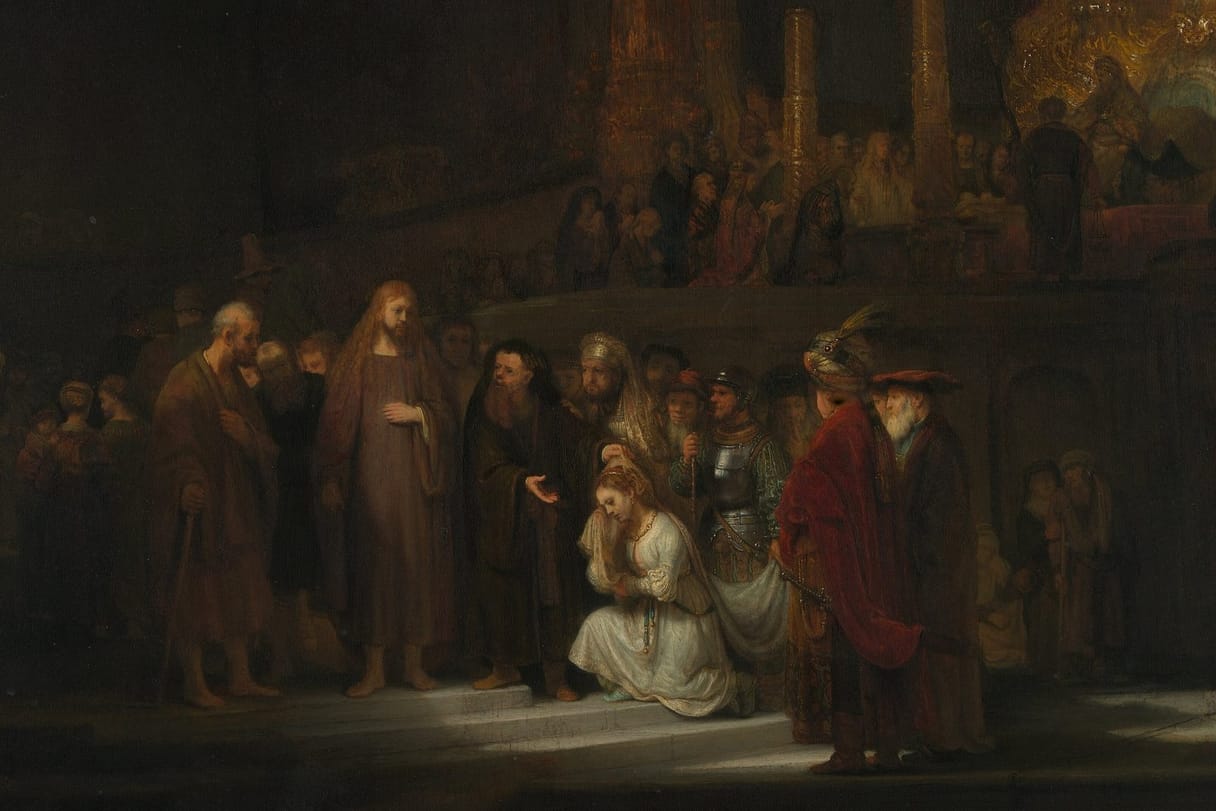
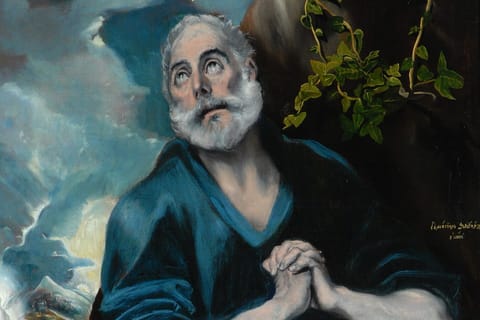
God’s mercy is bigger than any sin you have committed. The Bible’s heroes include people who did terrible things. King David committed adultery with Bathsheba and arranged her husband’s death; when the prophet Nathan confronted him, David said, “I have sinned against the LORD,” and Nathan answered, “The LORD also has put away your sin” (2 Samuel 12:13). Peter denied Jesus three times on the night of his arrest, and the risen Christ gave him charge of his flock (John 21:15–17). Paul wrote that “beyond measure I persecuted the assembly of God and ravaged it” (Galatians 1:13), and he became one of the church’s greatest missionaries.
On the cross, a condemned criminal asked only, “Lord, remember me when you come into your Kingdom,” and Jesus replied, “Assuredly I tell you, today you will be with me in Paradise” (Luke 23:42–43).
Jesus did say that whoever blasphemes against the Holy Spirit “never has forgiveness” (Mark 3:29), and many people fear they have committed it. If you are worried about that, read What is the unforgivable sin? The short answer is that anyone who wants God’s forgiveness has not committed it.
What do I need to do to be forgiven?
You need to turn to God with an open heart. The Bible calls this repentance, which means turning around: admitting what you did, being sorry for it, and intending to live differently. You do not need perfect words. The tax collector in Jesus’s parable prayed only, “God, be merciful to me, a sinner!” (Luke 18:13). Psalm 51, the Bible’s great prayer of repentance, says that God will not despise “a broken and contrite heart” (Psalm 51:17).
Where you have wronged another person, repentance includes trying to make things right. When the tax collector Zacchaeus met Jesus, he promised, “If I have wrongfully exacted anything of anyone, I restore four times as much” (Luke 19:8). Making amends is a response to forgiveness, and God’s forgiveness does not wait for it to be finished.
Jesus also ties receiving forgiveness to offering it: “For if you forgive men their trespasses, your heavenly Father will also forgive you” (Matthew 6:14). Forgiving someone who hurt you can take years, and it never requires staying in danger or reconciling with someone who abused you. See Do I have to forgive someone who hurt me?
How do Christians confess their sins?
You can confess to God in private prayer at any time. Most churches also include a confession in Sunday worship. A prayer of confession from the Book of Common Prayer, which Lutheran worship books echo closely, begins:
“Most merciful God, we confess that we have sinned against you in thought, word, and deed, by what we have done, and by what we have left undone.”
The pastor or priest then declares God’s forgiveness to the whole congregation.
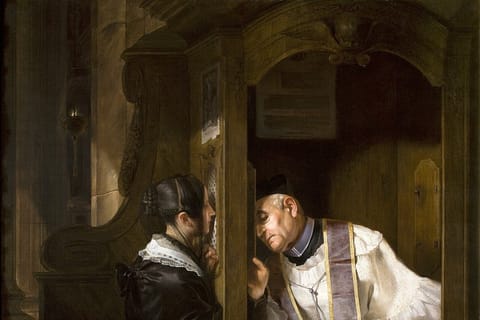
Lutheran and Anglican worship books also include a rite of private confession for anyone who wants it, and pastors in all the mainline churches will hear a confession in confidence and pray with you. Afterward the pastor or priest declares that God has forgiven you, echoing Nathan’s words to David. Many people find that hearing those words aloud lets them believe them.
In the Eastern Orthodox churches, a person usually confesses standing before an icon of Christ, with the priest at their side. The priest reminds the penitent that Christ is present, unseen, to receive the confession, and that the priest is only a witness. Orthodox Christians speak of confession as a visit to a physician, following Jesus’s words: “Those who are healthy have no need for a physician, but those who are sick” (Mark 2:17). See Do I have to confess my sins to a priest?
Why do I still feel guilty after asking forgiveness?
Feelings often lag behind the truth. God’s forgiveness rests on God’s promise, which holds firm on the days when you cannot feel it. The First Letter of John speaks directly to this: “if our heart condemns us, God is greater than our heart, and knows all things” (1 John 3:20). Paul writes, “There is therefore now no condemnation to those who are in Christ Jesus” (Romans 8:1).
Some consequences of sin may remain after forgiveness, such as a broken trust that takes time to rebuild. Forgiveness means that God holds nothing against you. If guilt keeps returning long after you have confessed, talk with a priest or pastor, and consider talking with a counselor; lingering guilt can be a sign of anxiety or depression, which are illnesses that deserve care like any other. Above all, remember that God has already run out to meet you. See Does God love me?
Martin Luther’s evening prayer from the Small Catechism places the day, sins and all, into God’s hands, and it can be yours tonight:
I thank Thee, my Heavenly Father, through Jesus Christ, Thy dear Son, that Thou hast graciously kept me this day, and I pray Thee to forgive me all my sins, where I have done wrong, and graciously keep me this night. For into Thy hands I commend myself, my body and soul, and all things. Let Thy holy angel be with me, that the Wicked Foe may have no power over me. Amen.
Martin Luther, Evening Prayer, Small Catechism (Triglot translation, 1921)
Common questions
Will God forgive me if I keep committing the same sin?
Yes. When Peter asked how often he should forgive, Jesus answered, “I don’t tell you until seven times, but, until seventy times seven” (Matthew 18:22), and God’s mercy is greater than ours. Keep confessing and keep asking for help to change. A priest, pastor, counselor, or support group can help with sins that have become habits or addictions.
How do I know God has forgiven me?
You can know because God has promised it, even on days when you do not feel it. The First Letter of John says that “God is greater than our heart” (1 John 3:20). A pastor or priest can also declare God’s forgiveness to you in words you can hear, as the prophet Nathan did for King David: “The LORD also has put away your sin” (2 Samuel 12:13).
Do I have to forgive others to be forgiven?
Jesus teaches that receiving forgiveness and offering it belong together (Matthew 6:14–15). Forgiving someone who hurt you can take a long time, and it never requires you to stay in danger or to keep silent about abuse. God meets you where you are and helps you as you try.
What is the prayer for forgiveness in the Bible?
Psalm 51 is the Bible’s great prayer of repentance, traditionally linked with King David. It begins, “Have mercy on me, God, according to your loving kindness.” The tax collector in Jesus’s parable prayed only, “God, be merciful to me, a sinner!” (Luke 18:13), and Jesus said he went home justified.





.jpg)