Creation care and climate change
The Bible teaches that the earth belongs to God and that human beings were placed in the garden “to cultivate and keep it” (Genesis 2:15). The ELCA, the PC(USA), the United Methodist Church, and the Episcopal Church all teach that caring for creation is part of Christian faith, and that responding to climate change is a way of loving God’s world and the neighbors who suffer when the land is harmed.
The earth is the LORD’s, with its fullness; the world, and those who dwell in it.
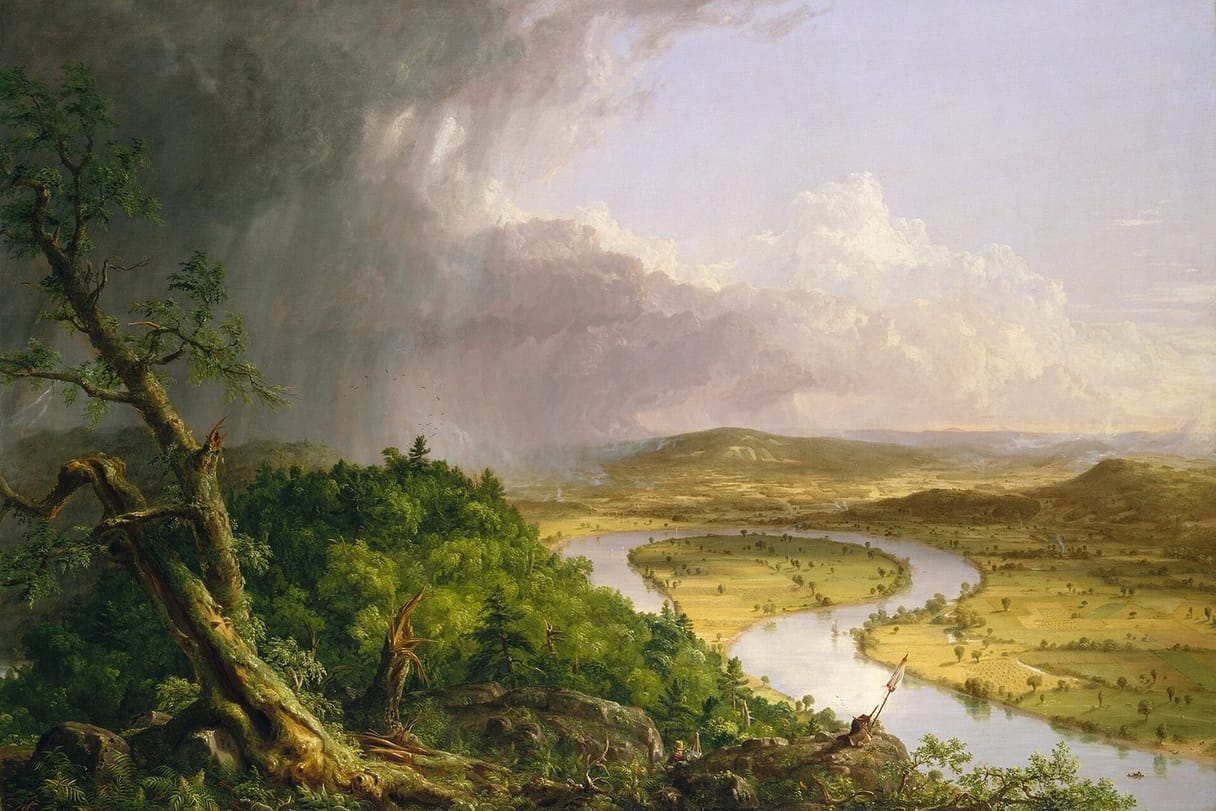
The Bible teaches that the world belongs to God and that human beings are entrusted with its care. If you have watched summers grow hotter, or worried about the world your children will inherit, Scripture meets that concern with a vision that is older than any headline. God made the earth, called it good, and placed people in it to tend it. The mainline churches, from the Evangelical Lutheran Church in America (ELCA) and the Presbyterian Church (U.S.A.) to the United Methodist Church and the Episcopal Church, teach that caring for creation, including the climate, belongs to the Christian life.
What does the Bible say about caring for the earth?
The first chapter of the Bible ends with God looking over all that has been made: “God saw everything that he had made, and, behold, it was very good” (Genesis 1:31). Creation is good before human beings make any use of it (see Adam and Eve and the stories of Genesis). The psalms sing the same faith:
The earth is the LORD’s, with its fullness; the world, and those who dwell in it.
The second chapter of Genesis gives the first human a task. “The LORD God took the man, and put him into the garden of Eden to cultivate and keep it” (Genesis 2:15). The two Hebrew verbs are worth knowing. Avad means to work or till, and it is also the word for serving. Shamar means to keep or guard, and it is the verb of the priestly blessing, “The LORD bless you, and keep you” (Numbers 6:24). Human beings are asked to keep the garden the way God keeps them.
The Torah also reminds Israel who owns the land. “The land is mine,” God says, “for you are strangers and live as foreigners with me” (Leviticus 25:23). Every seventh year the fields were to lie fallow, “a Sabbath of solemn rest for the land” (Leviticus 25:4). After the flood, God made a covenant with Noah and “every living creature” and set the rainbow in the cloud as its sign (Genesis 9:12–13).
Does “dominion” mean people can use the earth however they want?
In Genesis 1:28 God tells the first humans to “subdue” the earth and to “have dominion” over the fish, the birds, and every living thing. Some Christians have read these words as permission to use the world as they please, and the verse has been quoted that way for centuries.
Many interpreters today, in the mainline churches and beyond them, read Genesis 1 and 2 together. The same human beings who receive dominion are placed in the garden to serve it and guard it. The Bible pictures good rule as care for those under one’s authority, and the prophet Ezekiel condemns the shepherds of Israel who “ruled over them with force and with rigor” (Ezekiel 34:4). Dominion, on that reading, is a trust given by the Creator, to be exercised the way God rules, with patience and love.
Does the Bible say anything about climate change?
The Bible does not speak of climate change, which its authors had no way of knowing about. It does connect the health of the land with the faithfulness of the people who live on it. The prophet Hosea saw a land full of lying, violence, and theft, and he said that because of these things “the land will mourn,” with the animals, the birds, and the fish of the sea (Hosea 4:1–3).
Christians bring that biblical vision to the evidence that scientists gather today. The Intergovernmental Panel on Climate Change, the United Nations body that reviews climate research, concluded in 2021: “It is unequivocal that human influence has warmed the atmosphere, ocean and land.” The panel’s later synthesis report found that the communities that contributed least to the warming are often hit hardest by it. For that reason the churches treat creation care as a matter of love for neighbor as well as reverence for the Creator (see what the Bible says about the poor).
Christians who share the conviction that the earth is the Lord’s still disagree, in good faith, about which policies serve it best and how to weigh the costs to workers and families. Underneath those debates lies a duty that Christians of every view can share: to receive the world as a gift and to hand it on with care.
Why do Christians pray for creation on September 1?
The Orthodox Church begins its church year on September 1. In 1989 Ecumenical Patriarch Dimitrios of Constantinople proclaimed that day a Day of Prayer for Creation for the Orthodox churches. His successor, Ecumenical Patriarch Bartholomew, has made the care of creation so central to his ministry that he is known as the “Green Patriarch.” Speaking in Santa Barbara, California, in 1997, he said: “To commit a crime against the natural environment, against the natural world, is a sin.” He has called Christians to what he names “ecological repentance,” a change of heart and of habits toward the world God made.
Other churches took up the day of prayer, and many now keep a Season of Creation from September 1 to October 4, the feast of Francis of Assisi, who praised God for “Brother Sun” and “Sister Moon.” Many mainline congregations use the season for prayers and sermons on the goodness of creation (see the church year).
Behind the season stands a hope as wide as the world. Paul wrote that the whole creation is waiting for God’s healing:
For the creation waits with eager expectation for the children of God to be revealed. For the creation was subjected to vanity, not of its own will, but because of him who subjected it, in hope that the creation itself also will be delivered from the bondage of decay into the liberty of the glory of the children of God. For we know that the whole creation groans and travails in pain together until now.
The letter to the Colossians says that God was pleased through Christ “to reconcile all things to himself,” “whether things on the earth or things in the heavens” (Colossians 1:20).
What do the mainline churches teach about climate change?
The mainline churches each teach that care for creation is part of faithful discipleship. The ELCA’s Churchwide Assembly adopted the social statement Caring for Creation: Vision, Hope, and Justice in 1993, and it remains the church’s teaching document on the environment.
In 2022 the General Assembly of the Presbyterian Church (U.S.A.) voted to divest from five oil and gas companies, and in 2024 it chose continued engagement with greenhouse gas emitters over full divestment from fossil fuels, while urging alignment with the goals of the Paris Agreement. The United Methodist Social Principles state that “global warming and climate change are already creating extreme conditions that threaten the entirety of life on earth.” The Episcopal Church’s General Convention voted in 2015 to divest from fossil fuel companies, and the church announced in December 2024 that it had completed that divestment.
How can I care for creation in my own life?
Care for creation begins with gratitude: a blessing before meals, a walk where you notice the trees and the birds, a Sabbath day that rests from buying and producing. Jesus told his anxious followers to “consider the lilies of the field, how they grow” (Matthew 6:28). Attention to creation is itself a kind of prayer.
From there it reaches into ordinary choices about how you travel, eat, and spend, and into the life of your congregation, which may plant a garden, care for its land, or join neighbors in protecting a river. If worry about the future weighs on you, remember that the world rests in the hands of the God who made it (see anxiety and faith). Christians work for the healing of the earth in hope, trusting the One who says, “Behold, I am making all things new” (Revelation 21:5).
The psalmist looked at the hills, the seas, and the creatures that fill them and could only praise: “LORD, how many are your works! In wisdom, you have made them all. The earth is full of your riches” (Psalm 104:24). To care for the earth is to share in God’s own delight in it, and to keep for others the gifts that were first given to us.
Common questions
Does the Bible mention climate change?
The Bible does not mention climate change, which its writers could not have known about. It does teach that the earth belongs to God, that human beings are to tend and keep it, and that the land suffers when people act unjustly (Hosea 4:1–3). Christians apply those teachings to the evidence that scientists gather today.
What does dominion mean in Genesis 1:28?
Dominion in Genesis 1:28 is the authority God gives human beings over the other creatures. Many interpreters read it together with Genesis 2:15, where the first human is placed in the garden to cultivate and keep it, and with the Bible’s picture of good rule as care for the weak. On that reading, dominion is a trust to be exercised the way God rules, with care.
What is the Season of Creation?
The Season of Creation runs from September 1 to October 4, the feast of Francis of Assisi. It grew out of the Day of Prayer for Creation that Ecumenical Patriarch Dimitrios proclaimed for the Orthodox Church in 1989. Many churches now use the season for prayers, hymns, and sermons on care for the earth.
Is it a sin to harm the environment?
Ecumenical Patriarch Bartholomew of Constantinople told an audience in Santa Barbara, California, in 1997 that to commit a crime against the natural world is a sin. The mainline churches speak in similar terms of repentance and of care for creation as part of discipleship. Most Christians would say that careless or greedy harm to God’s creation is a failure of love toward God and neighbor.
Sources
- Genesis 2:15 (WEB)
- Genesis 1:28–31 (WEB)
- Psalm 24:1 (WEB)
- Romans 8:19–22 (WEB)
- Colossians 1:19–20 (WEB)
- Hosea 4:1–3 (WEB)
- IPCC, Climate Change 2021: The Physical Science Basis, Summary for Policymakers
- IPCC, Climate Change 2023: Synthesis Report, Summary for Policymakers
- The wide embrace of Ecumenical Patriarch Bartholomew (Templeton Prize, 2025)
- The Season of Creation: A History of Ecumenical and Environmental Commitment (Middle East Council of Churches, 2024)
- ELCA social statement, Caring for Creation: Vision, Hope, and Justice (1993)
- GA226 reverses course, commits to working for a fossil-free future without full divestment (Presbyterian Outlook, 2024)
- United Methodist Social Principles: The Natural World
- Episcopal Church completes divestment from fossil fuel industry (Episcopal News Service, 2024)



.jpg)