Marijuana and Christian faith
The Bible never mentions marijuana, so no verse names it a sin. Christians weigh it by principles Scripture does teach: keep a clear and watchful mind (1 Thessalonians 5:6–8), do not be ruled by anything (1 Corinthians 6:12), obey just laws, and do not harm others. Where marijuana is illegal, Christians should obey the law. Where it is legal, recreational use is a matter of conscience, and many churches urge abstaining. Medical use under a doctor’s care is widely accepted.
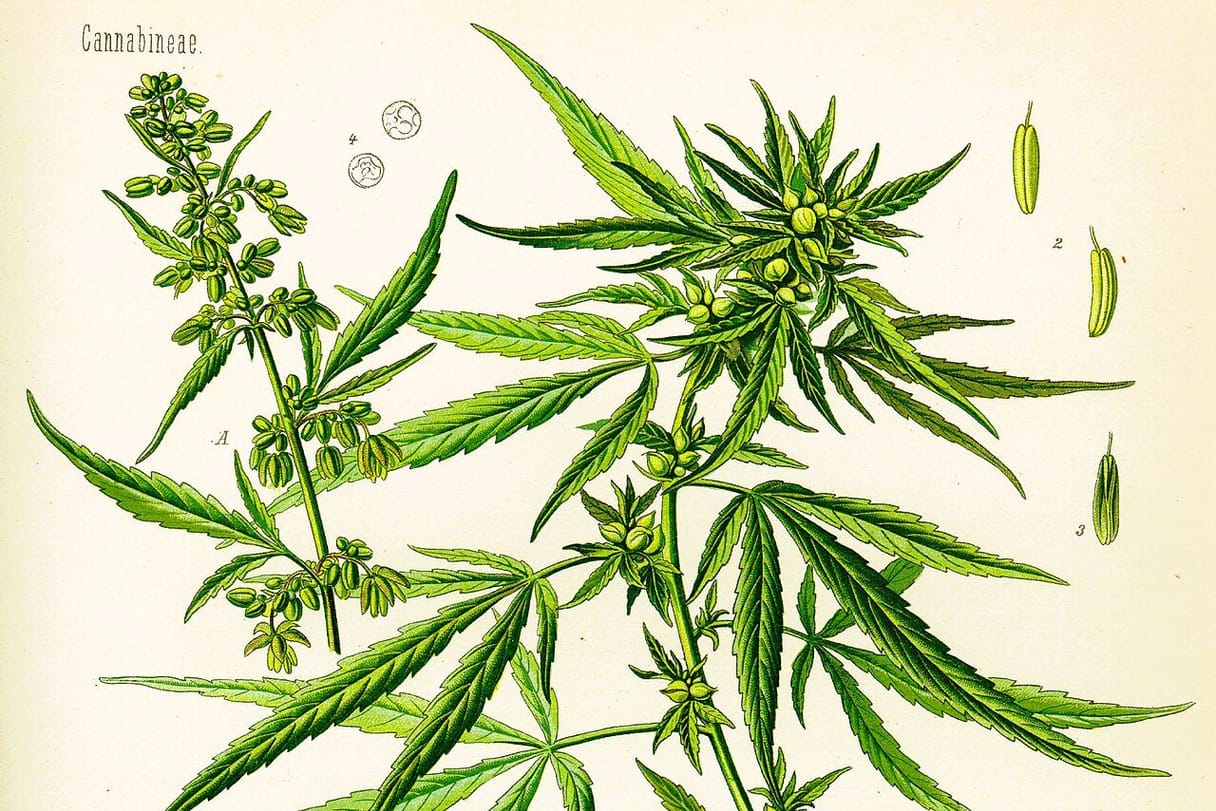
The Bible never mentions marijuana, and Christians who ask about it are usually asking something deeper: how to live with a clear mind, a free heart, and love for the people around them. If you use marijuana and feel uneasy about it, or someone you love does, you can bring that question to God without fear. Scripture’s teaching about a clear mind, freedom from compulsion, obedience to just laws, and care for others gives a fairly clear answer.
Using marijuana where it is illegal is wrong. Getting high as a habit runs against Scripture’s call to a clear and watchful mind, in the same way that getting drunk does. Medical use under a doctor’s care is a different matter, and the mainline churches that have spoken to it, such as the United Methodist Church and the Episcopal Church, accept it. Where recreational use is legal, the decision belongs to your conscience before God, and many churches counsel abstaining.
If marijuana or any other drug has become hard to stop, SAMHSA’s National Helpline is free, confidential, and open every day: 1-800-662-4357.
Does the Bible mention marijuana?
The Bible mentions wine and strong drink, and it says nothing about cannabis. People on both sides sometimes stretch verses to fill the gap. Some quote God’s words in Genesis, “Behold, I have given you every herb yielding seed, which is on the surface of all the earth” (Genesis 1:29), as if the verse approved marijuana. Genesis 1:29 is about God’s gift of food, and it does not settle how any particular plant should be used.
The wiser path is to reason from what Scripture does teach about the mind, the body, freedom, and love of neighbor, as Christians have long done with questions the Bible does not address directly.
What does the Bible say about a sober mind?
The New Testament asks Christians again and again to stay alert and clear-headed. Paul wrote to the church in Thessalonica:
So, then, let us not fall asleep as others do, but let us keep awake and be sober, for those who sleep sleep at night, and those who are drunk get drunk at night. But since we belong to the day, let us be sober and put on the breastplate of faith and love and for a helmet the hope of salvation.
1 Thessalonians 5:6–8, NRSVUE
The First Letter of Peter gives a similar warning: “Be sober and self-controlled. Be watchful. Your adversary, the devil, walks around like a roaring lion, seeking whom he may devour” (1 Peter 5:8). Jesus taught that the greatest commandment is to love God “with all your heart, with all your soul, with all your mind, and with all your strength” (Mark 12:30), and self-control is one of the fruits of the Spirit (Galatians 5:22–23).
None of these passages names marijuana. All of them describe a life in which the mind stays awake to God and to other people, ready to pray, to notice, and to love. Being high, like being drunk, dulls that alertness, and a habit of getting high can slowly crowd out prayer, work, and attention to the people you love.
Is it a sin if it is legal?
Where marijuana is illegal, Christians should obey the law. Paul wrote, “Let every soul be in subjection to the higher authorities” (Romans 13:1). Christians may work to change laws they think unjust, and working to change a law is a different thing from breaking it for your own pleasure.
Where marijuana is legal, the question becomes one of conscience and love. Paul’s teaching about disputed foods, in his letters to the churches in Corinth and Rome, gives the pattern. He insisted on Christian freedom, and he set two limits on it:
“All things are permitted for me,” but not all things are beneficial. “All things are permitted for me,” but I will not be dominated by anything.
1 Corinthians 6:12, NRSVUE
The first limit is mastery: if you cannot go without marijuana, it has become your master. The second limit is your neighbor. Paul told the Romans to resolve “that no man put a stumbling block in his brother’s way, or an occasion for falling” (Romans 14:13). Using marijuana around teenagers, around a friend in recovery, or before driving puts that stumbling block in a neighbor’s way. Paul also warned against acting against your own conscience: “whatever is not of faith is sin” (Romans 14:23). If you believe it is wrong for you, it is wrong for you.
Is medical marijuana a sin?
Using a medicine to relieve pain or treat illness, under the care of a doctor, honors the body God has given you. Christians have long received medicine as one of the ways God heals. The Wisdom of Ben Sira, a book of the Apocrypha, says, “The Lord created medicines out of the earth” (Sirach 38:4).
The United Methodist Church acknowledges that marijuana may have medical benefits and accepts its use when legally prescribed. In 1982 the Episcopal Church’s General Convention urged Congress and the states to permit “the therapeutic use of marijuana” when “deemed medically appropriate by duly licensed medical practitioners” (Resolution 1982-B004). Your doctor is the right person to advise you about any treatment.
What do the churches teach about marijuana?
Among the mainline churches, the United Methodist Church and the Episcopal Church have both spoken to marijuana. Both accept medical use, and they differ in tone on recreational use. The United Methodist Church “urges all persons to abstain from all use of marijuana” except for legally prescribed medical purposes. The Episcopal Church has issued no rule for individual members; its 1982 resolution warned of harmful effects “which can be permanently disabling,” especially for young people. Many evangelical churches teach that recreational use is wrong, out of care for the clear mind Scripture asks of every Christian.
Marijuana, like alcohol, can be weighed by the same tests: legality, a clear mind, freedom from compulsion, and love of neighbor. Some Christians who live where it is legal will conclude in good conscience that occasional use is permitted to them. Many will conclude that abstaining is the wiser and freer path. Paul’s counsel to both groups still holds: neither should despise the other (Romans 14:3).
What if you cannot stop?
Dependence on marijuana is real, and naming it is the first step toward freedom. If you use more than you mean to, cannot stop when you try, or find that it is hurting your work, school, or relationships, call SAMHSA’s National Helpline at 1-800-662-HELP (4357). It offers free, confidential treatment referrals in English and Spanish, 24 hours a day. Talk with a pastor or a trusted friend, too, so that you do not carry this alone.
If anxiety or depression is part of why you use, they deserve care of their own, and medicine, therapy, and prayer belong together; see Is anxiety a sin? Whatever the past has been, God’s forgiveness is waiting. For the parallel question about drinking, see Is drinking alcohol a sin?
The psalmist knew a joy that no substance can give: “You will show me the path of life. In your presence is fullness of joy” (Psalm 16:11). Whatever you decide about marijuana, the deepest invitation of Scripture is to come awake to that presence, in prayer and in love for the people beside you.
Common questions
Is it a sin to smoke weed if it is legal where I live?
Legality removes one reason against it, and other questions remain. Christians still ask whether marijuana clouds the mind they are called to keep alert, whether it is mastering them, and whether it harms anyone around them. Paul wrote that “all things are lawful for me” but “not all things build up” (1 Corinthians 10:23).
Is medical marijuana a sin?
Using a medicine prescribed or recommended by a doctor to treat illness or pain is a way of caring for the body God gave you. The United Methodist Church accepts legally prescribed medical use, and the Episcopal Church in 1982 urged laws permitting the therapeutic use of marijuana.
Is weed worse than alcohol?
The Bible does not rank them. It praises wine as a gift and condemns drunkenness, and the same concern for a sober, clear mind applies to marijuana. Some churches draw a sharper line for marijuana: the United Methodist Church permits responsible drinking but urges members to abstain from marijuana except for medical use.
Will God forgive me for smoking weed?
Yes. God’s forgiveness reaches every sin, and God welcomes you home long before you have everything sorted out, as the father in Jesus’ parable runs to meet his returning son (Luke 15:20). If marijuana has become something you cannot stop, forgiveness also comes with help: call SAMHSA’s National Helpline at 1-800-662-4357 and talk with someone you trust.
Does Genesis 1:29 mean marijuana is allowed?
Not by itself. In Genesis 1:29 God gives people “every herb yielding seed” for food, and the verse is about God’s generosity in creation. It does not settle whether a particular use of a particular plant is wise, any more than it blesses eating a poisonous plant.
Sources
- 1 Thessalonians 5:6–8 (WEB)
- 1 Peter 5:8 (WEB)
- 1 Corinthians 6:12 (WEB)
- Romans 14:13–23 (WEB)
- Romans 13:1 (WEB)
- Sirach 38:4 (WEB)
- General Convention 1982-B004, Urge the Adoption of Laws Permitting the Medicinal Use of Marijuana
- Ask The UMC: Is using marijuana for medical reasons acceptable?
- SAMHSA’s National Helpline




.jpg)