Alcohol and the Bible
Drinking alcohol is not a sin. The Bible calls wine a gift of God that gladdens the heart (Psalm 104:15), Jesus turned water into wine at a wedding in Cana, and wine is used in Holy Communion. What Scripture condemns is drunkenness: “Do not get drunk with wine” (Ephesians 5:18). Choosing not to drink is also a faithful choice, especially for people in recovery and for anyone who wants to protect someone who struggles with alcohol.
Do not get drunk with wine, for that is debauchery, but be filled with the Spirit
Ephesians 5:18, NRSVUE
You may be asking because you enjoy a glass of wine and wonder whether God minds, or because alcohol has hurt you or someone you love. Christians are free to drink with thanksgiving. Scripture calls wine a gift of God, and Jesus shared it at a wedding and at his last supper with his friends. What Scripture warns against, again and again, is drunkenness and the harm it does.
Not drinking is also a faithful choice. Some Christians abstain because alcohol has hurt them or their families, some because they are in recovery, and some to stand beside people who are. The church honors both the person who drinks a glass of wine with thanksgiving and the person who never drinks at all.
If alcohol has become a problem for you or someone you love, you can call SAMHSA’s National Helpline at 1-800-662-4357. It is free, confidential, and open every day of the year, in English and Spanish.
What does the Bible say about wine?
The Psalms list wine among the gifts God gives from the earth:
You cause the grass to grow for the cattle and plants for people to cultivate, to bring forth food from the earth and wine to gladden the human heart, oil to make the face shine and bread to strengthen the human heart.
Psalm 104:14–15, NRSVUE
The law of Moses told Israelites to spend their tithe at the sanctuary “for cattle, or for sheep, or for wine, or for strong drink, or for whatever your soul asks of you,” and to eat “before the LORD your God, and you shall rejoice, you and your household” (Deuteronomy 14:26). Ecclesiastes says, “drink your wine with a merry heart; for God has already accepted your works” (Ecclesiastes 9:7). The prophets pictured God’s coming kingdom as “a feast of choice wines” (Isaiah 25:6) and a time when God’s people “will plant vineyards, and drink wine from them” (Amos 9:14).
The New Testament takes the same view. The First Letter to Timothy, written in Paul’s name, advises Timothy, “Be no longer a drinker of water only, but use a little wine for your stomach’s sake and your frequent infirmities” (1 Timothy 5:23). The qualifications for church leaders in 1 Timothy require that a bishop be “not a drinker” and that deacons be “not addicted to much wine” (1 Timothy 3:3, 8). The Greek word behind “drinker,” paroinos, means someone given to wine, a heavy drinker. Those rules forbid excess, and they leave room for moderate drinking.
Did Jesus drink wine?
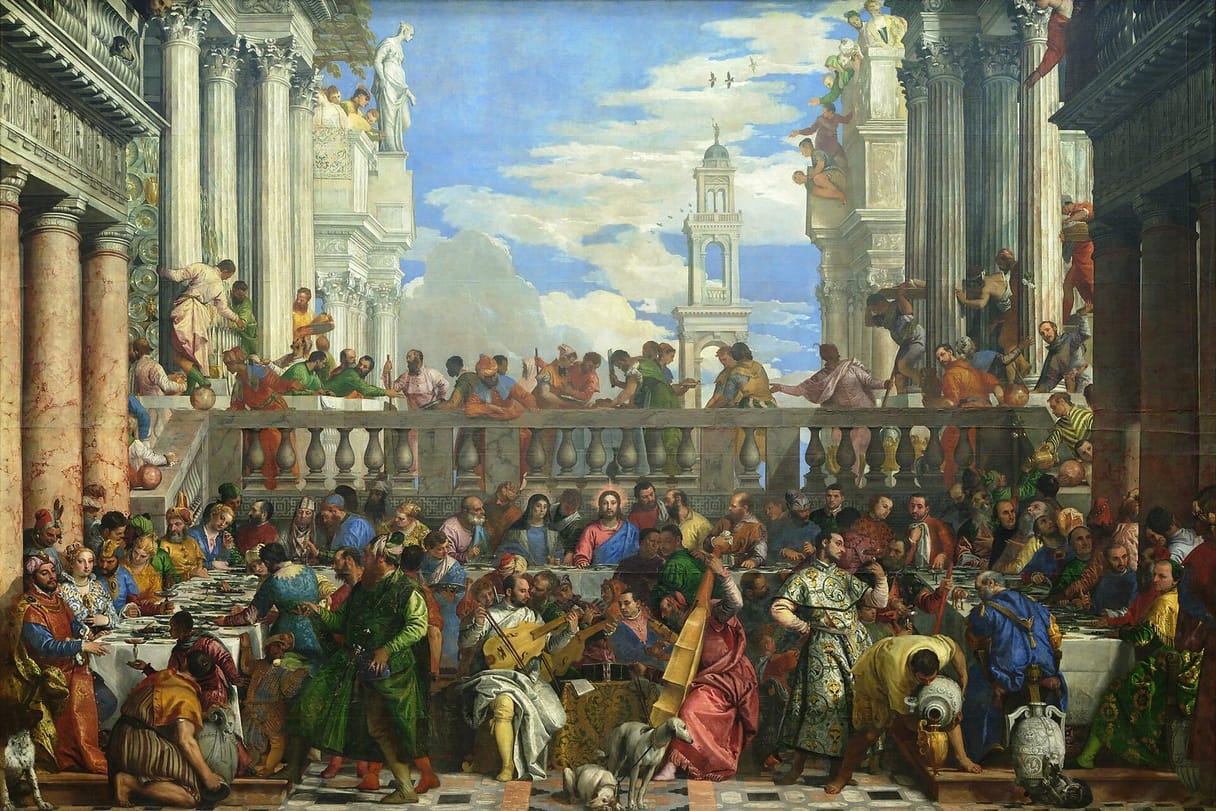
Yes. Jesus’ first sign in John’s Gospel took place at a wedding in Cana of Galilee, where the wine ran out. He told the servants to fill six large stone jars with water, and the water became wine. The steward of the feast called the bridegroom over:
“Everyone serves the good wine first and then the inferior wine after the guests have become drunk. But you have kept the good wine until now.” Jesus did this, the first of his signs, in Cana of Galilee and revealed his glory, and his disciples believed in him.
John 2:10–11, NRSVUE
The steward’s joke about guests who “have become drunk” shows that the wine at Cana was ordinary fermented wine. Christians read the story in different ways, some as a literal miracle and others as a sign pointing to the abundance of God’s kingdom. On every reading, Jesus added to the joy of a wedding by bringing more wine.
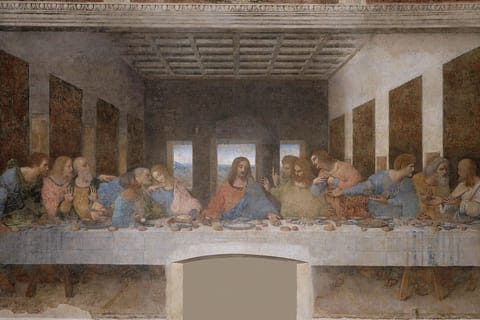
Jesus also contrasted himself with John the Baptist, who drank no wine: “The Son of Man has come eating and drinking, and you say, ‘Behold, a glutton and a drunkard, a friend of tax collectors and sinners!’” (Luke 7:34). At the Last Supper he took a cup, gave thanks, and told his disciples, “All of you drink it” (Matthew 26:27). Most churches still use wine at Holy Communion because Jesus did. For more on that sacrament, see What is Holy Communion?
What does the Bible say about drunkenness?
Scripture is blunt about the damage drunkenness does. “Wine is a mocker and beer is a brawler. Whoever is led astray by them is not wise” (Proverbs 20:1). Proverbs 23 describes a drinker with “needless bruises” and “bloodshot eyes,” who says, “When will I wake up? I can do it again. I will look for more” (Proverbs 23:29–35). That is an ancient and accurate picture of addiction.
The New Testament names drunkenness as a sin:
Do not get drunk with wine, for that is debauchery, but be filled with the Spirit
Ephesians 5:18, NRSVUE
Paul lists “drunkenness, orgies, and things like these” among the “deeds of the flesh” (Galatians 5:19–21). He also rebuked the church in Corinth because at their shared meal “One is hungry, and another is drunken” (1 Corinthians 11:21). Drunkenness is a sin because it gives up the self-control that is a fruit of the Spirit and because it so often hurts other people: a spouse, children, coworkers, or a stranger on the road.
Why do some Christians not drink at all?
Abstaining has deep roots in Scripture. Israelites who took the Nazirite vow gave up wine and strong drink for the length of their vow (Numbers 6:2–4), and the prophet Jeremiah held up the Rechabites, who drank no wine, as an example of faithfulness (Jeremiah 35:5–6). Paul wrote that “It is good to not eat meat, drink wine, nor do anything by which your brother stumbles” (Romans 14:21).
The Methodist movement made restraint part of its discipline. John Wesley’s General Rules for the Methodist societies told members to avoid “drunkenness: buying or selling spirituous liquors, or drinking them, unless in cases of extreme necessity.” In the nineteenth century American Methodists joined the temperance movement. In 1869 Thomas Welch, a dentist and communion steward at the Methodist Episcopal church in Vineland, New Jersey, perfected a way to pasteurize grape juice so that it would not ferment, and he sold it as “Dr. Welch’s Unfermented Wine.” In 1880 the Methodist Episcopal Church directed: “Let none but the pure, unfermented juice of the grape be used in administering the Lord’s Supper, whenever practicable.” United Methodists still use grape juice at Communion.
What do the churches teach?
The ELCA, the Presbyterian Church (U.S.A.), the United Methodist Church, and the Episcopal Church all permit their members to drink in moderation. The United Methodist Book of Resolutions still affirms “abstinence from alcoholic beverages” as “a faithful witness to God’s liberating and redeeming love.” In 2015 the Episcopal Church adopted a policy that church events “must provide a safe and welcoming environment for all people, including people in recovery,” with non-alcoholic drinks offered “with equal prominence and accessibility” whenever alcohol is served.
The Orthodox churches keep an older rhythm of restraint and celebration. Their traditional rule of fasting asks the faithful to give up wine on most weekdays of Lent and the other fasting seasons, and wine returns to the table on Saturdays, Sundays, and feast days.
Drinking with thanksgiving is a Christian freedom, and Scripture’s warnings against drunkenness, which it counts as sin, protect that freedom. Freedom also means looking out for others. If you host a gathering, offer good non-alcoholic drinks. If a friend has stopped drinking, do not press a glass on them.
What if alcohol has become a problem?
Addiction is a disease, and God’s love goes with you into recovery. If you cannot stop drinking, or if drinking is hurting your health, your work, or the people you love, ask for help. SAMHSA’s National Helpline, 1-800-662-HELP (4357), offers free, confidential treatment referrals 24 hours a day. Many churches host Alcoholics Anonymous meetings, and a priest or pastor can walk with you. If you have hurt people while drinking, God’s forgiveness is real, and so is the hard, hopeful work of making amends.
If you are in recovery, you can still receive Holy Communion. Many churches teach that receiving the bread alone is a full reception of the sacrament, so you may receive the bread and let the cup pass, or ask whether your church offers grape juice or non-alcoholic wine.
Whether you drink a glass with friends or have set alcohol aside for good, the same calling holds for you: to receive God’s gifts with thanksgiving and to care for the people around you. Paul gathered it into one sentence: “Whether therefore you eat or drink, or whatever you do, do all to the glory of God” (1 Corinthians 10:31). At the Lord’s table, the one who drinks and the one who abstains receive the same Christ and the same love.
Common questions
Did Jesus drink wine?
Yes. Jesus said that his critics called him “a glutton and a drunkard” because he came “eating and drinking,” unlike John the Baptist, who drank no wine (Luke 7:33–34). At the Last Supper he shared a cup of “this fruit of the vine” with his disciples. The steward at the wedding in Cana remarked that guests usually get the worse wine “after the guests have become drunk,” which shows that the wine Jesus provided was ordinary wine.
Is it a sin to get drunk?
Yes. The Letter to the Ephesians says, “Do not get drunk with wine, for that is debauchery” (Ephesians 5:18), and Paul listed drunkenness among the “deeds of the flesh” in Galatians 5:19–21. Getting drunk harms your judgment, your body, and the people around you. Like every sin, it can be confessed and forgiven.
Can I take Communion if I am in recovery from alcoholism?
Yes. Many churches teach that receiving the bread alone is a full reception of the sacrament, and many offer non-alcoholic wine or, like United Methodist congregations, unfermented grape juice. Speak with your priest or pastor, who can make arrangements quietly.
Why do some churches use grape juice instead of wine?
In 1869 Thomas Welch, a Methodist dentist in Vineland, New Jersey, developed a way to keep grape juice from fermenting so that his church could have an unfermented Communion wine. In 1880 the Methodist Episcopal Church directed that “none but the pure, unfermented juice of the grape” be used whenever practicable. United Methodists still use grape juice, partly out of care for people who struggle with alcohol.
Is it a sin for a Christian to drink beer?
Christians are as free to drink beer as wine. Scripture makes no distinction between kinds of alcoholic drink; Deuteronomy 14:26 even mentions “wine” and “strong drink” as part of a feast before the LORD. The same rules apply to beer, wine, and spirits: drink, if you drink, with moderation and thanksgiving, never to drunkenness, and never in a way that endangers others.
Sources
- Psalm 104:14–15 (WEB)
- John 2:1–11 (WEB)
- Proverbs 20:1 (WEB)
- Ephesians 5:18 (WEB)
- 1 Timothy 5:23 (WEB)
- Romans 14:21 (WEB)
- General Convention 2015-A158, Adopt Policy on Alcohol and Other Substance Misuse
- The General Rules of the Methodist Church (umc.org)
- Methodist History: Communion and Welch’s Grape Juice (umc.org)
- Book of Resolutions: Alcohol and Other Drugs (umc.org)
- Ask The UMC: May United Methodists drink alcohol?
- 1 Corinthians 10:31 (WEB)
- SAMHSA’s National Helpline