The Apocrypha and the Catholic Bible
Catholic Bibles have 73 books because they include seven Old Testament books found in the Septuagint, the Greek Bible of the early church: Tobit, Judith, Wisdom, Sirach, Baruch, and 1 and 2 Maccabees, plus additions to Esther and Daniel. Protestant Bibles follow the shorter Hebrew canon and have 66 books. Anglicans and Lutherans call these books the Apocrypha and read them for instruction, though not to establish doctrine. Orthodox Bibles include them too.
But the souls of the righteous are in the hand of God, and no torment will ever touch them.
Wisdom 3:1, NRSVUE
If you have noticed that a Catholic or Orthodox Bible is thicker than a Protestant one, you may have wondered whether someone added books to Scripture or took them away. The answer is a story about the Bible of the first Christians and about the different ways the churches have honored it. Catholics call the seven extra books in their Old Testament deuterocanonical, meaning “of the second canon,” because they were accepted into the list of Scripture later and with more debate than the others. Protestants usually call them the Apocrypha, from a Greek word meaning “hidden.”
Where did the extra books come from?
All of these books are Jewish writings from roughly the last three centuries before Christ and the first century after. Some were written in Hebrew or Aramaic and some in Greek. They were preserved in the Septuagint, the Greek translation of the Jewish Scriptures begun in the third century BCE for Greek-speaking Jews.
The prologue to Sirach gives a window onto that world. The author’s grandson explains that he translated his grandfather’s Hebrew book into Greek in Egypt, and he asks readers to be patient with him:
For what was originally expressed in Hebrew does not have exactly the same effect when translated into another language.
Sirach, Prologue, NRSVUE
The first Christians spoke Greek, and the Septuagint became their Old Testament. The deuterocanonical books came into the church with it. Councils at Hippo (393) and Carthage (397), in North Africa, listed them among the books of Scripture.
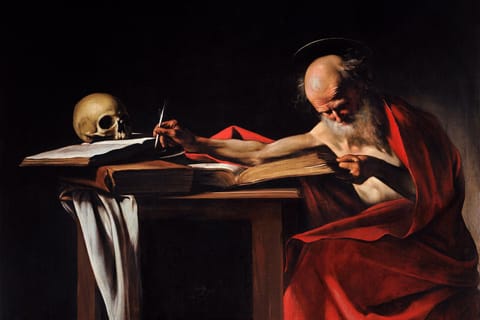
The Jewish community eventually settled on a shorter list of books in Hebrew, which became the Hebrew Bible. Some early Christian scholars noticed the difference. Jerome, who translated the Bible into Latin around 400 CE, held that only the books of the Hebrew canon should be used to establish doctrine, though he also translated some of the others, such as Tobit and Judith.
Why did Protestants set these books aside?
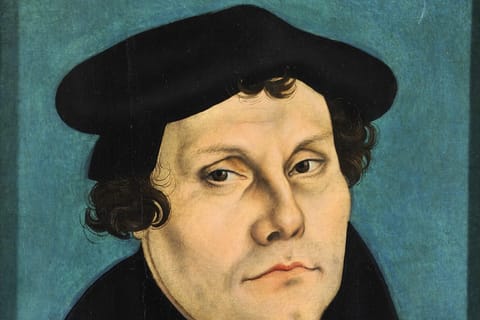
At the Reformation, Protestant reformers wanted the Old Testament to match the Hebrew Bible, the Scriptures of Jesus’s own people. Martin Luther’s German Bible of 1534 kept the deuterocanonical books and moved them into a separate section between the Old and New Testaments, under the heading Apocrypha.
The reformers also had a theological concern. One passage in 2 Maccabees describes Judas Maccabeus taking up a collection so that a sacrifice could be offered for fallen soldiers: “he made the atoning sacrifice for those who had died, that they might be released from their sin” (2 Maccabees 12:43–45). The passage had long been cited in support of prayers for the dead and the doctrine of purgatory, which the reformers rejected. See Is purgatory in the Bible?
The Catholic Church answered at the Council of Trent. On April 8, 1546, the council issued a decree listing the books of Scripture, including the deuterocanonical books, as fully canonical. That decision settled the Catholic list that Catholic Bibles still follow. For the wider differences between the traditions, see What is the difference between Catholics and Protestants?
What do Anglicans, Lutherans, and other Protestants believe about the Apocrypha?
The Church of England took a middle way that Anglican churches around the world still follow. Article VI of the Thirty-Nine Articles lists the Hebrew books as canonical and then names the others, quoting Jerome:
And the other Books (as Hierome saith) the Church doth read for example of life and instruction of manners; but yet doth it not apply them to establish any doctrine.
Anglicans read the Apocrypha in church and learn from it, and they do not use it alone to prove a doctrine. (“Hierome” is an old English spelling of Jerome.) Lutherans have held much the same view since Luther, whose Bible introduced these books as useful and good to read, though not equal to Holy Scripture.
The Reformed tradition was stricter. The Westminster Confession of 1646, part of the Presbyterian Church (U.S.A.)’s Book of Confessions, says the Apocrypha is “no part of the canon of the Scripture” and is to be used no differently “than other human writings.” Today the Revised Common Lectionary, the cycle of Sunday readings followed by many Lutheran, Presbyterian, Methodist, and Episcopal congregations, offers some readings from Wisdom, Sirach, and Baruch as alternatives.
One of these texts is sung by Christians East and West. The Song of the Three Young Men, from the Greek additions to Daniel, is sung in Anglican morning prayer as the Benedicite (“A Song of Creation”), and in Orthodox morning prayer it is the eighth of the biblical odes. For how Anglicans and Catholics differ more broadly, see What is the difference between Episcopal and Catholic?
What is in the deuterocanonical books?
These books are worth reading, whatever your tradition, and many Christians have found comfort in them.
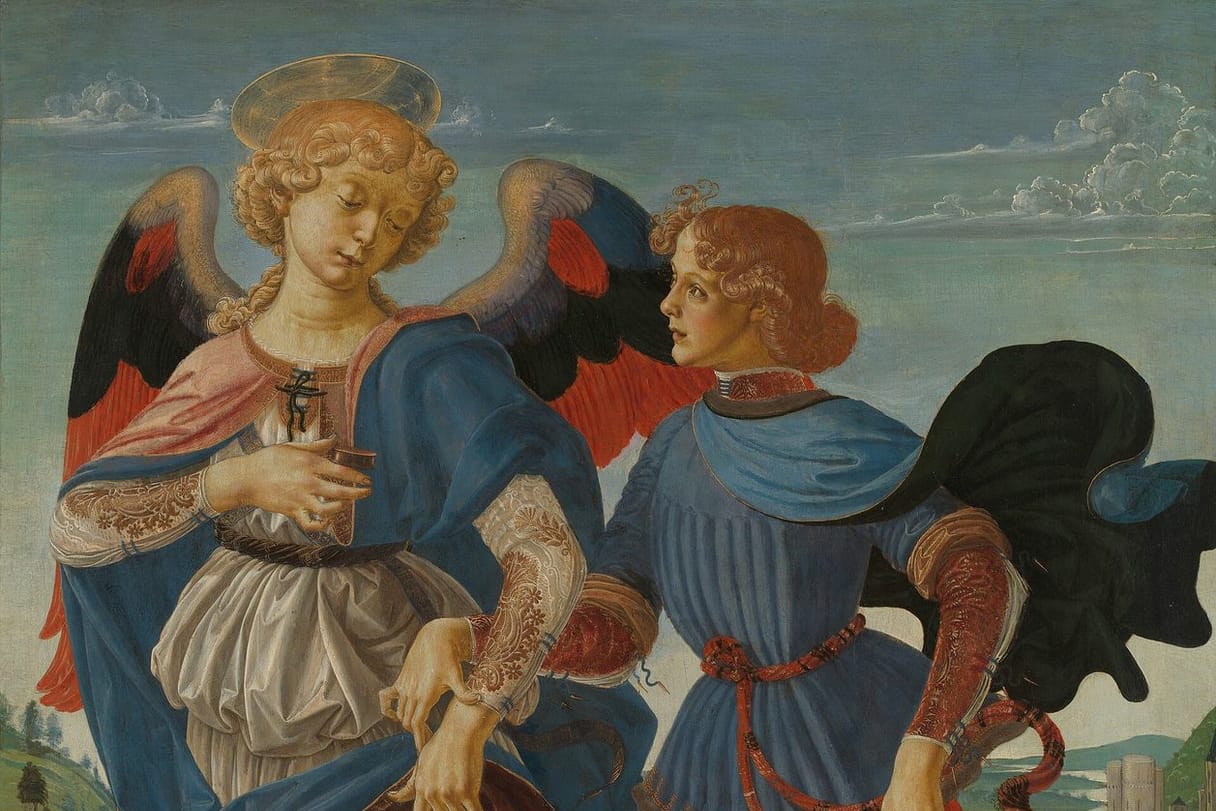
- Tobit is a story of a faithful Jewish family in exile, a son sent on a long trip, and the angel Raphael who guides him.
- Judith tells of a widow who saves her people from an Assyrian general.
- Wisdom is a meditation on justice, immortality, and divine wisdom. It contains one of the Bible’s most consoling lines: “But the souls of the righteous are in the hand of God, and no torment will ever touch them” (Wisdom 3:1).
- Sirach is a long book of practical and spiritual wisdom, much like Proverbs.
- Baruch is a prayer of confession and hope attributed to Jeremiah’s scribe.
- 1 and 2 Maccabees tell of the Jewish revolt against the Syrian king Antiochus IV in the second century BCE. First Maccabees describes the rededication of the Temple and the decision that the days of dedication should be observed “for eight days,” the origin of Hanukkah (1 Maccabees 4:52–59).
Do Orthodox Christians have even more books?
The Eastern Orthodox churches accept the seven deuterocanonical books and also include a few others, such as 1 Esdras, 3 Maccabees, the Prayer of Manasseh, and Psalm 151. Because the Orthodox Old Testament is the Septuagint, the Greek Bible of the early church, these books came to the Orthodox churches with it, and many Orthodox theologians call them the anagignoskomena, Greek for “the books that are read.” They are read in worship and treasured; some Orthodox writers rank them below the books of the Hebrew canon, while others treat them as fully part of Scripture. The Ethiopian Orthodox Church has a still larger Bible, which includes the Book of Enoch.
The differences among Christian Bibles are real, and they lie at the edges. Catholics, Orthodox, Anglicans, and Protestants share the same 27 books of the New Testament and the same core of the Old. For more on how the Bible came together, see Who wrote the Bible? and Which Bible translation is best?
Whatever place a church gives these books, they belong to the inheritance of the whole Christian family. The Wisdom of Solomon prays to a God whose love reaches everything he has made:
For you love all things that are, and abhor none of the things which you made; For you never would have formed anything if you hated it. … But you spare all things, because they are yours, O Sovereign Lord, you who love the living.
Common questions
Did Protestants remove books from the Bible?
Not exactly. Luther's 1534 German Bible kept these books and placed them in a separate section between the Old and New Testaments, under the heading Apocrypha. Many later Protestant Bibles, especially in the nineteenth century, left that section out entirely. Anglican and Lutheran Bibles still often include it.
Is the Book of Enoch in the Catholic Bible?
The Book of Enoch is not in Catholic or Protestant Bibles, though the Letter of Jude quotes a prophecy attributed to Enoch (Jude 14). The Ethiopian Orthodox Church includes Enoch in its Bible.
Do Protestant churches use the Apocrypha?
Some do. Anglicans and Lutherans read these books for instruction, though not to establish doctrine, and the Revised Common Lectionary, which many mainline churches follow, offers some Sunday readings from Wisdom, Sirach, and Baruch. The Westminster Confession, a Presbyterian standard, gives them no more authority than other human writings.
Do Orthodox Bibles have even more books?
Yes. Eastern Orthodox Bibles include the seven deuterocanonical books and add a few more, such as 1 Esdras, 3 Maccabees, the Prayer of Manasseh, and Psalm 151. The exact list varies among the Orthodox churches.
Sources
- Sirach, Prologue (WEB)
- 2 Maccabees 12:43–45 (WEB)
- 1 Maccabees 4:52–59 (WEB)
- Wisdom 3:1 (WEB)
- Wisdom 11:24–26 (WEB)
- Jude 14 (WEB)
- The Thirty-Nine Articles of Religion, Article VI
- Westminster Confession of Faith 1.3, in PC(USA), The Book of Confessions (2016)
- Deuterocanonical books (Wikipedia)
- Luther's canon (Wikipedia)
- Council of Trent (Wikipedia)
- Septuagint (Wikipedia)