Apophatic theology and the mystery of God
Apophatic theology is the Christian way of speaking about God by saying what God is not, because God surpasses every word, image, and idea. The name comes from the Greek apophasis, “denial.” Its teachers, from Gregory of Nyssa and Dionysius the Areopagite to the Orthodox Church today, use it to clear away false pictures of God and to lead the believer into prayer, wonder, and love beyond words.
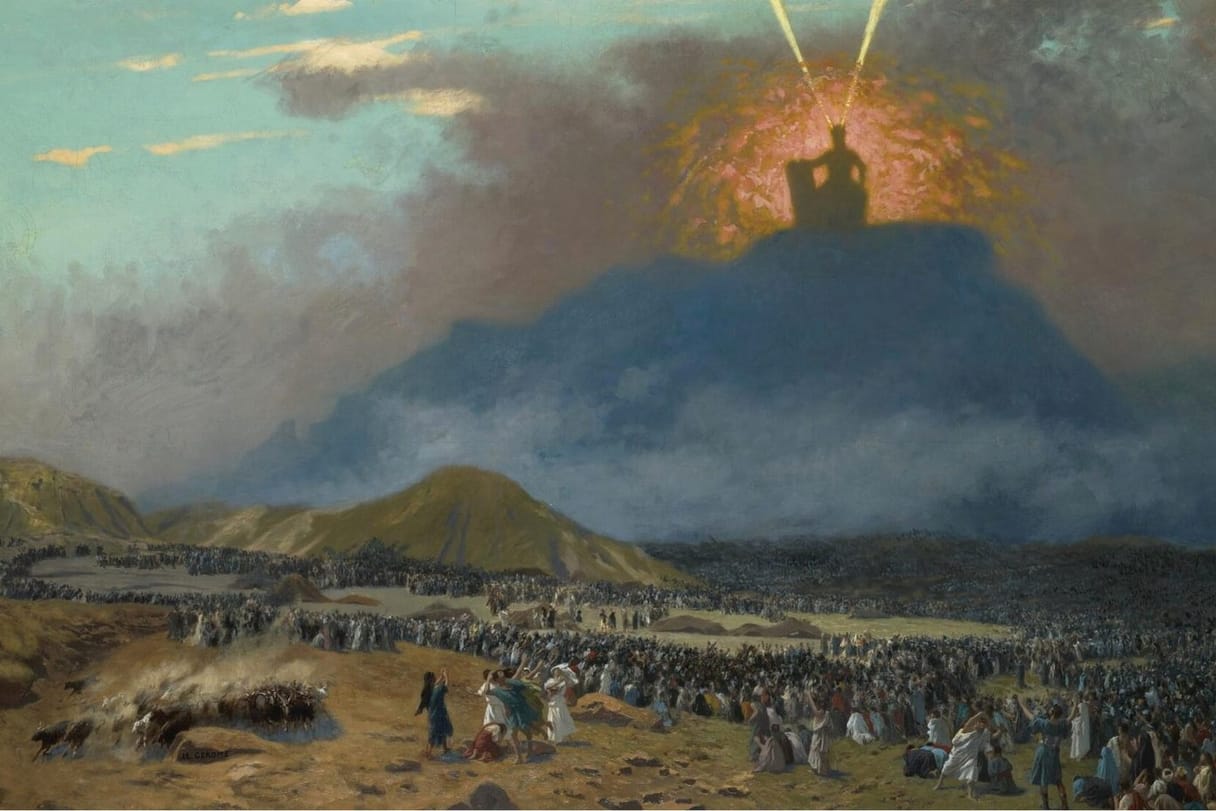
The people stayed at a distance, and Moses came near to the thick darkness where God was.
Apophatic theology is the Christian practice of speaking about God by saying what God is not, because God is greater than every word, image, and idea we have. If the pictures of God you grew up with have started to feel too small, the church’s oldest teachers would say you have reached the edge of something holy, which they called the darkness of God and found full of light. Apophatic theology belongs to the wider tradition of Christian mysticism (see what is Christian mysticism?).
What does apophatic mean?
The word comes from the Greek apophasis, “denial” or “saying no.” Its partner is cataphatic theology, from kataphasis, “affirmation,” the way of saying yes. Christians speak of God both ways. Scripture calls God shepherd, rock, light, and Father, and apophatic theology adds that each of these words falls short of God. God is good, and beyond goodness as we know it; God is light, and beyond any light our eyes have seen. The Latin name for this path is the via negativa, “the way of negation.”
John of Damascus, an eighth-century monk near Jerusalem, put it in one sentence: “God then is infinite and incomprehensible and all that is comprehensible about Him is His infinity and incomprehensibility.” By “incomprehensible” he meant beyond the grasp of any created mind.
Where does the Bible speak of God in darkness?
The clearest picture comes at Mount Sinai. When God gave the Ten Commandments, the frightened people kept back, and Moses went forward into the cloud:
The people stayed at a distance, and Moses came near to the thick darkness where God was.
Moses later reminded Israel that at Sinai “you heard the voice of words, but you saw no form; you only heard a voice” (Deuteronomy 4:12). First Timothy praises the God “dwelling in unapproachable light, whom no man has seen nor can see” (1 Timothy 6:16).
The New Testament holds this mystery together with its answer. “No one has seen God at any time,” John’s Gospel says. “The only born Son, who is in the bosom of the Father, has declared him” (John 1:18). The apophatic teachers saw in Jesus the place where the unseeable God comes near (see what does God look like?).
What did Gregory of Nyssa and Dionysius teach?
Gregory of Nyssa, a fourth-century bishop in Cappadocia (now central Turkey), wrote a Life of Moses that reads the Exodus as the story of a soul growing toward God. Moses first met God in the light of the burning bush and later climbed into the darkness of Sinai, and Gregory saw in that order the pattern of every life with God: the closer a person comes, the more clearly they see that God surpasses all knowing. He called the place Moses entered a “luminous darkness.” Because God is infinite, Gregory taught, the soul’s growth into God never ends, and even heaven will be an endless discovery of more of God.
Around the year 500 a writer, probably a Syrian monk, composed a short treatise called The Mystical Theology under the name of Dionysius the Areopagite, the Athenian whom Paul converted (Acts 17:34). He compared the way of negation to a sculptor who chips away marble until the hidden statue appears. His second chapter opens with a prayer: “Unto this Darkness which is beyond Light we pray that we may come” (C. E. Rolt’s translation, 1920).
Teachers in the West said the same. Augustine told his congregation in North Africa, “For if you comprehend, He is not God” (Sermon 117). The anonymous fourteenth-century English author of The Cloud of Unknowing taught that God can be reached by love and never by thought alone: “By love may He be gotten and holden; but by thought never.”
Why does the Orthodox Church value apophatic theology?
The Orthodox churches of the East have kept the apophatic way at the center of their worship. Vladimir Lossky, a Russian Orthodox theologian in Paris, argued in The Mystical Theology of the Eastern Church (1944) that this sense of God’s mystery marks the whole Eastern tradition. In the Divine Liturgy of St. John Chrysostom, celebrated on most Sundays, the priest’s great prayer over the bread and wine addresses God as “ineffable, inconceivable, invisible, incomprehensible” (in the Greek Orthodox Archdiocese of America’s translation). The apophatic way leads straight to the altar, where the God beyond all words gives himself in Holy Communion.
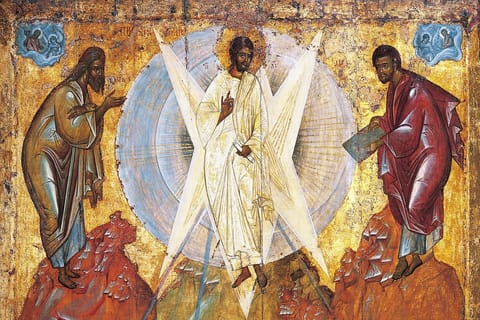
Gregory Palamas, a monk of Mount Athos who became archbishop of Thessalonica in the fourteenth century, gave this teaching its classic Orthodox form. He distinguished God’s essence, what God is in himself, which no creature can know or share, from God’s energies, God’s own life, grace, and light reaching out to us. God remains beyond us in his essence and truly gives himself to us in his energies. The Orthodox call that gift theosis, the believer’s growing union with God (see what is theosis?). His fellow monks, who prayed the Jesus Prayer, spoke of seeing the uncreated light that shone from Christ at the Transfiguration.
The Philokalia, the Orthodox collection of writings on prayer, adds a caution. Evagrius of Pontus, a fourth-century desert monk, advised that when you pray you should form no image of God in your mind, and Orthodox elders warn that mistaking your own imaginings for God leads to prelest, spiritual delusion. The apophatic way protects a praying person from worshiping an idea of God in place of God.
Does apophatic theology mean we cannot know God?
Some Christians worry that so much talk of mystery slides into agnosticism, the view that nothing can be known about God. The apophatic teachers spoke of mystery because God has made himself known in the law and the prophets, in Jesus Christ, and in the love “poured into our hearts through the Holy Spirit” (Romans 5:5). Saying no to every idol makes room for the living God. The First Letter of John gives the apophatic way its warmest form:
No one has seen God at any time. If we love one another, God remains in us, and his love has been perfected in us.
In the same sermon Augustine said, “Would you comprehend the height of God? First comprehend the lowliness of God.” The God no one has seen comes near in a manger and on a cross, where Christ “emptied himself, taking the form of a servant” (Philippians 2:7). Christians call this self-emptying kenosis, and the apophatic teachers found God most fully revealed there, in humility and love.
Mainline congregations sing this theology. The Scottish minister Walter Chalmers Smith wrote “Immortal, invisible, God only wise” in 1867 from 1 Timothy 1:17, and the hymnals of the United Methodist Church, the ELCA, the PC(USA), and the Episcopal Church all print it. Its opening lines praise the God who dwells “in light inaccessible hid from our eyes.”
How can I pray in the apophatic way?
You can begin this week with fifteen minutes a day:
- Start with a name of God. Choose one from Scripture, such as Shepherd, Light, or Rock, and give thanks for it.
- Let the name open into silence. Say inwardly, “and more than this,” and rest before God for five minutes (see contemplative prayer). When pictures of God arise, set them down gently and stay.
- Use one short prayer. If your mind races, pray the Jesus Prayer slowly: “Lord Jesus Christ, Son of God, have mercy on me, a sinner” (see hesychasm and the Jesus Prayer).
- Read one verse in the dark. At night, read Exodus 20:21 or Psalm 139:6, turn off the light, and “let your words be few” (Ecclesiastes 5:2).
- Stay rooted. Keep going to worship and Holy Communion, keep serving your neighbor, and talk about your prayer with a pastor or a spiritual director (see what is spiritual direction?).
Silence can stir up old pain or anxiety. If it does, shorten the silence, pray with words for a while, and talk with someone you trust; the tradition has always given beginners a guide.
The God beyond every word is close at hand; Paul told the Athenians that God “is not far from each one of us” (Acts 17:27). When your words run out, you stand where Moses stood, at the edge of the cloud where God was. “Now to the King eternal, immortal, invisible, to God who alone is wise, be honor and glory forever and ever. Amen” (1 Timothy 1:17).
Common questions
What is the difference between apophatic and cataphatic theology?
Cataphatic theology speaks of God by affirmation, using the names Scripture gives, such as light, shepherd, and Father. Apophatic theology speaks of God by negation, confessing that each of those names falls short of who God is. Christian teachers use both together: the affirmations tell the truth about God, and the negations keep them from shrinking God to the size of our ideas.
What is the via negativa?
Via negativa is Latin for “the way of negation,” another name for apophatic theology. It approaches God by setting aside every idea and image that is less than God. Dionysius the Areopagite compared it to a sculptor who chips away marble until the hidden statue appears.
Is apophatic theology the same as agnosticism?
Apophatic theology begins from faith in the God who has spoken in Scripture and in Jesus Christ. Agnosticism holds that nothing can be known about God. The apophatic teachers believed God is truly known, especially through love and prayer, while confessing that God is always greater than what any mind can hold.
Who wrote The Cloud of Unknowing?
The Cloud of Unknowing was written by an anonymous English author in the late fourteenth century as a guide to contemplative prayer for a younger friend. It teaches that God is beyond the reach of thought and near to love. Centering prayer, developed in the 1970s, grew partly from its teaching.
What is the essence-energies distinction?
Gregory Palamas, a fourteenth-century Orthodox monk and archbishop of Thessalonica, taught that God’s essence, what God is in himself, is beyond the knowledge of any creature. God’s energies, his own life, grace, and light, reach out to us and are truly shared with us. The Orthodox churches teach that this is how human beings can be united with God while God remains God.
Sources
- Exodus 20:21 (WEB)
- Deuteronomy 4:11–12 (WEB)
- 1 Timothy 6:16 (WEB)
- John 1:18 (WEB)
- 1 John 4:12 (WEB)
- John of Damascus, An Exact Exposition of the Orthodox Faith, Book I, chapter 4 (New Advent)
- Dionysius the Areopagite, The Mystical Theology, trans. C. E. Rolt (1920) (CCEL)
- Augustine, Sermon 67 on the New Testament (Sermon 117) (New Advent)
- The Cloud of Unknowing, ed. Evelyn Underhill (1922) (CCEL)
- The Divine Liturgy of Saint John Chrysostom (Greek Orthodox Archdiocese of America)
- Immortal, Invisible, God Only Wise (Hymnary.org)
- Gregory of Nyssa, The Life of Moses
- Vladimir Lossky, The Mystical Theology of the Eastern Church (1944)