LGBTQ+ pastors and priests
LGBTQ+ Christians serve as pastors, priests, and bishops in the major mainline churches. The United Church of Christ ordained William R. Johnson, an openly gay man, in 1972. The Episcopal Church consecrated its first openly gay bishop in 2003, the ELCA opened its ministry to pastors in same-sex relationships in 2009, the PC(USA) changed its ordination standards in 2011, and the United Methodist Church removed its ban on gay clergy in 2024.
For man looks at the outward appearance, but the LORD looks at the heart.
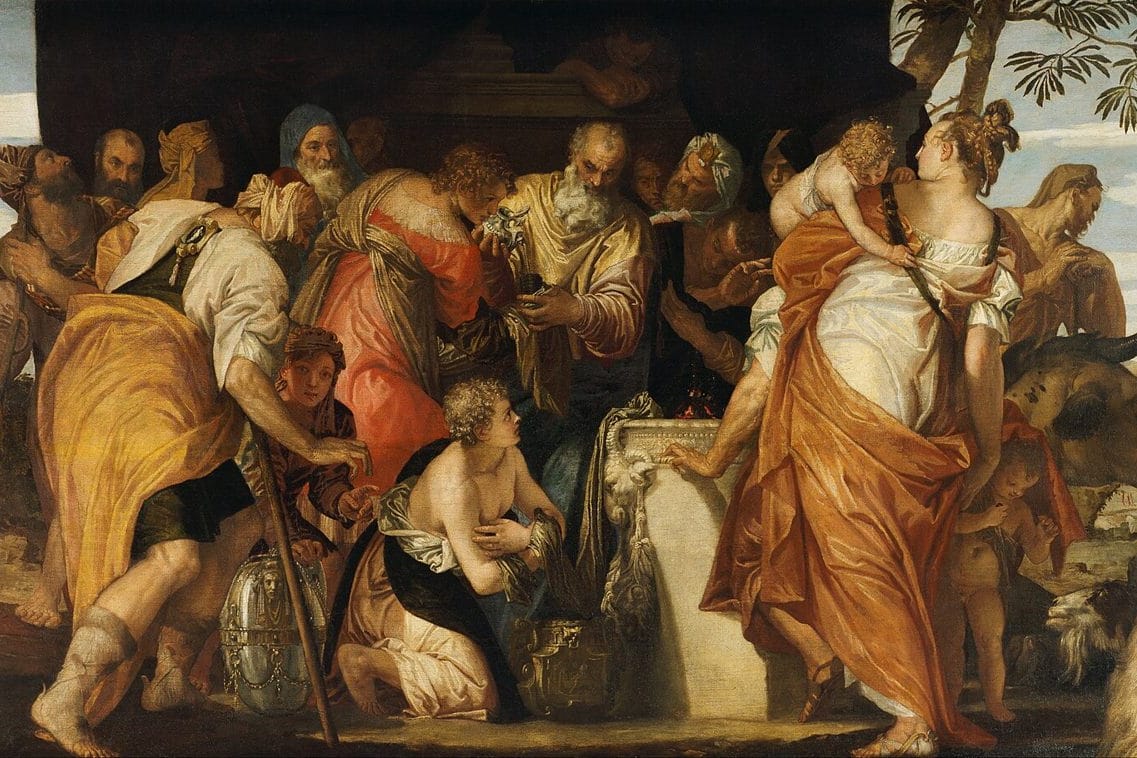
LGBTQ+ Christians serve as pastors, priests, and bishops in the major mainline churches. If you are gay, lesbian, bisexual, or transgender and you feel God drawing you toward ministry, you stand in a long line of people whom God called in ways others did not expect. When the prophet Samuel went to Bethlehem to anoint a king, he looked first at the tallest of Jesse’s sons, and God corrected him:
But the LORD said to Samuel, “Don’t look on his face, or on the height of his stature, because I have rejected him; for I don’t see as man sees. For man looks at the outward appearance, but the LORD looks at the heart.”
God chose David, the youngest, who was out in the fields keeping the sheep (1 Samuel 16:11–13).
What do the mainline churches teach about LGBTQ+ clergy?
The Evangelical Lutheran Church in America (ELCA), the Presbyterian Church (U.S.A.), the United Methodist Church, the Episcopal Church, and the United Church of Christ all ordain gay and lesbian Christians, including those in faithful same-sex relationships. They reached their decisions at different times, after years of prayer, study, and debate.
The United Church of Christ was first. On June 25, 1972, its Golden Gate Association in Northern California ordained William R. Johnson, the first openly gay man ordained to ministry in a historic Christian church.
In 2003 the Episcopal Church consecrated Gene Robinson, a gay priest in a committed relationship, as Bishop of New Hampshire. In 2009 its General Convention affirmed that God “has called and may call” gay and lesbian people in lifelong committed relationships “to any ordained ministry.” Since 2012 its canons have forbidden denying anyone access to the process for ordination because of gender identity and expression.
At its Churchwide Assembly in Minneapolis in August 2009, the ELCA voted 559 to 451 to find a way for people in “publicly accountable, lifelong, monogamous, same-gender relationships” to serve as its pastors and other rostered ministers.
In 2011 the presbyteries of the PC(USA) ratified Amendment 10-A, which took effect on July 10 of that year. It removed the rule that ministers, elders, and deacons live in “fidelity within the covenant of marriage between a man and a woman or chastity in singleness.” The new standard asks every officer to “submit joyfully to the Lordship of Jesus Christ in all aspects of life,” and it directs the bodies that ordain to examine “each candidate’s calling, gifts, preparation, and suitability for the responsibilities of office.” In 2025 the presbyteries added sexual orientation and gender identity to the part of the constitution that rules out discrimination in the church’s life.
On May 1, 2024, the General Conference of the United Methodist Church, meeting in Charlotte, North Carolina, voted 692 to 51 to remove the ban, in place since 1984, on ordaining “self-avowed practicing homosexuals.” For the churches’ teaching on marriage, see what the mainline churches believe about same-sex marriage and same-sex marriage in the church.
How does God call someone to ministry?
In the mainline churches a call to ordained ministry is tested in the same way for everyone. A person senses God’s call, and the church listens with them over months or years. Congregations, committees, and bishops or presbyteries ask about faith, character, gifts, and readiness, and the candidate studies Scripture, theology, and pastoral care, usually at seminary. The church ordains only when it believes God has called the person and given them gifts for the work.
Scripture is full of surprising calls. God called Samuel as a boy sleeping in the temple, and he answered, “Speak; for your servant hears” (1 Samuel 3:10). God called Moses, who protested that he was slow of speech (Exodus 4:10), and Jeremiah, who protested that he was too young (Jeremiah 1:6). In each story the call came from God, and the people around them learned to recognize it.
What does baptism have to do with ordination?
Every Christian ministry grows from baptism. Paul writes that in baptism the old divisions of the world lose their power to rank people before God:
For as many of you as were baptized into Christ have put on Christ. There is neither Jew nor Greek, there is neither slave nor free man, there is neither male nor female; for you are all one in Christ Jesus.
The first Christians learned this lesson when the Holy Spirit fell on people they had expected God to keep at a distance. Peter, called to the house of Cornelius, a Roman centurion, found the Spirit already at work there and said:
Truly I perceive that God doesn’t show favoritism; but in every nation he who fears him and works righteousness is acceptable to him.
Peter then asked, “Can anyone forbid these people from being baptized with water? They have received the Holy Spirit just like us” (Acts 10:47). Many mainline Christians have reasoned in a similar way. They have seen the Spirit’s gifts in gay, lesbian, bisexual, and transgender Christians, and their churches have concluded that those gifts should be recognized in ordination as anyone else’s are. Galatians 3:28 was also often cited, decades earlier, in the case for ordaining women (see women as priests, pastors, and bishops).
What gifts do LGBTQ+ clergy bring to the church?
LGBTQ+ pastors bring the gifts the Spirit gives to every minister: preaching the gospel, celebrating the sacraments, teaching the faith, and caring for the sick, the grieving, and the dying. “As each has received a gift, employ it in serving one another, as good managers of the grace of God in its various forms” (1 Peter 4:10).
Some also bring their own experience of having been turned away by a church and welcomed by Christ, which can make them tender pastors to anyone who has felt like an outsider. For many gay and transgender Christians, a pastor who shares their story is a living sign that God’s love includes them too. See gay, lesbian, and bisexual Christians and transgender Christians.
What about churches that do not ordain LGBTQ+ people?
Most of the world’s Christians belong to churches that do not ordain people in same-sex relationships, and some congregations have left the mainline churches over these decisions, including those that formed the Global Methodist Church in 2022. These Christians read Scripture’s teaching on marriage and sexuality differently, and they hold their convictions in good faith. The mainline churches have tried to make room for disagreement. When the ELCA made its decision in 2009, ELCA bishops assured congregations that nothing in it required any congregation to change its current practice.
If you sense a call, speak with your pastor and pray with others who know you well. God, who looked past Jesse’s older sons to find David in the fields, sees your heart. The church’s part is to listen with you, and yours is to answer as Samuel did: “Speak; for your servant hears.”
Common questions
Which churches ordain gay and lesbian pastors?
The Evangelical Lutheran Church in America, the Presbyterian Church (U.S.A.), the United Methodist Church, the Episcopal Church, and the United Church of Christ all ordain gay and lesbian Christians, including those in faithful same-sex relationships.
Can transgender people be ordained?
Since 2012 the Episcopal Church’s canons have forbidden denying anyone access to the process for ordination because of gender identity and expression, and in 2025 the PC(USA) added gender identity to the part of its constitution that rules out discrimination. Transgender Christians have served as clergy in several mainline churches. Each candidate goes through the same discernment and training as every other.
Do gay pastors have to be celibate?
In the mainline churches that ordain them, gay and lesbian pastors are held to the same standards as other clergy. The ELCA asks that a pastor’s same-gender relationship be publicly accountable, lifelong, and monogamous, and the PC(USA) asks all its officers to “submit joyfully to the Lordship of Jesus Christ in all aspects of life.” Those standards call for faithfulness, and they apply to married and single clergy alike.
Can a congregation decline to call a gay pastor?
Yes. In the ELCA and the PC(USA), congregations take part in calling their own pastors, and ELCA bishops assured congregations in 2009 that nothing in that year’s decisions required any congregation to change its current practice. Mainline churches have tried to make room for members and congregations who disagree in good conscience.
Sources
- 1 Samuel 16:1–13 (WEB)
- Galatians 3:27–28 (WEB)
- Acts 10:34–48 (WEB)
- 1 Peter 4:10 (WEB)
- Bill Johnson 50th ordination anniversary (Southern California Nevada Conference, UCC, 2022)
- Gene Robinson (Wikipedia)
- Episcopal General Convention Resolution 2009-D025
- Episcopal General Convention Resolution 2012-D002, Amend Canon III.1.2
- ELCA Churchwide Assembly actions on ministry policies (ELCA, 2009)
- PC(USA) approves change in ordination standards (2011)
- PC(USA) adds sexual orientation and gender identity to its constitution (Christian Century, 2025)
- 40-year ban on gay clergy struck down (UM News via Northern Illinois Conference, 2024)